
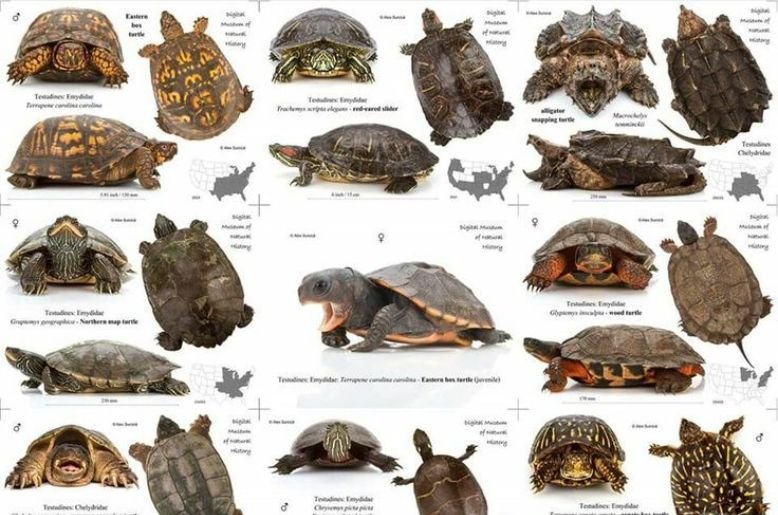
Turtles are fascinating reptiles that can make excellent pets. They are known for their long lifespans and unique personalities. Choosing the right turtle is a big decision. Different types of pet turtles have very different needs. Some are small and easy to care for, while others grow large and require a lot of space. This guide will help you learn about some of the most popular options.
We will look at 10 popular types of pet turtles that people keep at home. For each one, we will cover their size, temperament, and basic care needs. This information will help you make an informed choice. Finding the perfect turtle for your lifestyle is the first step to a rewarding experience as a pet owner.
1. Red Eared Slider
Red Eared Sliders are the most common type of pet turtle in the world. They are easily recognized by the red stripe on the sides of their head. These turtles are very active and can be fun to watch.
They start small but can grow up to 12 inches long. This means they need a large tank as adults, often 75 gallons or more. Red Eared Sliders are semi-aquatic. They need a habitat with both water for swimming and a dry area for basking. A proper diet includes commercial turtle pellets, leafy greens, and insects. They are known for being personable but require consistent care to stay healthy.
2. Painted Turtle
Painted Turtles are beautiful animals native to North America. They get their name from the colorful markings on their shell and bodies. There are four subspecies: Eastern, Midland, Western, and Southern. Their appearance varies slightly, but all are striking.
These turtles are smaller than sliders, usually growing to between 5 and 10 inches. This makes their housing requirements more manageable. They still need a good-sized aquarium with a basking spot, clean water, and proper lighting. Painted Turtles are pretty active and enjoy swimming. They are generally shy but can become used to their owners over time.
3. Box Turtle
Box Turtles are a popular choice because they are land-based. This makes their habitat setup different from aquatic turtles. They get their name from their hinged shell, which allows them to close up completely for protection. Common species include the Eastern Box Turtle and the Ornate Box Turtle.
These turtles need an outdoor enclosure if possible, or a large indoor “turtle table.” They need a substrate they can burrow into, a shallow water dish, and places to hide. Their diet consists of insects, worms, fruits, and vegetables. Box turtles can live for over 50 years, so they are a very long-term commitment.
4. Musk Turtle
Musk Turtles, also known as Stinkpots, are great for beginners. They are one of the smaller types of pet turtles. Most only grow to about 4 or 5 inches long. Their small size means they can live comfortably in a smaller tank, like a 20 or 30-gallon aquarium.
These turtles are fully aquatic and spend most of their time at the bottom of the tank. They are not strong swimmers, so they prefer shallower water. Musk Turtles get their nickname from the musky odor they can release when scared, but they rarely do this in captivity. They are curious little turtles and can be very entertaining to watch.
5. Reeve’s Turtle
Reeve’s Turtles are another excellent choice for new turtle owners. They are small, hardy, and have a calm temperament. They typically grow to about 6 inches, making them a manageable size for most homes. Their shells are usually brown or black and may have three distinct ridges running down the length.
These semi-aquatic turtles need a setup with both water and a basking area. They are not demanding and tend to be quite friendly. Reeve’s Turtles are known to become very comfortable with their owners and may even swim up to greet them. Their diet should include a mix of pellets, vegetables, and protein like worms or insects.
6. Mississippi Map Turtle
Mississippi Map Turtles are named for the map-like lines on their shells. They are active and engaging pets, but they have specific care needs. These turtles are strong swimmers and require a large aquarium with powerful filtration to keep the water clean.
Males stay smaller, around 5 inches, but females can grow up to 10 inches. They are pretty shy and can be easily stressed by too much handling. It is best to enjoy watching them from outside their tank. Their diet mainly consists of commercial turtle food, but they also eat insects and some plants.
7. African Sideneck Turtle
African Sideneck Turtles are unique because they cannot pull their heads straight back into their shells. Instead, they tuck their head to the side for protection. This characteristic, along with their “smiling” faces, makes them very endearing.
They grow to a medium size of about 8 to 12 inches. As fully aquatic turtles, they need a large tank with plenty of swimming space. African Sidenecks are social animals and can sometimes be housed with other Sidenecks of similar size. They are active and fun to watch, and their care is relatively straightforward for an aquatic species.
8. Eastern Box Turtle
The Eastern Box Turtle is a specific and very popular type of box turtle. They are known for their high domed shells with bright yellow and orange markings. As a land turtle, they require a terrestrial habitat. A secure outdoor pen is the best option, as it allows them to experience natural sunlight and forage.
If kept indoors, they need a large enclosure with a deep, moist substrate for burrowing. They also need UVB lighting to stay healthy. Eastern Box Turtles are omnivores, enjoying a varied diet. They are intelligent and curious, but they do not like to be handled too much. Their populations are declining in the wild, so only purchase captive bred individuals.
9. Spotted Turtle
The Spotted Turtle is a small, attractive species native to the eastern United States. They are named for the bright yellow spots that cover their dark shells. These turtles only reach about 5 inches in length, making them suitable for smaller indoor setups.
They are semi-aquatic and need a habitat that provides both land and water. A shallow water area is best, as they are not powerful swimmers. Spotted Turtles can be shy, but they are also active and engaging to observe. Due to their protected status in many areas, it is crucial to buy them from a reputable breeder who can verify they are captive-bred.
10. Cumberland Slider
The Cumberland Slider is a subspecies of the Red Eared Slider. They look very similar but lack the prominent red stripe. Instead, they have thinner yellow stripes on their head and necks. Their care needs are almost identical to those of the Red Eared Slider.
They are active, semi-aquatic turtles that require a large tank with a basking dock. They grow to a similar size, up to 12 inches, and are also a long-term commitment. Cumberland Sliders are a good alternative for people who like the personality of sliders but want a slightly different look. They are hardy pets when their housing and dietary needs are met.
Frequently Asked Questions
1. What is a good beginner turtle?
Musk Turtles (Stinkpots) and Reeve’s Turtles are excellent choices for beginners due to their small size and manageable care requirements.
2. What are the main types of pet turtles?
Pet turtles are generally grouped into two categories: aquatic turtles that live primarily in water, and terrestrial (land) turtles like box turtles.
3. Do pet turtles need a lot of space?
Yes, most turtles, even small ones, require a spacious habitat. Large species like Red Eared Sliders need tanks of 75 gallons or more as adults.
4. How long do pet turtles live?
Turtles are known for their long lifespans. Many species can live for 20 to 40 years, while some, like box turtles, can live for over 50 years.
5. Can you keep more than one turtle together?
It depends on the species and the size of the enclosure. Some turtles are solitary and can be aggressive, while others may cohabitate if given enough space.


