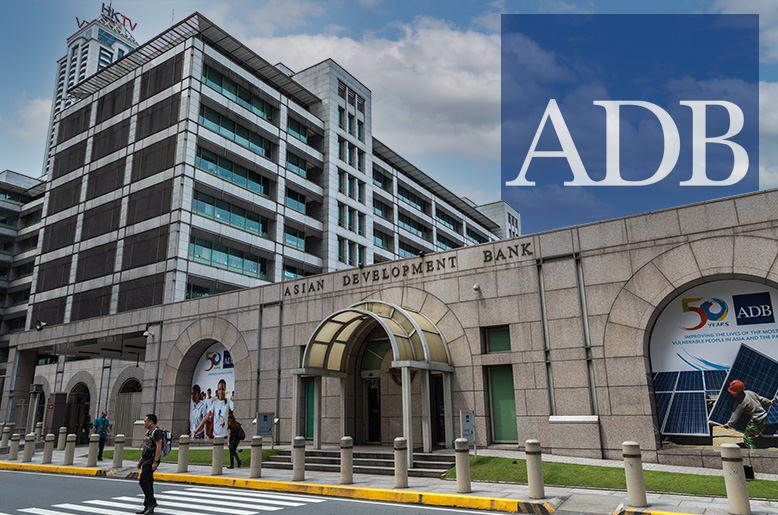
Pakistan’s economic growth is expected to hold at 3.7 percent in the current fiscal year as reforms, stronger foreign exchange reserves and renewed access to global capital markets improve the outlook, the Asian Development Bank (ADB) said.
The Manila-based lender kept its growth forecast unchanged for fiscal year 2027 in its latest outlook, after Pakistan’s GDP expanded 3.7 percent in FY26, up from 3.2 percent a year earlier.
The recovery in FY26 was spread across several parts of the economy. Manufacturing and services gained momentum, while agriculture also posted growth despite floods.
Agriculture grew 2.9 percent during the year, while private investment rose 8.6 percent as lower interest rates and improving business confidence encouraged companies to spend more.
However, economic activity lost some pace in the final quarter of FY26 as the conflict in the Middle East created fresh uncertainty, the ADB said.
The bank said Pakistan’s economic stability had improved over the past two years, with higher foreign exchange reserves helping the country deal with external pressures.
Renewed access to international capital markets was another positive sign, while an improved sovereign credit rating could encourage more private investment, according to the report.
Still, the ADB warned that high energy costs and uncertainty in the global economy could hold back faster growth.
The bank said continued economic reforms and greater private sector investment would be key to turning recent stability into broader and more inclusive growth.
Across developing Asia and the Pacific, growth is projected to slow from 5.5 percent in 2025 to 5 percent in 2026 before recovering slightly to 5.1 percent in 2027.
ADB President Masato Kanda said the region remained resilient but faced growing risks.
He pointed to a strengthening El Niño, which could bring drier conditions, smaller harvests and lower hydropower output. These pressures could push food and energy prices higher, affecting vulnerable households the most.
Kanda also said prolonged energy problems and renewed risks in financial markets made it important for governments to prepare for shocks and protect those most exposed to them.
Read next: Boeing prepares fresh aircraft offer as PIA looks to rebuild its fleet