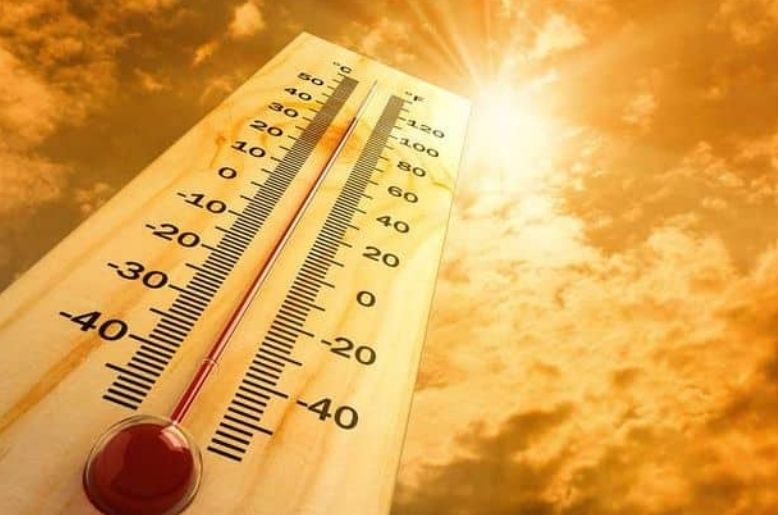
The Pakistan Meteorological Department (PMD) has warned Karachi residents to prepare for hotter weather from Monday, October 12, 2026.
According to the department, daytime temperatures in the city could reach between 36°C and 38°C, making outdoor conditions uncomfortable, during the afternoon.
Weather officials explained that a high-pressure system could affect the flow of cool winds from the Arabian Sea, allowing temperatures to rise.
Karachi usually benefits from sea breezes that help control daytime heat.
Current weather conditions in Karachi
Karachi is currently experiencing partly cloudy skies.
Southwesterly winds are blowing at speeds of around 10 to 20 kilometres per hour.
The weather is expected to remain partly cloudy over the next two to three days.
However, the warmer weather spell to remain temporary, with temperatures likely to return to normal by mid of October.
Residents who spend long hours outdoors are advised to take extra care during the hottest part of the day.
Drinking enough water, wearing light clothing and avoiding unnecessary exposure to direct sunlight can help reduce heat-related discomfort.
Children, older adults and people with existing health problems may need additional precautions during hotter weather.
Meanwhile, the Meteorological Department has also predicted a new western weather system that could affect northern and upper parts of Pakistan from October 12.
It may bring changing weather conditions to several regions.
Rainfall is also possible in different parts of Balochistan as the weather pattern develops.
However, the forecast does not indicate rainfall in Karachi during the expected hot spell.
Weather conditions may change as the system moves across the country.
Residents are advised to follow official weather updates.
Gas load-shedding worsens in Karachi
Gas loadshedding has also intensified in different parts of Karachi, with domestic consumers facing scheduled supply suspensions during morning, afternoon and nighttime hours.
Under the latest Karachi gas loadshedding schedule, gas supply is available during specific daily windows, while consumers in several areas experience interruptions during periods of high demand.