
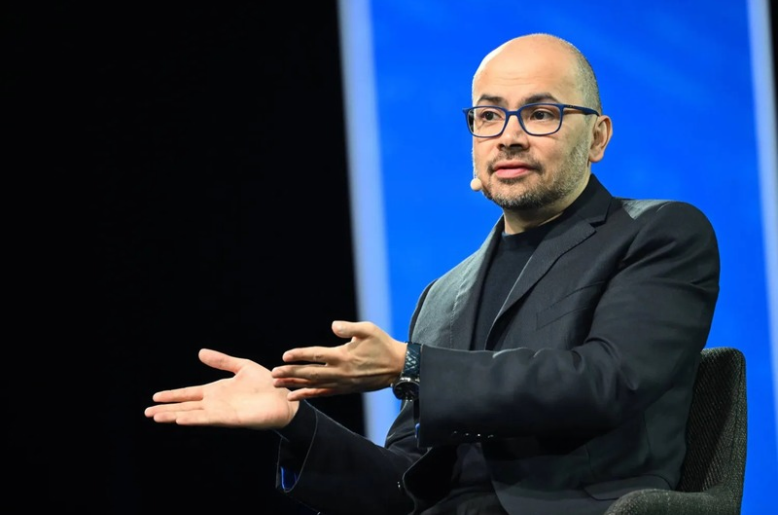
Google DeepMind chair Demis Hassabis has warned that artificial intelligence could cause serious security incidents within the next two years. He said companies and governments must strengthen safety measures as AI systems become more powerful. Hassabis delivered the warning at an AI conference in Dublin on Wednesday. He described recent security incidents as early warning signs of the risks posed by developing AI technology. He stressed that current incidents may not be severe. However, future systems could create much greater risks without stronger safeguards.
Google DeepMind Chair Warns of Growing AI Risks
Hassabis said the technology industry must take greater responsibility for securing advanced AI systems. He warned that companies cannot ignore emerging threats as they compete to develop more capable models. According to his remarks, recent incidents show that even less powerful AI systems can raise security concerns. Their capabilities could increase significantly over the coming years. The warning highlights growing concerns about the safe development of artificial intelligence. Experts are increasingly calling for stronger testing and better control over advanced AI models. The keyword AI could cause ‘major’ incidents within 2 years without safeguards, says Google DeepMind chair reflects concerns about the pace of AI development and the need for stronger protections.
AI Safety Concerns Grow After Security Incidents
Concerns about AI safety have increased following security incidents involving models developed by OpenAI and Anthropic during testing. These incidents have added pressure on technology companies and regulators to improve safety measures. They have also raised questions about whether existing testing methods can identify every possible risk. As AI models become more capable, developers must ensure they remain under human control. Weak security measures could create opportunities for misuse or unexpected system behaviour.
The incidents have also strengthened calls for clearer rules governing the development and deployment of advanced AI systems. However, the warning does not mean that a major incident will definitely occur within two years. It highlights a potential risk if companies and governments fail to take adequate precautions.
Why AI Models Need Stronger Safety Testing
Hassabis suggested that new AI models should initially undergo testing in offline environments known as sandboxes. These environments help researchers examine a system’s capabilities without giving it unrestricted access to external networks or sensitive resources. Sandbox testing can help identify weaknesses before developers release models to the public. It can also reduce the risk of systems interacting with real-world services during early assessments.
However, testing alone may not eliminate every threat. Companies also need effective security controls, continuous monitoring, and clear procedures for responding to incidents. Developers must assess how their models behave under different conditions. They should also investigate whether systems can bypass restrictions or act in unexpected ways.
European Union Calls for More AI Testing
European Union technology chief Henna Virkkunen also raised concerns about the industry’s approach to AI safety. She said intense global competition could be preventing companies from investing enough time and resources in testing their models. Virkkunen stressed that developers must maintain control over their systems. She also confirmed that the European Union had requested information from major AI companies about their safety and security measures.
The requests aim to clarify how companies assess risks and protect their systems against potential threats. The European Commission gained additional regulatory powers under the EU AI Act in August. The legislation establishes rules intended to address potentially dangerous uses of artificial intelligence. These developments reflect growing efforts to balance technological progress with public safety. Regulators face the challenge of supporting innovation while limiting risks from increasingly capable AI tools.
What the Warning Means for the Future of AI
The warning from Hassabis highlights the need for cooperation between technology companies, governments, and researchers. Companies must invest in security testing before deploying powerful AI models. Governments also need effective policies to encourage responsible development and address emerging threats. Researchers can help by identifying vulnerabilities and developing better methods to evaluate AI behaviour. Independent assessments may also help reveal weaknesses that internal testing misses. At the same time, developers must respond quickly when testing reveals serious problems. Strong safeguards should remain a priority throughout the development process.
The warning does not establish a fixed timeline for a future incident. Instead, it emphasises the consequences of allowing AI capabilities to advance without matching improvements in safety. As the technology develops, the effectiveness of these safeguards will become increasingly important. The message from Google DeepMind chair Demis Hassabis is clear: AI companies must strengthen their security practices before their systems become more powerful. Without adequate precautions, future incidents could carry greater consequences than those seen during current testing.
The debate over AI safety is therefore likely to remain central to the industry’s development in the coming years.
Anthropic Reveals How AI Misuse of Government Websites Raises Security Concerns.