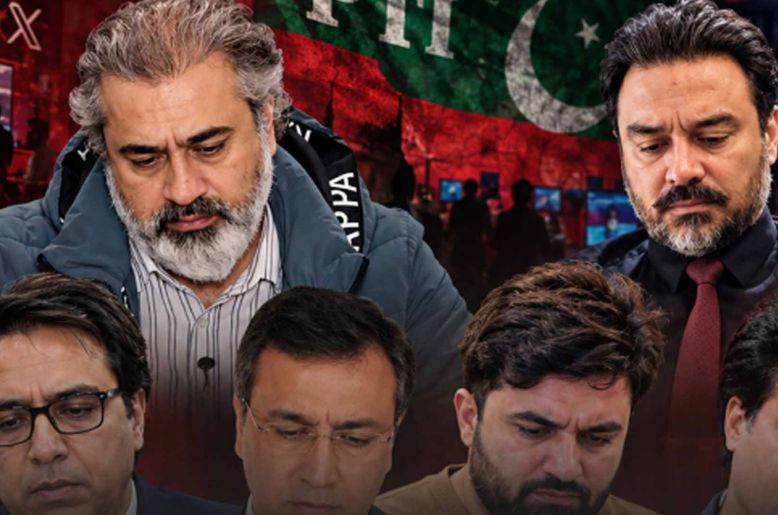
A new controversy has emerged over Pakistan Tehreek-e-Insaf’s (PTI) social media strategy and payments to YouTubers to promote a party-favourable narrative. The debate was triggered by remarks attributed to PTI Senator Mashal Yousafzai, who reportedly claimed that Siddique Jan was not a journalist and that the party had paid him to promote a particular narrative.
The statement has raised questions about PTI’s social media operations, its alleged financial arrangements with online commentators, and the role of digital platforms in shaping political narratives.
However, the claims require independent verification, and further context regarding the alleged payments and the circumstances of the remarks is needed before the allegations can be treated as facts.
Questions have emerged over whether political views expressed in support of Pakistan Tehreek-e-Insaf (PTI) on social media reflected independent journalistic opinions or were part of paid promotional activities allegedly funded by the party.
The debate follows remarks attributed to PTI Senator Mashal Yousafzai concerning YouTuber Siddique Jan and alleged payments for promoting a particular political narrative. Social media users have called for greater transparency regarding the alleged arrangements, including the sources of funding, the purpose of the payments and the individuals or organisations involved.
While political parties can legally engage in promotional activities, transparency about paid political content is important to help audiences distinguish independent journalism from political advocacy. The controversy has also renewed debate over the possible use of public resources for political communication, given PTI’s lengthy tenure in power in Khyber Pakhtunkhwa (KP).
Some social media users have questioned whether funds used to support the party’s digital media activities, including those involving overseas supporters, came from provincial government resources. However, these questions remain allegations, and no conclusion about the source of the funds can be drawn without supporting evidence. Financial records, payment details or contracts, if available, could help establish who financed the activities, their intended purpose and whether the money came from party funds, public resources or another source.
Political parties have a responsibility to be transparent about their promotional spending and funding arrangements. Similarly, journalists and digital content creators should disclose relevant financial interests and political affiliations so audiences can assess their content with an informed understanding of potential conflicts of interest.
The controversy extends beyond a single YouTuber or political party, raising broader questions about political messaging, journalistic independence and the potential use of public resources for partisan purposes. Establishing the facts will require examining the original statements, verifying the alleged payment arrangements and reviewing any relevant financial documentation before concluding.