
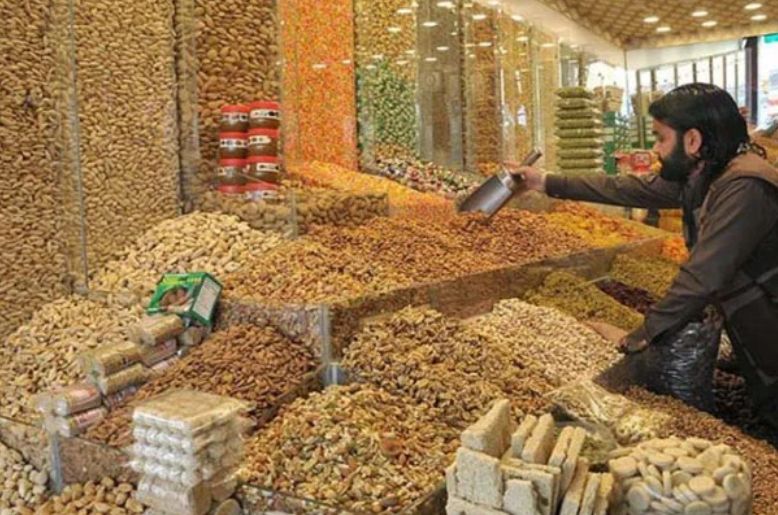
Dry fruit prices have surged by 30 to 40 per cent in Quetta with the arrival of winter, putting additional pressure on household budgets and making these seasonal favourites increasingly unaffordable for many residents.
According to market rates, pistachios that were sold at Rs3,000 per kilogram last year are now priced at Rs5,000. Almond prices have also increased by Rs1,200 per kilogram, reaching Rs3,200. Cashew prices have risen from Rs3,000 to Rs4,500 per kilogram, while pine nuts (chilgoza) are being sold at prices ranging from Rs6,000 to Rs8,000 per kilogram.
The sharp increase has raised concerns among consumers, particularly those who traditionally purchase dry fruits during the winter season. Many households are finding it difficult to accommodate the higher prices within their monthly budgets.
Shopkeepers said dry fruit prices previously tended to increase once a year, but frequent fluctuations have become common, with rates changing within days. The rising cost of dry fruits has added to the financial difficulties faced by consumers as winter demand begins to pick up in the provincial capital.
Disruptions in cross-border trade, higher import costs and persistent inflation are among the factors contributing to rising dry fruit prices in Quetta, adding to the financial burden on consumers as winter approaches. Strict checks, customs duties and intermittent restrictions along the Pakistan-Afghanistan border have reportedly affected the movement of imported goods into Quetta’s wholesale markets, limiting supplies and putting upward pressure on prices.
Higher import and valuation costs have also added to the burden on traders. Revised customs valuations by the Federal Board of Revenue (FBR) for imported products, including shelled and soft-shell almonds, have increased the baseline costs associated with their import and trade.
The combined impact of supply disruptions, higher import expenses and operating costs has made dry fruits increasingly expensive for consumers in Quetta. With demand for seasonal products typically rising during winter, the higher prices are putting additional pressure on household budgets and making traditional winter treats less affordable for many residents.
