
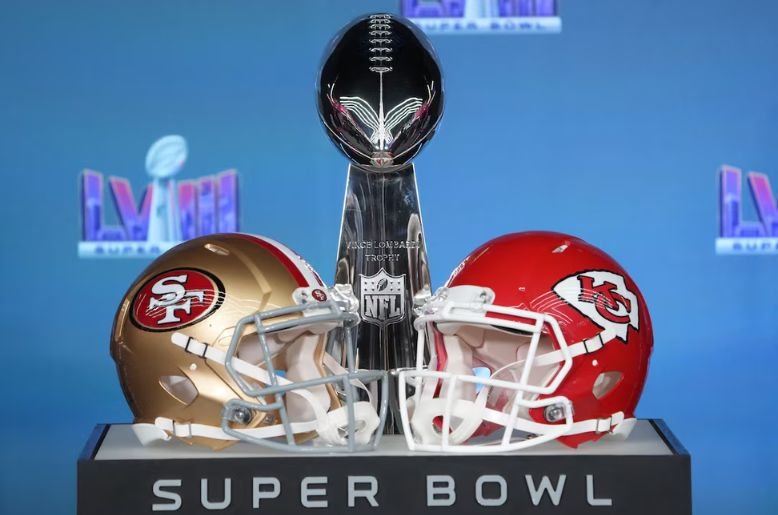
The Super Bowl is more than just a football game. It is the championship match of the National Football League in the United States and has been the final game of every NFL season since 1966. People from all over the world tune in to watch it, making it one of the most watched sports events globally. In this article, we explain why the Super Bowl is so popular, its history, key moments, and why it is celebrated beyond sports.
History of the super bowl
The Super Bowl started in 1966 to determine the champion of the NFL. It replaced the previous NFL Championship Game and quickly became a cultural phenomenon. The first game brought together the best teams of the league and set the stage for a long tradition of exciting finals. Since 2022, the game has been played on the second Sunday of February, making it a major annual event for fans worldwide.
The Super Bowl grew in popularity over the decades, attracting viewers not only for football but also for its entertainment elements. The halftime shows, commercials, and special events added layers of excitement. Today, it is more than a game; it is a celebration of sport, entertainment, and culture.
Why the super bowl is so popular
The Super Bowl attracts millions of viewers worldwide because it combines high-level sports with entertainment. Fans watch for the football itself, as teams compete for the prestigious Vince Lombardi Trophy. Every play, touchdown, and strategic move keeps viewers on the edge of their seats.
Beyond the sport, the Super Bowl is famous for its halftime performances. Celebrities perform live shows that often-become historic moments. Big brands also release unique commercials during the game, making it a complete entertainment package. This mix of sport, music, and advertising contributes to the global appeal of the Super Bowl.
Memorable games and moments
Over the years, the Super Bowl has seen unforgettable games and legendary plays. Teams often deliver last-minute victories that thrill fans. Certain games are remembered for incredible comebacks, outstanding players, and record-breaking performances. These moments stay in fans’ memories and increase the anticipation for every new season.
Super Bowl moments are not only about the winners. Fans also celebrate individual performances. Players like quarterbacks and wide receivers become heroes for their skill and dedication. These stories inspire new generations of athletes and keep the excitement alive beyond the United States.
Cultural impact of the super bowl
The Super Bowl influences culture far beyond football. In the United States and around the world, people host parties, watch halftime shows, and engage in social media discussions. The game has become a symbol of celebration, teamwork, and national pride.
For countries like Pakistan, the Super Bowl represents international sporting excellence. Fans follow the event through TV broadcasts and online streaming. The game inspires local sports communities to improve and learn from professional teams. It also highlights how sports can unite people from different countries in shared excitement.
Economic significance
The Super Bowl has major economic effects. Tickets, merchandise, and advertisements generate billions of dollars each year. Hosting the game also benefits cities through tourism and related business.
Companies invest heavily in commercials because of the global audience. These advertisements often become memorable for their creativity and humor, adding to the overall experience.
Even for international viewers, the Super Bowl sets trends in sports marketing and fan engagement. Companies around the world study their success in improving their own sports and entertainment strategies.
Global reach
The Super Bowl is watched by millions of people outside the United States. Countries including Pakistan have growing numbers of fans who follow live updates and highlights. Social media amplifies the reach of the event, making it a truly global spectacle.
Its international popularity also shows how sports can cross cultural and geographic boundaries. People cheer for teams, admire players, and enjoy entertainment even if they do not speak English.
The universal appeal of competition and celebration makes the Super Bowl a global event. The ICC issued an official statement regarding the Pakistan-India World Cup match. Read how the cricket board addressed concerns about the high-profile game.
Future of the super bowl
This game will continue to grow in popularity. Innovations in broadcasting, digital engagement, and halftime shows will attract new viewers. Fans can expect more thrilling games, creative entertainment, and unforgettable moments in the coming years.
Its influence will likely inspire international sports leagues and events. Countries like Pakistan can look at the Super Bowl as a model for how to build engaging and globally recognized sports events.
Conclusion
This game is the world’s biggest game because it combines elite sports, world-class entertainment, and cultural celebration. From thrilling touchdowns to spectacular halftime shows, it captivates millions every year. Its history, memorable moments, and global reach make it a unique event that goes beyond football.
Fans in Pakistan and worldwide watch the game not only for sport but also for the shared experience, making it a true global celebration. The Super Bowl shows how a single sports event can influence culture, inspire players, and bring people together across borders.
Frequently asked questions
Q1: What is the Super Bowl?
The Super Bowl is the final championship game of the NFL season in the United States.
Q2: When is the Super Bowl played?
It is played every year on the second Sunday in February.
Q3: Why is the Super Bowl so popular?
It combines high-level football, celebrity halftime shows, and unique commercials.
Q4: Can people outside the United States watch the Super Bowl?
Yes, millions of fans around the world follow it through TV and online streaming.
Q5: What makes the Super Bowl culturally significant?
It is a symbol of celebration, teamwork, and entertainment that unites fans globally.


