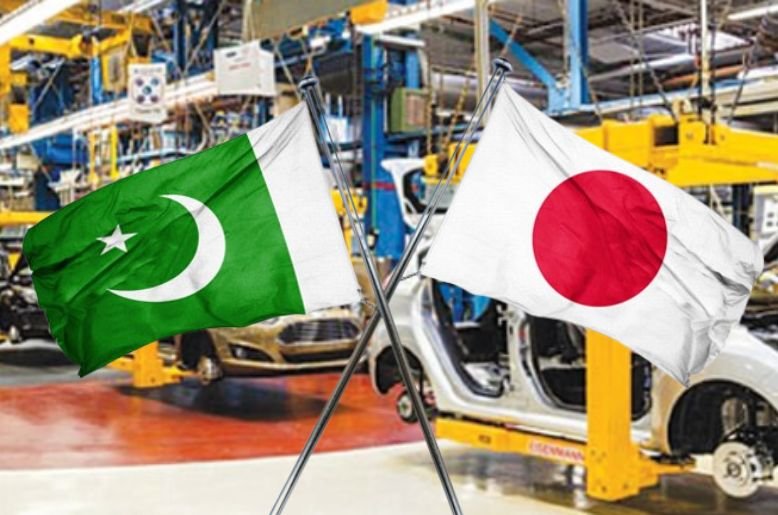
Japan is preparing to expand its automotive investment in Pakistan; the move will create more than 100,000 jobs for Pakistani natives.
Officials said that it would strengthen the country’s vehicle manufacturing and parts industry. The plans were discussed during the Japan-Pakistan Business Seminar 2026 held in Islamabad.
What was announced at the seminar?
The Japan-Pakistan Business Seminar was held in Islamabad on February 10, 2026, bringing together senior officials, diplomats, business leaders, and development experts to discuss the future of economic cooperation between the two countries.
Hosted by the Japanese Embassy at the Serena Hotel, the event highlighted Japan and Pakistan as long-term partners, with speakers emphasising trust, policy continuity, and shared goals over short-term commercial interests.
Speakers at the seminar highlighted Japan’s long-standing role in Pakistan’s automobile sector and outlined plans to deepen cooperation.
The focus was on expanding local production, improving supply chains, and supporting Pakistani vendors involved in auto parts manufacturing.
According to officials, the expected job creation will come from new assembly lines, parts manufacturing units, and support services linked to Japanese automotive companies operating in Pakistan.
Why is Japan increasing its presence?
Japanese carmakers have worked in Pakistan for decades, mainly through vehicle assembly and imports. Industry representatives said the latest push reflects confidence in Pakistan’s market and its growing workforce.
The goal is to increase local sourcing of parts, with localisation levels expected to reach up to 60 per cent over time.
This approach is also aimed at reducing production costs and limiting reliance on imported components.
What does localisation mean for manufacturers?
For local auto parts makers, higher localisation could bring more business and tighter quality requirements. The auto vendors may need to adopt modern manufacturing practices such as Kaizen and the 5S workplace system, both widely used in Japanese industries.
Officials said this shift could help improve skills, efficiency, and consistency across Pakistan’s auto supply chain.
Are green vehicles part of the plan?
The seminar also discussed future trends, including hybrid and environmentally friendly vehicles.
While no specific launch dates were announced, Japanese firms stressed the importance of aligning Pakistan’s auto industry with global changes in vehicle technology.
Why does this matter now?
If the plans move forward as expected, the investment could support job creation at a time when employment remains a key concern. For consumers, it may eventually lead to better product quality and more vehicle choices.
For now, industry watchers say the real impact will depend on how quickly localisation targets and skills training can be put into practice.