
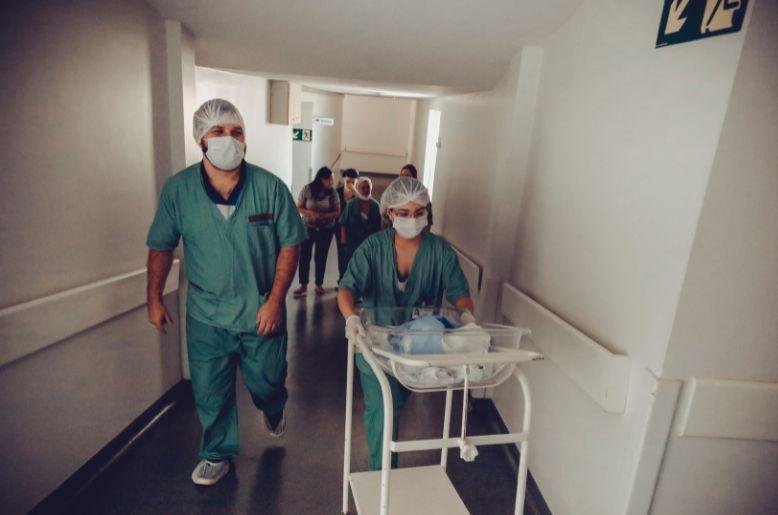
Germany has opened multiple job opportunities for Pakistani nurses because its healthcare system is facing a shortage of skilled staff, according to the Bureau of Emigration & Overseas Employment.
Nursing jobs in Germany
This demand is increasing due to Germany’s ageing population and longer life expectancy. These factors are putting pressure on hospitals and care centres, according to the reports.
Eligibility criteria
Pakistani nurses have to complete an official recognition process before working in Germany.
Their qualifications will be checked to make sure they meet German standards.
If there are any gaps, candidates will have to either pass a test or complete a training period to match German requirements.
Applicants also have to meet these conditions:
- German language skills at least at the B2 level
- Medical fitness certificate
- Proof of good character
In some cases, an A2 level of German may be accepted at the beginning.
Non-EU applicants need a residence permit. This is because the EU Blue Card does not apply to nursing jobs.
However, they can apply through other options such as:
- Visa for qualification recognition
- Recognition partnership: This means you will work while completing recognition.
- Opportunity card for job search
Read more: Pakistan embassy jobs 2026 announced: check here
How to apply
To apply for nursing jobs in Germany, follow these steps:
- Prepare a cover letter.
- Prepare a CV in German format.
- Attach important educational certificates and degrees.
- Translate your documents into German or English.
- Get ready for an online interview.
After preparing all documents, visit the official job portal of Make it in Germany or at https://www.make-it-in-germany.com/en/
Here you can look for nursing jobs and apply by email with all the required documents.
What to expect in Germany working as a nurse
In Germany, nurses work under titles such as Pflegefachfrau, Pflegefachmann, and Pflegefachperson.
Their duties include general nursing, child care, and elderly care. They can work in hospitals, nursing homes, rehabilitation centres, outpatient clinics, and palliative care units.
In these places, they care for patients and monitor their health.