
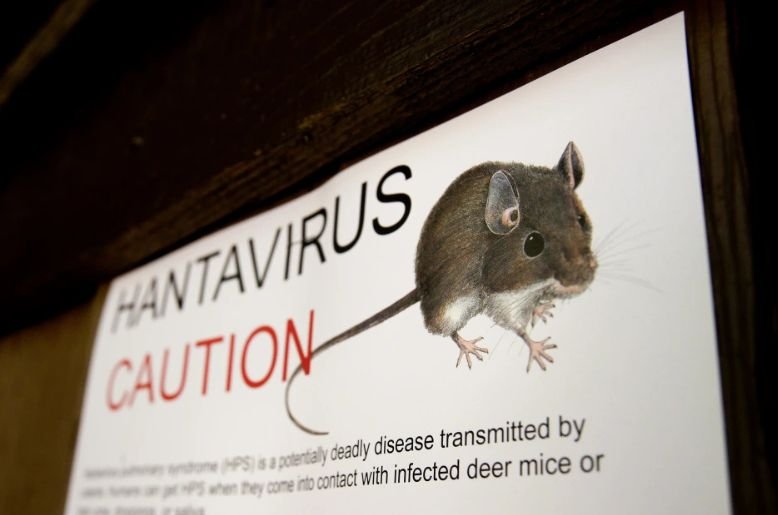
At least one case of hantavirus has been confirmed according to the World Health Organisation (WHO) with the latest cases being reported on an Atlantic cruise ship.
One patient currently remains in intensive care at a hospital in South Africa. Among the deceased, two individuals were a couple from the Netherlands.
What is hantavirus?
Orthohantaviruses, commonly referred to as hantaviruses, include a group of viruses that are mainly associated with rodents but have the potential to infect humans.
According to Prof Adam Taylor from Lancaster University, there are at least 38 recognised species of hantavirus worldwide, 24 of which are known to cause disease in humans.
Rodents, including mice, rats, and voles, are known to spread these viruses.
Reports suggest that hantavirus infections are extremely rare in humans and are frequently misdiagnosed in tropical regions as other illnesses, such as leptospirosis, which is also transmitted by animals.
How is hantavirus spread?
Hantaviruses are transmitted to humans through the inhalation of or contact with the feces, urine, and saliva of infected rodents or, less commonly, through bites and scratches from contaminated animals.
The virus is further divided into old world and new world hantaviruses.
Old world hantaviruses, found in Europe and Asia, cause haemorrhagic fever with renal syndrome (HFRS), which affecting the kidneys.
Common symptoms can range from intense headaches, back and abdominal pain and fever, and potential kidney damage.
New world hantaviruses, found in the Americas (South America), cause progressive pulmonary syndrome and respiratory failure. This type causes flue-like symptoms, which may include fever, fatigue and muscle aches.
Can hantavirus be treated?
According to reports, new world hantaviruses can cause much more severe symptoms and the chances of mortality are known to be higher with Hantavirus pulmonary syndrome having a fatality rate of nearly 40%.
On the other hand, old world hantaviruses have a fatality rate of between 1% and 15%.
Scientists and researchers say a definitive antiviral does not exist yet that works really well.
They further suggest that early diagnosis is very important for treatment which typically includes supportive management such as oxygen, fluid management, blood pressure support and ventilation for hantavirus pulmonary syndrome.
Read more: Three passengers dead after suspected Hantavirus outbreak on Atlantic cruise ship


