
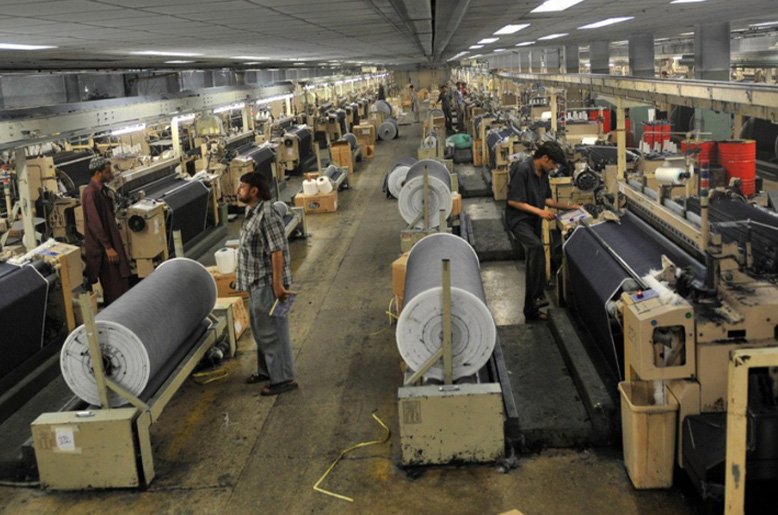
Pakistan’s large-scale manufacturing sector continued to show resilience in March 2026, supported by strong output in key consumer-driven industries, even as some heavy sectors remained under pressure.
Latest provisional figures showed the Quantum Index of Manufacturing reaching 124.89 during the month, pointing to sustained industrial activity. On a yearly basis, production rose by 11.09 percent, although output slipped 5.19 percent compared to February, suggesting a mild slowdown after recent gains.
For the first nine months of the fiscal year, from July to March FY26, the sector expanded by 6.48 percent. During this period, the average index stood at 123.03, compared to 115.55 recorded a year earlier.
Autos, sugar and garments drive expansion
The automobile sector remained the standout performer, with production jumping 61.35 percent in March. Over the July to March period, the sector posted a similar increase of 61.66 percent, reflecting improving demand and easing supply constraints.
Sugar production recorded an exceptional monthly rise of 384.90 percent in March, helping push its cumulative growth to 30.97 percent. Garments also continued to grow at a steady pace, rising 1.79 percent during the month and 6.60 percent over the nine-month period.
Petroleum products added to the positive trend, with output increasing 3.39 percent in March and reaching a cumulative growth of 10.92 percent.
Some sectors struggle to keep pace
Despite the overall positive picture, several industries faced difficulties. Iron and steel output fell by 11.46 percent in March and remained down 6.33 percent for the fiscal year so far.
Fertiliser production also declined, dropping 7.55 percent during the month and slipping into negative territory cumulatively. Cement output decreased 6.64 percent in March, though it still held a 9.13 percent gain over the nine-month period. Cotton yarn saw a modest decline of 1.34 percent.
Food and autos remain key contributors
In terms of contribution to overall growth, the food sector added the largest share, followed by automobiles and garments. Petroleum products, cement, and electrical equipment also supported expansion, along with smaller contributions from furniture, transport equipment, tobacco, and textiles.
On the other hand, pharmaceuticals, iron and steel, chemicals, and machinery sectors pulled down overall growth, reflecting ongoing challenges in parts of the industrial base.
The latest data suggests that consumer-oriented industries continue to support manufacturing activity, helped by improving demand conditions. However, weakness in capital and intermediate goods sectors indicates that the recovery remains uneven.
Read next: Rising imports push Pakistan trade gap to 46-month high in April


