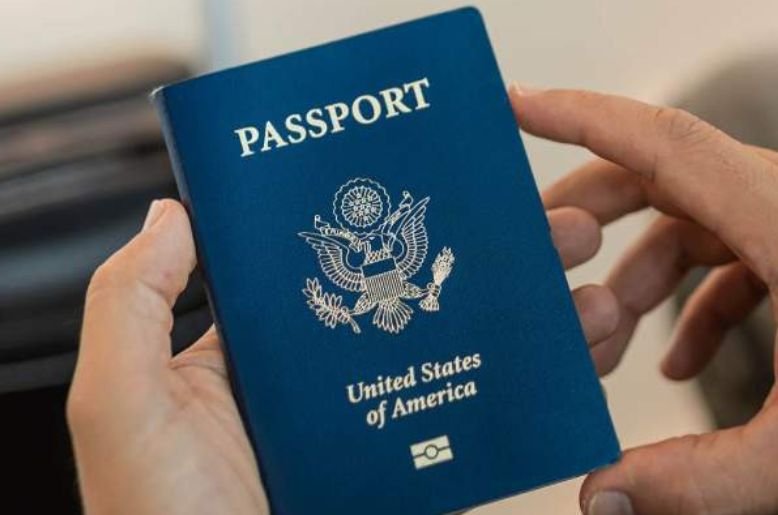
The United States will start revoking passports of thousands of citizens with unpaid child support dues as part of an expanded enforcement drive announced by the State Department.
Beginning Friday, authorities will initially target around 2,700 passport holders who each owe at least $100,000 in overdue child support, according to data provided by the Department of Health and Human Services (HHS).
Officials said the crackdown will soon extend to all parents owing more than $2,500, the legal threshold established under a 1996 law that had previously seen inconsistent enforcement.
Under the revised policy, HHS will identify individuals meeting the debt criteria who possess valid passports, allowing the State Department to revoke travel documents in eligible cases.
Previously, action was mainly taken against those seeking passport renewals, but the new system introduces proactive enforcement measures.
The State Department said the policy aims to strengthen compliance with US laws and ensure accountability for child support delinquency.
Affected individuals will be informed that their passports are no longer valid for international travel and can only apply for a new passport after clearing outstanding dues and receiving approval from state enforcement agencies.
Authorities noted that since the program’s launch in 1998, states have recovered nearly $657 million in unpaid child support, including more than $156 million in lump-sum payments over the past five years involving over 24,000 cases.
Officials also said many parents have already begun settling their arrears following reports of the expanded enforcement initiative earlier this year.
New US visa rules announced for applicants with diabetes, obesity
Foreigners seeking visas to live in the U.S. might be rejected if they have certain medical conditions, including diabetes or obesity, under a directive from the Trump administration.
The guidance, issued in a cable the State Department sent to embassy and consular officials and examined by KFF Health News, directs visa officers to deem applicants ineligible to enter the U.S. for several new reasons, including age or the likelihood they might rely on public benefits.
The guidance says that such people could become a “public charge” a potential drain on U.S. resources because of their health issues or age.
While assessing the health of potential immigrants has been part of the visa application process for years, including screening for communicable diseases like tuberculosis and obtaining vaccine history, experts said the new guidelines greatly expand the list of medical conditions to be considered and give visa officers more power to make decisions about immigration based on an applicant’s health status.
Also read: Trump issues new directives to deny US visa to foreigners