Global oil prices dropped sharply in early Asian trading on Tuesday after the United States signalled a possible pause in hostilities with Iran, raising hopes for talks to ease tensions in the Middle East.
Brent crude for July delivery fell by $3.01, or 2.7 percent, to $109.09 a barrel. US West Texas Intermediate crude for June delivery slipped by $1.38, or 1.3 percent, to $107.28. The July WTI contract, now the most active, also declined by $2.06 to $102.32 per barrel.
The fall came after Donald Trump said a planned military strike on Iran had been put on hold to allow space for negotiations. He also expressed hope that a deal could be reached to prevent Tehran from developing a nuclear weapon.
Market analysts said the statement helped calm immediate fears but warned that risks remain. Tim Waterer of KCM Trade said traders were now watching whether the move signals a real shift towards easing tensions or simply a short pause.
The situation around the Strait of Hormuz remains a key concern. The narrow waterway, which carries nearly one fifth of the world’s oil supply, has effectively been shut due to the conflict, raising fears of supply disruptions. Any update on tanker movement through the route is likely to influence price direction in the coming days.
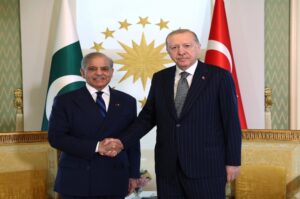
Iran confirmed that its position had been conveyed to Washington through Pakistan, though details were not shared. Reports suggested that a fresh proposal had been passed between both sides, but progress remained slow. Claims that the US may ease sanctions on Iranian oil exports during talks were denied by American officials.
At the same time, the US has allowed some countries to continue buying Russian oil for another 30 days to avoid supply shortages.
Oil supply concerns have also grown within the United States. Government data showed a sharp drawdown of 9.9 million barrels from the Strategic Petroleum Reserve last week, pushing stockpiles to their lowest level since July 2024.
Fatih Birol, head of the International Energy Agency, warned that global oil inventories are falling quickly, leaving only limited supply buffers due to the ongoing conflict and shipping disruptions.
Impact on Pakistan
For Pakistan, the global oil situation continues to add pressure on already high fuel prices. Petrol and diesel rates remain above Rs400 per litre despite a recent cut of Rs5 per litre, offering little relief to daily commuters.
Fuel prices have been revised weekly since the conflict began earlier this year, with a sharp increase of Rs55 per litre announced in March. The rise has affected transport costs and household budgets across the country.
According to S&P Global Market Intelligence, Pakistan faces the highest macro financial risk among Asia Pacific economies if the Middle East conflict continues. The country’s heavy reliance on Gulf oil, dependence on remittances from the region, and limited fiscal space leave it particularly exposed.
The report projects Pakistan’s economic growth could slow to 3.2 percent by fiscal year 2027 if tensions persist, with risks tilted to the downside.
Read next: Ceasefire eases oil prices, but supply crunch remains