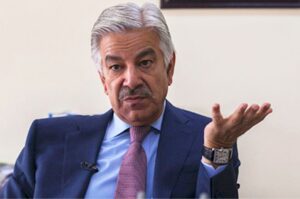
The State Bank of Pakistan (SBP) expects the country’s economic recovery to gather more pace in the current fiscal year, with stronger growth, easing inflation and a healthier external sector supporting the outlook, Governor Jameel Ahmad said on Friday.
Speaking at a press conference at the SBP headquarters in Karachi, the governor said the central bank remains focused on building lasting economic stability rather than delivering short-term gains.
“Our focus is on strengthening the economic fundamentals rather than achieving cosmetic improvements. Long-term economic resilience can only come through strong macroeconomic fundamentals,” he said.
Jameel Ahmad said Pakistan made significant progress during FY26 despite facing external challenges. According to provisional estimates, the economy expanded by around 3.7 percent, slightly below the SBP’s projected range of 3.75 to 4.75 percent. However, he said the final gross domestic product figure could be revised upward.
He said growth was affected by the conflict in the Middle East and weaker agricultural output, which prevented the economy from crossing the 4 percent mark. Even so, he said the recovery has continued to gain strength and is expected to improve further in FY27.
The governor said Pakistan has moved well beyond the economic crisis of FY23, when strict import controls were introduced because of pressure on the country’s external accounts. Since then, economic conditions have improved steadily, supported by stronger macroeconomic indicators.
He said large-scale manufacturing also showed signs of recovery, recording annual growth of around 6 percent, while some months posted nearly 10 percent growth, reflecting improving industrial activity.
Inflation, reserves and remittances improve
Jameel Ahmad said inflation has remained under control despite fluctuations in global oil prices. Inflation stood at 11.1 percent in June, while average inflation for FY26 was around 7.05 percent, close to the SBP’s target range of 5 to 7 percent. He said inflation is expected to ease further in the coming months.
The governor said Pakistan’s external position has improved significantly. The country recorded a current account surplus of USD255 million during the first 11 months of FY26, while the SBP’s foreign exchange reserves increased by USD5.5 billion to USD18.4 billion by the end of the fiscal year despite external debt repayments of USD9 billion during the final quarter. He said the central bank expects reserves to reach USD20 billion by December 2026.
Workers’ remittances also continued to grow strongly. After rising from USD27.3 billion in FY23 to USD38 billion in FY25, inflows are projected to reach USD41.5 billion in FY26 and around USD44 billion in FY27.
Jameel Ahmad dismissed concerns that ending government-funded remittance incentives would reduce inflows, saying commercial banks would absorb the cost under a revised system. He also announced that the Sohni Dharti Remittance Programme has ended and will be replaced by a more attractive scheme during the first quarter of FY27.
The governor said reforms against illegal money transfer networks, action against smuggling, improvements in the exchange company sector and a narrower gap between interbank and open market exchange rates have encouraged overseas Pakistanis to use formal banking channels.
He added that exports are expected to improve this fiscal year with the help of incentives announced in the federal budget, while stronger remittances, healthier reserves and continued export growth will remain essential to maintaining Pakistan’s external stability as the economy expands.