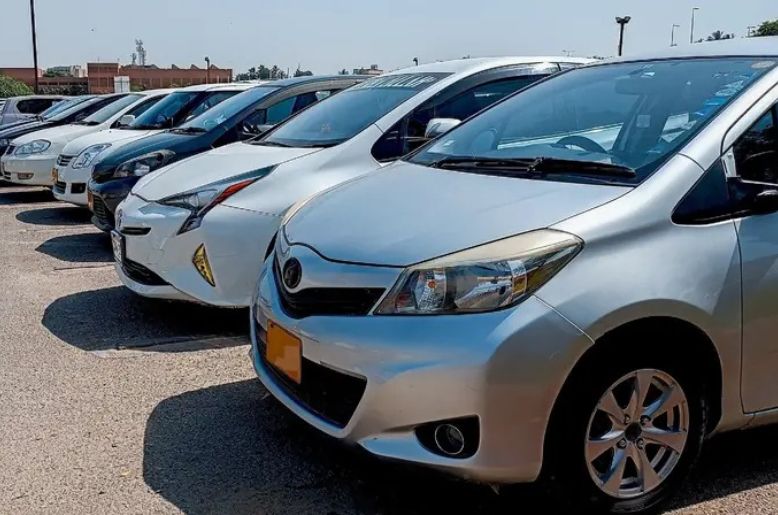
Vehicle sales in Pakistan increased by 40% during the fiscal year 2025-26, reflecting a strong recovery in the country’s automotive industry, according to data released by the Pakistan Automotive Manufacturers Association (PAMA).
The report shows that 155,000 cars were sold during the fiscal year. Car sales also recorded a 13% month on month increase in June, reaching 15,378 units compared to May.
Sales of trucks and buses rose by 67% during the last fiscal year, reaching 7,440 units.
Meanwhile, jeep and pickup sales climbed 41% to 50,814 units, while motorcycle and rickshaw sales increased by 30%, with a total of 1,972,077 units sold during the period.
Industry experts attributed the growth to improved consumer purchasing power, better auto financing options, and the launch of new vehicle models.
Automotive industry sources also said that the rise in commercial activity across the country contributed to higher sales of commercial vehicles.
In another development, the federal government has agreed to extend the existing auto policy for another year after negotiations with the International Monetary Fund (IMF) and the Tariff Policy Board over the new policy failed to reach a conclusion.
According to sources in the Ministry of Industries and Production, consultations with the IMF and other relevant stakeholders will continue before the new auto policy is finalised. Sources also said that local automobile manufacturers failed to meet export targets and were unable to upgrade several locally assembled vehicles to international standards.
Officials said the ministry was unable to effectively defend the proposed auto policy during discussions with the IMF. Prime Minister Shehbaz Sharif has directed authorities to formulate an investor friendly auto policy aimed at attracting investment and promoting industrial growth.
The proposed policy seeks to create new employment opportunities, expand industrial activity, and make international safety standards mandatory for locally manufactured vehicles.
Under the proposed framework, companies that fail to comply with global vehicle safety requirements would face penalties. The policy also includes incentives to promote electric vehicles (EVs), plug-in hybrid electric vehicles (PHEVs), and hybrid vehicles.
Authorities are also considering mandatory implementation of 62 international vehicle safety standards for both imported and locally manufactured vehicles.
The draft policy remains under consultation with the Federal Board of Revenue (FBR), Ministry of Commerce, Ministry of Law and Justice, and Ministry of Science and Technology.
The government aims to use the new auto policy to encourage advanced automotive technology, increase exports, attract investment, and ensure consumers have access to safer, higher-quality, and environmentally friendly vehicles.
Also read: Pakistani buyers report delays in GWM Tank 500 deliveries