
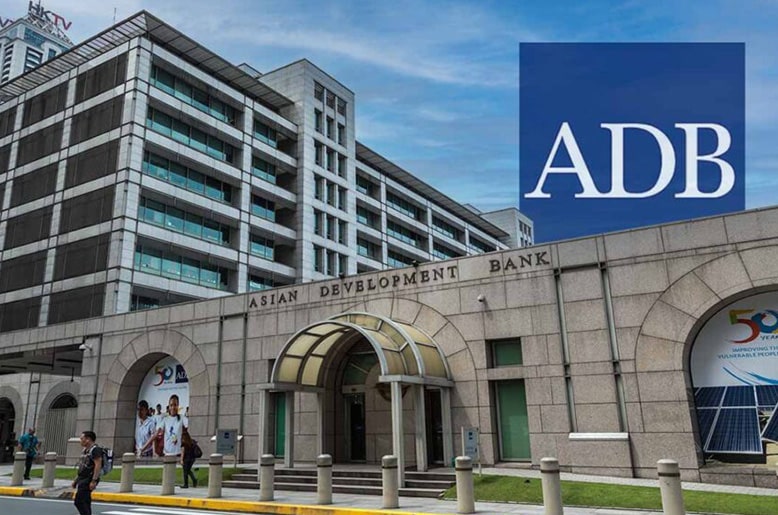
Pakistan could have access to $500 million in emergency financing to deal with the economic fallout of natural disasters after the Asian Development Bank (ADB) approved two contingent disaster financing facilities.
The funding is designed to provide quick budget support when eligible disasters strike, helping the government meet urgent financial needs and limit the damage to public finances.
The approval comes as Pakistan continues to face mounting climate and disaster risks. Floods, earthquakes and other natural calamities cost the country an estimated $2 billion annually, according to an ADB statement issued on Wednesday.
The scale of the threat was evident during the devastating 2022 floods, which caused $14.9 billion in direct damage and another $15.2 billion in economic losses. The disaster also pushed as many as 9.1 million people into poverty.
Poor and rural communities often bear the heaviest burden, with fewer resources to rebuild their lives. Women and girls are particularly vulnerable to the effects of such disasters.
The latest financing is part of the second subprogramme of ADB’s Climate and Disaster Resilience Enhancement Programme. It supports reforms aimed at improving disaster preparedness, strengthening risk management and making climate resilience a more important part of the country’s development planning and investment decisions.
The programme will also help Pakistan improve its disaster risk financing framework, making funds more readily available when a disaster hits.
“When disaster strikes, it is often the most vulnerable communities that are hit hardest,” said ADB Country Director for Pakistan Emma Fan.
She said investing in preparedness could save lives, protect livelihoods, limit economic losses and preserve development gains. The programme, she added, would help Pakistan introduce important reforms to build a more resilient future.
The approval comes as warnings about Pakistan’s exposure to climate-related disasters continue to grow.
In its Asia-Pacific Climate Report 2026 last month, ADB warned that around 1.48 million people in Pakistan could be exposed to annual coastal flooding by 2100.
Rising sea levels, coastal erosion and saltwater intrusion threaten communities, infrastructure and livelihoods, particularly in vulnerable coastal areas. The report also cautioned that development in flood-prone regions, combined with increasingly severe climate hazards, could push up the economic and social costs in the years ahead.
The $500 million financing package is intended to strengthen the country’s ability to respond when disasters occur, while reforms under the programme aim to reduce the damage they cause in the first place.
Read next: ADB proposes $250m support to help Pakistan prepare for climate shocks