
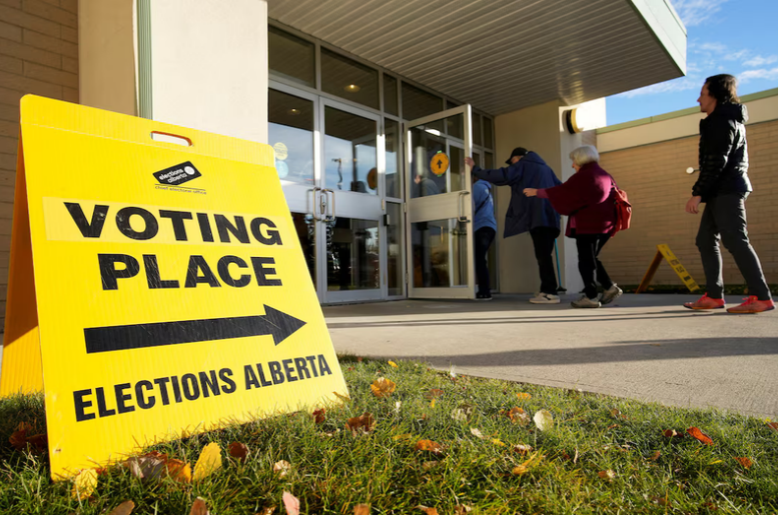
Alberta voters have rejected a move toward a future separation vote, according to preliminary results released after Monday’s referendum. The result shows strong support for keeping the province within Canada. The vote took place on October 19, 2026, amid a wider debate over provincial rights and federal policies. The keyword Alberta referendum asks voters if province should stay in Canada reflects a major political question facing the western Canadian province. Voters had to choose between remaining in Canada or allowing the provincial government to begin the legal process for a future binding separation referendum. Early results showed around 76% of voters chose to remain in Canada. About 24% supported starting the process toward a possible future vote on separation. Officials are responsible for completing the count before confirming the final results.
What did Alberta voters decide?
The referendum did not directly ask residents to make Alberta an independent country. Instead, it asked whether the province should remain part of Canada or begin the legal steps needed for another referendum. That future referendum would ask voters whether Alberta should separate from Canada. The October vote itself was non-binding, meaning its result did not automatically change Alberta’s constitutional status. The distinction is important because starting a separation process would not guarantee independence. Any move toward separation would involve major legal and constitutional questions.
Why is Alberta considering separation?
Alberta has experienced longstanding disagreements with the federal government over energy, economic policy, and provincial authority. The province has significant oil and gas resources, making energy policy a central issue in its relationship with Ottawa. Some separatists argue that federal policies limit Alberta’s economic opportunities and control over its natural resources. They also believe the province contributes significantly to Canada’s economy without receiving enough influence over national decisions.
Other residents support remaining in Canada because of shared economic interests and national stability. Separation could create uncertainty over trade, public services, government responsibilities, and constitutional arrangements. Premier Danielle Smith called the referendum following growing pressure from the independence movement. However, she has supported Alberta remaining within Canada. Prime Minister Mark Carney has also opposed separation and stressed the importance of national unity.
What happens after the referendum?
The result could shape future discussions about Alberta’s relationship with the federal government. It also provides a clearer picture of public support for the independence movement. The referendum included nine other questions covering immigration and constitutional issues. These questions examined proposals to increase provincial control over policy decisions and government programs. The separation question received particular attention because of its potential national consequences. Although most participating voters supported remaining in Canada, the independence debate may continue. Separatist supporters have indicated that they intend to keep raising concerns about provincial rights and federal policies.
For now, the preliminary results indicate that most voters rejected beginning the process toward a separate independence referendum. The final official results will confirm the outcome. The Alberta referendum asks voters if province should stay in Canada issue highlights ongoing tensions between provincial autonomy and national unity. The vote does not end those debates, but it provides an important indication of voter preferences.
Senator Irfan Siddiqui Hospitalised: Will Not Vote on 27th Constitutional Amendment.
