Apple’s upcoming Mac devices may arrive later than expected as a global shortage of memory chips continues to affect production timelines, according to fresh industry reports.
Recent updates from Mark Gurman suggest that the next generation of MacBook Pro models could now launch closer to early 2027, rather than late 2026 as earlier expected. The delay is linked to supply constraints that are affecting key components needed for the devices.
MacBook Pro timeline pushed back
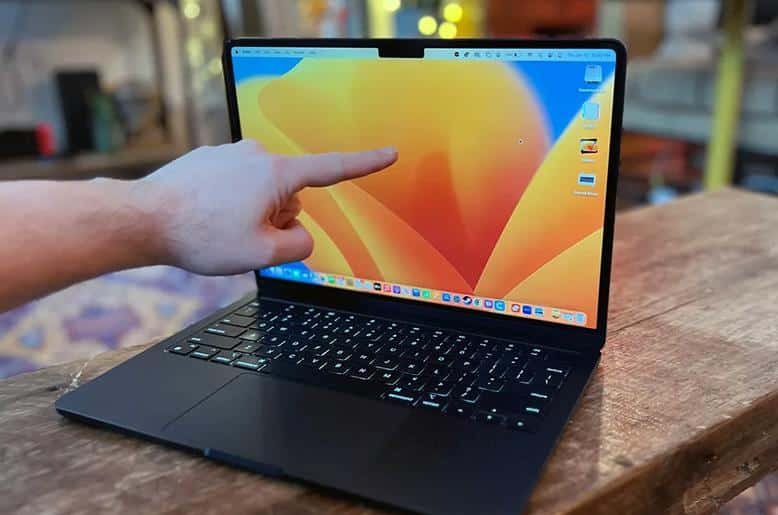
The new 14-inch and 16-inch MacBook Pro models are expected to bring one of the biggest upgrades in recent years. Reports indicate that Apple is working on adding touch screen support, alongside a redesigned interface in macOS 27 that would better support touch input.
Other expected features include advanced M6 Pro and M6 Max chips, an OLED display, and a slimmer body. There are also rumours that Apple could introduce a new “Ultra” branding for these high-end laptops.
However, the ongoing chip shortage means these upgrades may take longer to reach the market, with early 2027 now seen as the more likely launch window.
Mac Studio expected sooner
While the MacBook Pro faces delays, the next version of the Mac Studio is still expected to arrive earlier. The updated desktop could launch around October this year, slightly later than earlier expectations of a mid-year release.
The new Mac Studio models are likely to feature M5 Max and M5 Ultra chips. This would bring more balance to the lineup after the current version combined different chip generations. No major design changes are expected for the desktop system.
Supply issues reshape plans
The situation highlights how ongoing supply challenges continue to influence even the largest tech companies. For Apple, it means a staggered rollout, with the Mac Studio likely arriving first, followed by a more significant MacBook Pro upgrade early next year.
While these timelines remain unconfirmed, the latest updates suggest that buyers may need to wait longer for Apple’s most advanced Mac devices.
Read next: Early tests show MacBook Neo performs close to iPhone 16 Pro