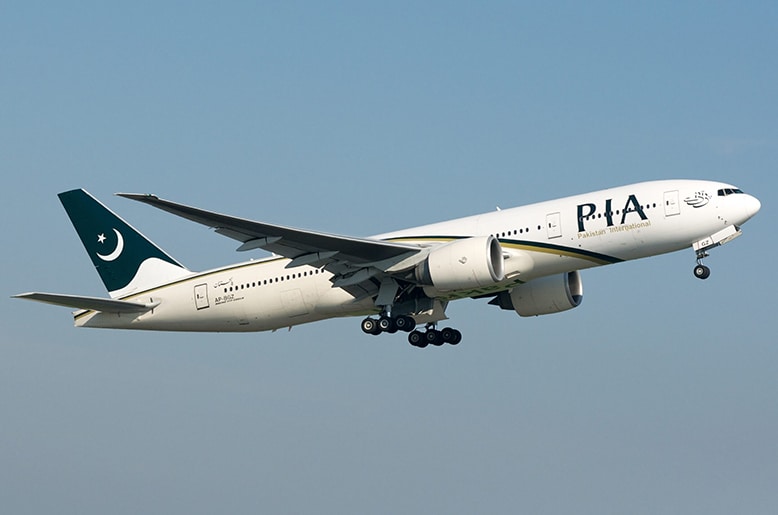
A consortium led by Arif Habib has submitted a fresh offer to acquire the government’s remaining 25 percent stake in Pakistan International Airlines Corporation Limited, as the deadline for final bids closed on April 28.
The move builds on the group’s earlier agreement to purchase a 75 percent controlling share in the national airline for Rs135bn. Based on that deal, the full valuation of PIA stands near Rs180bn, placing the remaining stake at around Rs45bn.
If accepted, the latest bid would take the consortium’s total investment to roughly Rs180bn and give it complete control of the airline. The step signals a clear intent to consolidate ownership of a carrier that has long struggled financially but still holds strong value through its global landing rights and established routes.
The privatisation process gained momentum in December 2025 when the Habib-led group emerged as the top bidder, far exceeding market expectations. The deal was structured to include both direct payments to the government and fresh capital injection into the airline through a rights issue to support its recovery.
Fuel costs remain a key concern
Despite progress on the ownership front, operational challenges remain serious. High jet fuel prices continue to pose a major risk to the airline’s turnaround.
Earlier, Arif Habib had warned that rising fuel costs could make operations difficult to sustain. Fuel typically accounts for a large share of airline expenses, and recent increases have added pressure. In Pakistan, pricing dynamics have made the situation more difficult, limiting the airline’s ability to manage costs.
Passing these higher costs on to passengers is not easy in a price-sensitive market, where demand can quickly weaken if ticket prices rise.
Some analysts believe such concerns may also reflect an effort to seek relief in fuel pricing policies. However, the government has limited room to offer support, especially under its commitments linked to the International Monetary Fund programme. With billions already spent on fuel-related support, further concessions could strain fiscal targets.
A test for privatisation efforts
Beyond fuel prices, PIA continues to face deeper structural issues, including high taxes, energy costs and legacy inefficiencies. The consortium has signalled plans to streamline operations and adjust its fleet, though the scale of change required is significant.
Market watchers see the outcome of the latest bid as a key moment, not just for PIA but for Pakistan’s wider privatisation drive. A successful deal could boost investor confidence and set the tone for future sales of state-owned enterprises.
The final decision will depend on regulatory approvals and the government’s acceptance of the offer.
Read next: PIA bidding: Arif Habib group wins PIA privatisation bidding process