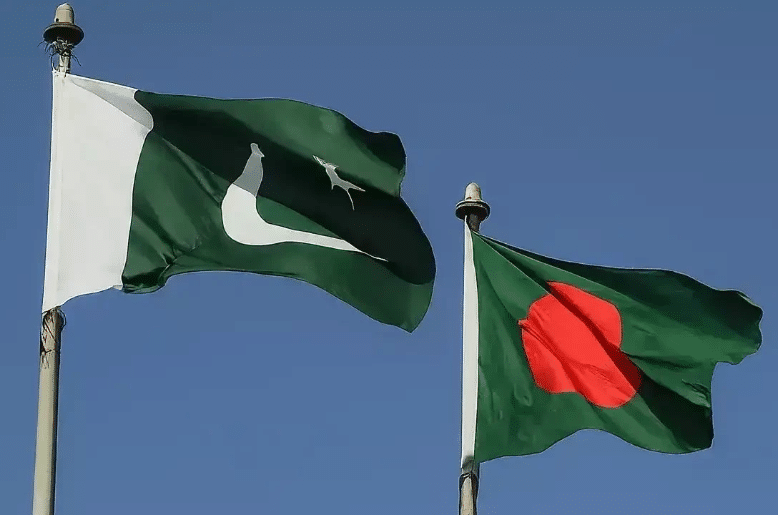
Bangladesh is exploring Pakistan as an alternative healthcare destination to India for some of the nearly 800,000 patients who travel abroad each year and spend more than $6 billion on medical treatment, officials said.
The initiative comes amid changing regional dynamics following the change of government in Bangladesh in 2024, which strained Dhaka’s traditionally close ties with New Delhi. At the same time, Pakistan and Bangladesh have been working to strengthen bilateral relations and expand cooperation across various sectors.
Bangladesh High Commissioner to Pakistan Md Iqbal Hussain Khan shared details of the country’s outbound healthcare market during a high-level meeting with Federal Health Secretary Muhammad Aslam Ghauri and Muhammad Arshad Qaim Khani, CEO of the Prime Minister’s Sehat Card Programme and chairman of Pakistan’s National Health Tourism Working Group.
India has traditionally been a key destination for Bangladeshi medical patients due to its geographical proximity, relatively affordable treatment and established hospital networks. However, strained relations between Dhaka and New Delhi following Sheikh Hasina’s ouster in August 2024, along with disruptions to Indian visa services, have affected medical travel and created an opportunity for Pakistan.
During the meeting, the Bangladeshi side called for easier visa procedures, improved air connectivity and mechanisms to help patients identify and access suitable healthcare facilities in Pakistan.
Federal Health Secretary Muhammad Aslam Ghauri assured the High Commissioner that Pakistan would extend its cooperation and coordinate with relevant institutions to facilitate medical travel and address obstacles faced by Bangladeshi patients.
The two sides also agreed to accelerate work on a proposed Pakistan-Bangladesh Health Cooperation Memorandum of Understanding, which would provide an institutional framework for cooperation in healthcare, medical tourism and universal health coverage.
Pakistan proposed promoting its leading hospitals and specialised healthcare facilities in Bangladesh, along with establishing a patient facilitation and grievance-redressal mechanism for Bangladeshi patients.
As part of the initiative, Pakistan plans to organise healthcare roadshows in Bangladesh to showcase its hospitals, specialised treatment facilities and medical expertise while establishing direct links between Pakistani healthcare providers and potential patients and facilitators.
Qaim Khani said Bangladesh’s outbound patient market represented a major opportunity for Pakistan. If Pakistan captured even 25% of the estimated 800,000 Bangladeshi patients travelling abroad for treatment annually, around 200,000 patients could seek healthcare in Pakistan, potentially generating about $1.5 billion in medical tourism revenue.
He said Pakistan was developing a National Health Tourism Policy, Strategy and Roadmap under the government’s “Heal in Pakistan” initiative. However, he stressed that attracting international patients would require improved air connectivity, easier medical visas, hospital accreditation, effective marketing and reliable patient facilitation services.
Pakistan has also offered to share its experience with Bangladesh in implementing the Prime Minister’s Sehat Card Programme.
Medical tourism expert Dr Zakiuddin Ahmed, a member of the National Health Tourism Working Group, said Pakistan had the potential to attract Bangladeshi patients seeking affordable and quality treatment abroad.
He noted that Pakistan has highly trained doctors, qualified specialists and hospitals capable of providing advanced medical care at comparatively lower costs. However, he stressed the need for a coordinated international marketing strategy to promote the country as a medical tourism destination.
Drawing on Türkiye’s experience, Dr Zakiuddin said Pakistan would need to combine medical expertise with streamlined medical visa procedures, improved air links, internationally recognised hospital accreditation, effective marketing and government support.
He added that Bangladesh could become an important market for Pakistan if patients were connected with accredited hospitals through trusted and organised facilitation mechanisms.
Also read: Goods transporters’ nationwide strike enters second day