
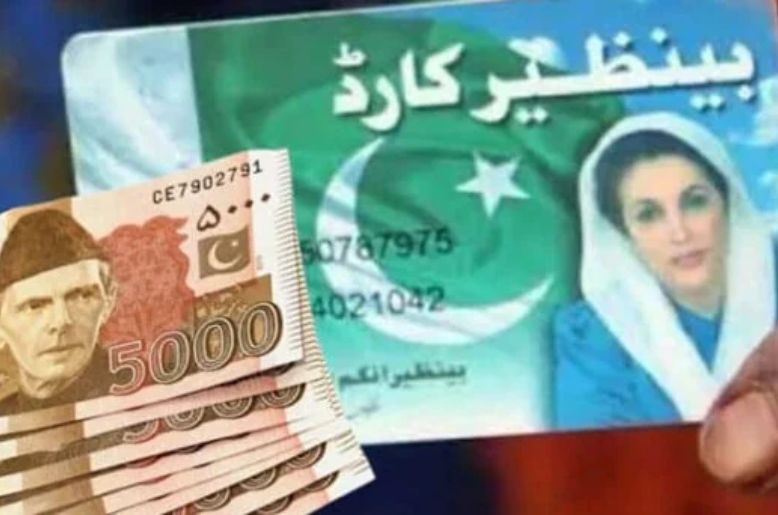
Benazir Income Support Programme (BISP) Chairperson Senator Rubina Khalid has announced good news for beneficiaries, confirming that the next quarterly instalment under the Benazir Kafaalat Programme will be released soon.
During an online public hearing (E-Kachehri), Senator Rubina Khalid announced that the upcoming quarterly payment would be distributed through the new interoperability system, allowing beneficiaries greater flexibility in withdrawing their financial assistance.
According to the BISP chairperson, under the new system, beneficiaries will be able to collect their payments from any authorised pay point operated by six partner financial institutions, including Habib Bank, Habib Microfinance Bank, Bank Alfalah, JazzCash, Easypaisa, and the Bank of Punjab.
She explained that once the payment is transferred to a beneficiary’s account, an SMS notification will be sent to their registered mobile number. After receiving the message, beneficiaries will be able to withdraw their money from any nearby authorised pay point at a time and on a day convenient to them.
Senator Rubina Khalid further stated that beneficiaries would receive a second confirmation message from the bank after withdrawing their payments. The message will contain details of the amount withdrawn.
She advised female beneficiaries to keep both SMS notifications safe and warned them not to hand over their mobile phones to retailers, agents, or any other individuals while collecting their payments.
During the E-Kachehri session, the BISP chairperson directly interacted with beneficiaries, listened to their concerns, and addressed various issues related to the programme.
She emphasised that the interoperability facility would make it easier for beneficiaries to access financial services while ensuring a more efficient, convenient, and transparent payment process.
Senator Rubina Khalid said the facility had been provided to the public through the efforts of President Asif Ali Zardari and Prime Minister Shehbaz Sharif.
During the session, she attended to a total of 24 phone calls from beneficiaries and directed the relevant officials and staff to ensure the immediate resolution of complaints and address beneficiaries’ problems on a priority basis.