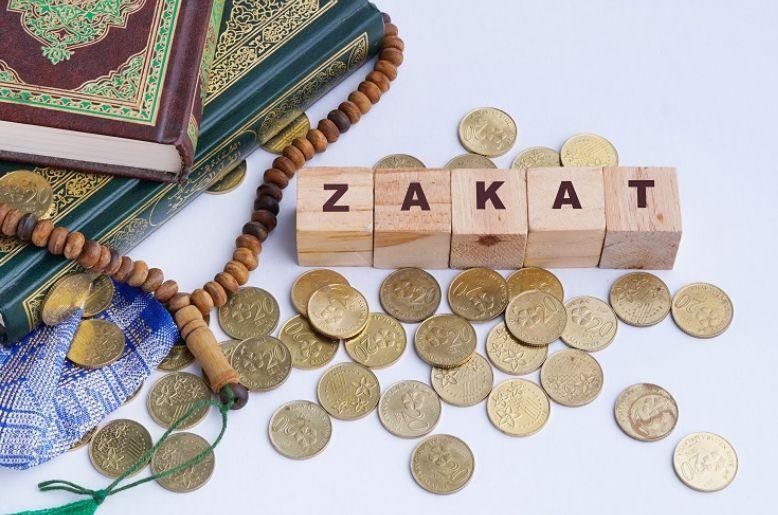
Zakat is one of the five pillars of Islam. Most Muslims know that much. But when it comes to actually sitting down and working out what they owe, many find themselves guessing. This guide cuts through the confusion.
First, Does It Even Apply to You?
Not everyone pays Zakat. The obligation is specific. You need to be a Muslim adult of sound mind, that part is straightforward.
The more important condition is financial. You must own wealth that meets a minimum threshold, called the nisab, and you must have held that level of wealth consistently for one complete lunar year.
That twelve-month period is called the hawl.
If your savings drop below the nisab at any point during the year, the hawl resets. You start counting again. Many people do not know this, and it matters.
The Nisab, What Is It Worth Right Now?
The nisab is based on either gold or silver. Gold puts it at 85 grams. Silver puts it at 595 grams.
Neither of those numbers changes. What changes is the market price of the metal, which means the nisab’s rupee or dollar value shifts throughout the year.
Most scholars today lean toward using the silver nisab. The reason is practical, silver’s monetary value is lower, so more people cross the threshold and more people in genuine need receive help.
That said, scholars differ on this, and it is worth asking someone you trust.
To find today’s nisab, look up the current gold or silver price and do the conversion. Takes two minutes.
Read more: What is official Fitrana rate in Pakistan this Eid?
2.5%. That Is the Rate.
Once you have confirmed two things, that your wealth clears the nisab, and that a full lunar year has passed, the math is simple. Zakat is 2.5% of your net zakatable wealth.
There are no brackets, no tiered percentages, no complicated adjustments based on how much over the nisab you are. Islam kept this simple on purpose.
What Gets Counted, and What Does Not?
This is the part that confuses people.
Zakatable assets include: cash in hand, money in bank accounts, gold, silver, business stock and inventory, investment portfolios, shares, and money that others owe you and are genuinely expected to repay.
Not zakatable: your home, your car, your furniture, appliances, clothing, things you use in daily life. These are personal necessities. They are exempt, full stop.
One more thing, if you have debts due within the year, deduct them from your total before calculating.
An Actual Example
Say you have Rs500,000 in your bank account. Gold jewellery worth Rs180,000. Business stock worth Rs120,000. Total: Rs800,000.
You owe Rs70,000 to someone, due this year. Subtract it. Net zakatable wealth: Rs730,000.
Check the nisab. If Rs730,000 clears it, and your hawl is complete:
2.5% of 730,000 = Rs18,250
That is what you owe.
Gold Jewellery, The Debate
Women’s gold jewellery is a genuine point of disagreement among scholars, and it has been for centuries.
Hanafi scholars, followed widely across Pakistan, India, Bangladesh and Turkey, say all gold and silver jewellery is zakatable regardless of whether it is worn regularly.
Other major schools, including Maliki and Shafi’i, generally exempt jewellery used for personal adornment.
If you follow the Hanafi school, include your jewellery. If you follow a different school, you may not need to. When in doubt, ask a scholar. This is not a question with one universal answer.
Who Receives It?
Surah At-Tawbah (9:60) names eight categories: the poor, the needy, those in debt, stranded travellers, Zakat administrators, new Muslims, those in bondage, and those striving in God’s cause.
Just as important, who cannot receive it. Your spouse, parents, and children are off the list. You already carry financial responsibility for them. Zakat is meant to reach people outside that circle.
When to Pay?
Ramzan is when most people pay, and that makes sense, the rewards of worship are multiplied in that month.
But Ramzan is not a deadline. Zakat becomes due the moment your hawl completes, wherever that falls in the calendar. Sitting on it unnecessarily is not acceptable Islamically.
Pay it when it is due. Direct it toward people who need it. And if your finances are complicated, business partnerships, agricultural income, investments, do not guess.
Sit with a qualified scholar and work through it properly. That effort is part of fulfilling the obligation correctly.