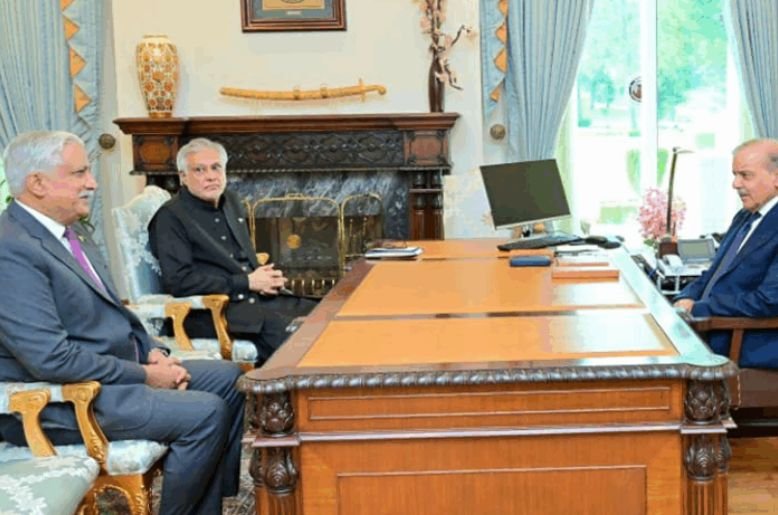
The Water and Power Development Authority (WAPDA) is one of Pakistan’s most vital institutions. It is responsible for managing the country’s water and hydropower resources. At the head of this massive organization is the Chairman WAPDA. This position is not just a title; it is a role of immense national importance. The person holding this office makes decisions that affect the lives of millions of Pakistanis every day.
This article will provide a detailed look into the role of the Chairman WAPDA. We will explore the responsibilities of the position and introduce the current chairman. We will also discuss the major projects and policies under their leadership. Understanding the work of WAPDA’s leadership is key to understanding how Pakistan is building its future.
Who is the Current Chairman WAPDA?
The current Chairman WAPDA is Lieutenant General Sajjad Ghani (Retired). He was appointed to this important position by the Government of Pakistan. Lt. Gen. Ghani brings a wealth of experience from his long and distinguished career in the Pakistan Army, particularly in engineering and project management.
Before taking charge at WAPDA, he served in several key command and staff positions. His background in the Corps of Engineers makes him uniquely suited for this role. Leading WAPDA requires strong discipline, strategic vision, and the ability to manage large-scale, complex engineering projects. His appointment continues a tradition of appointing retired senior military officers to lead WAPDA, a practice valued for bringing organizational skills to the institution.
The Role and Responsibilities of the Chairman WAPDA
The Chairman WAPDA is the chief executive of the authority. The role is incredibly demanding, with responsibilities that are crucial for Pakistan’s economic stability and development.
To learn more about influential figures, read our detailed analysis of other political leaders.
Strategic Vision and Policy Making
The chairman is responsible for setting the long-term strategic direction for WAPDA. This involves creating policies to develop water and power resources effectively. They must plan for the country’s future needs, considering population growth, climate change, and economic demands. This means identifying new dam sites, upgrading existing power stations, and ensuring water is distributed fairly.
Project Management and Execution
WAPDA is always working on several mega projects. The Chairman WAPDA oversees all of them. This includes everything from initial feasibility studies to construction and final commissioning. This requires coordinating with international contractors, financial institutions, and various government departments. Projects like the Diamer Bhasha Dam and Mohmand Dam are directly under the chairman’s supervision.
Financial Management
Managing the finances of WAPDA is a huge task. The chairman is responsible for securing funding for new projects. This often involves negotiating loans with international lenders like the World Bank, Asian Development Bank, and friendly countries. They also manage the revenue generated from selling electricity to the national grid. Sound financial management ensures the organization remains sustainable.
Stakeholder Engagement
The Chairman WAPDA must communicate and coordinate with a wide range of stakeholders. This includes the federal government, provincial governments, political leaders, and the public. They must also deal with international partners and address any concerns from communities affected by dam construction. Building consensus and maintaining good relationships are critical for the smooth progress of WAPDA’s projects.
Major Projects Under the Current Leadership
Under the leadership of the current Chairman WAPDA, several nation-building projects are underway. These projects are essential for increasing Pakistan’s water storage capacity and generating clean, affordable energy.
Diamer Bhasha Dam
This is WAPDA’s flagship project. Located on the Indus River, the Diamer Bhasha Dam will be one of the tallest roller-compacted concrete (RCC) dams in the world.
- Water Storage: It will store over 8 million acre-feet (MAF) of water, which will be vital for agriculture.
- Power Generation: It will have a power generation capacity of 4,500 megawatts (MW), providing clean energy to the national grid.
- Other Benefits: The project will also help control floods, increase the lifespan of other dams like Tarbela, and create thousands of jobs.
The Chairman WAPDA regularly visits the project site to monitor its progress and resolve any issues on the ground.
Mohmand Dam
The Mohmand Dam is being built on the Swat River in Khyber Pakhtunkhwa. It is a multi-purpose project with several key benefits.
- Power Generation: It will generate 800 MW of cheap electricity.
- Flood Protection: It will protect the cities of Peshawar, Charsadda, and Nowshera from floods.
- Irrigation and Drinking Water: The dam will provide water for irrigating thousands of acres of land and supply clean drinking water to the city of Peshawar.
Dasu Hydropower Project
The Dasu project is being constructed on the Indus River, downstream from the Diamer Bhasha Dam site. It is being built in two stages.
- Stage I: This stage will generate 2,160 MW of electricity.
- Stage II: This will add another 2,160 MW, bringing the total capacity to 4,320 MW.
WAPDA considers Dasu a high-priority project because it is a run-of-the-river project. This type of project costs less and takes less time to build than large storage dams. The Chairman of WAPDA is working to complete Stage I as quickly as possible to add much-needed electricity to the grid.
Policies and Future Vision
WAPDA’s current leadership is pursuing a clear vision to make Pakistan water-secure and energy-independent. Their policies actively drive progress toward this goal.
One key policy is to maximize the use of hydropower. Hydropower is the cheapest and cleanest form of energy. By building more dams, WAPDA aims to reduce Pakistan’s dependence on expensive imported fuel for power generation. This will lower the cost of electricity for consumers and save valuable foreign exchange.
Another important focus is on water conservation. The chairman advocates for building more small and medium-sized dams in addition to the mega projects. This will help store water at the local level and recharge groundwater tables. WAPDA is also working on projects to line canals to reduce water loss.