
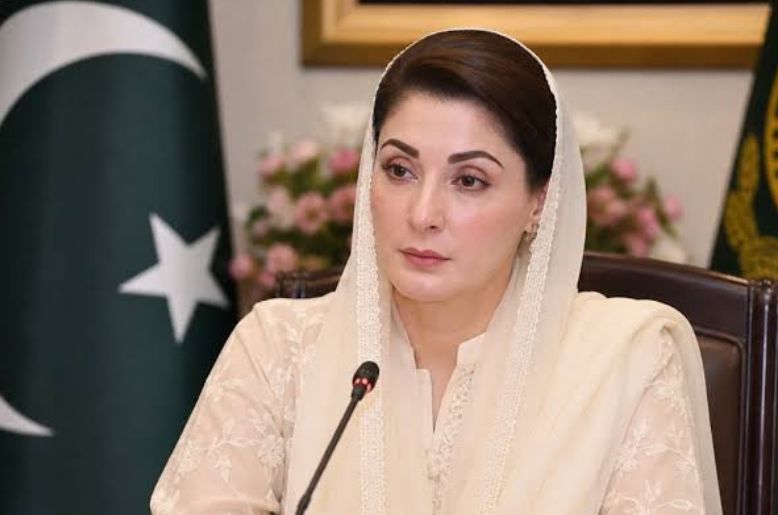
Punjab Chief Minister Maryam Nawaz has instructed the speedy transfer of Rs5 billion for the treatment of stroke patients, adding that the province has increased primary stroke centres from 16 to 40 now and another 15 will be opened in the near future.
CM Punjab also said that no one should be denied treatment because they can not afford it.
Maryam Nawaz, while addressing a ceremony in the Punjab Institute of Neurosciences, Lahore, on the occasion of World Stroke Day, said that a stroke is a medical emergency and if timely remedial measures are not taken, a patient can become handicapped for life. Thus, prompt medical care for the patient is needed.
Blood pressure, diabetes, irregular heartbeat and high cholesterol are some of the big risk factors for stroke, she said. The factors need to be controlled, and blood pressure and cholesterol levels monitored, and one must keep an eye out for the symptoms. In the critical window of four and a half hours, it’s very important that a stroke patient receive medical treatment immediately, said Maryam Nawaz.
Transferring patients to Lahore from South Punjab and other remote areas can be expensive and difficult, making it essential to provide treatment facilities in different districts.
She stated that 40 primary stroke centres are operational in 23 districts of Punjab, while another 15 centres are being established. These centres provide facilities for administering a specialised injection to dissolve blood clots in stroke patients, which can reduce the risk of permanent disability.
The chief minister said that specialised expertise is required for this treatment, which is why Dr Qasim and Dr Asif are also training medical staff and nurses. Emphasising the need to expand modern medical equipment and treatment facilities, she said that no amount of resources spent on this sector would be sufficient.
Maryam Nawaz stated that the specialised injection used in stroke treatment costs approximately Rs300,000, making it difficult for an ordinary person to afford. Timely treatment can not only save a patient from disability but also help protect their family from severe financial and social difficulties.
She directed the relevant doctors to contact her directly if they faced a shortage of funds and assured them that there would be no shortage of financial resources for the treatment of stroke patients.
