Web desk: The move from cash to card payments has made life easier, but experts say the trend comes with increased risks of online scams.
This means it is especially important to be aware of what kind of digital habits put you at risk of being more susceptible to these crimes and frauds.
In an era of sophisticated cyber tricks, including WhatsApp hacking scams and ATM frauds, security risks are rising rapidly. This, unfortunately, also applies to your PIN codes.
Security analysts say four-digit PIN codes that follow simple patterns are the easiest for hackers to guess.
What are the most commonly used PIN codes?
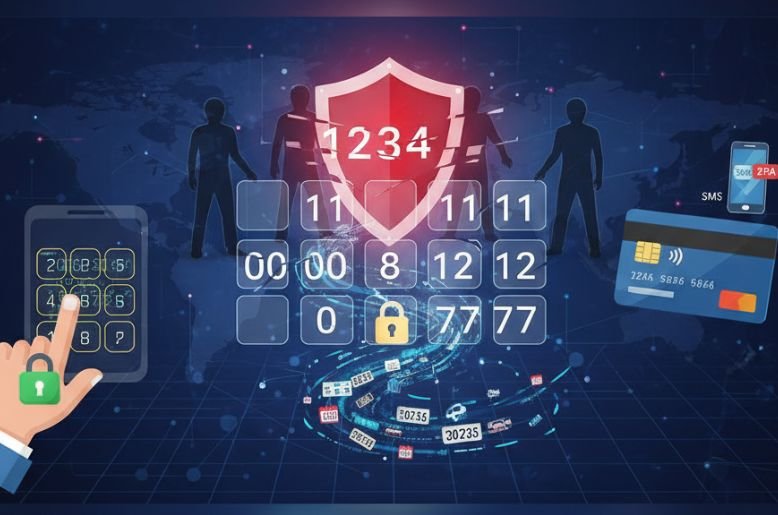
Codes like 1234, 1111, and 0000 remain the most common worldwide, with 1234 topping the list in millions of leaked records.
Cybersecurity reports highlight that only a handful of popular PIN numbers create major risks for users.
Studies show that attackers can break into accounts within a few attempts by trying codes such as 1234, 1111, 0000, 1212, or 7777.
Experts caution against using personal details such as birth dates, phone numbers, or vehicle numbers as PINs.
Since such information is often available on social media or documents, hackers can easily exploit it. Instead, users should create random, unique, and memorable PINs.
Banks do not store customer PINs, but data leaks and online clues make it easier for fraudsters to guess them.
That is why security specialists recommend strong and unpredictable codes.
When to change your PIN?
Most cyber experts suggest updating PINs regularly, ideally every three to six months, or immediately after noticing suspicious activity.
They caution, though, that too frequent changes in codes would encourage individuals to select less complex numbers that are easier to recite, undermining security.
How to stay safe from hackers?
- Use random numbers, which you can remember and that cannot be guessed by others.
- Never leave your PIN number anywhere, your phone or notes included.
- Use different PINs on different cards.
- Freeze your card and call the bank in case you notice suspicious activities.
- Turn on SMS notifications, OTP, and two-factor authentication (2FA) where possible.
Experts emphasise that your money can be revealed in no time when you have a very weak PIN. A small step like checking and changing your code today can protect your savings tomorrow.