
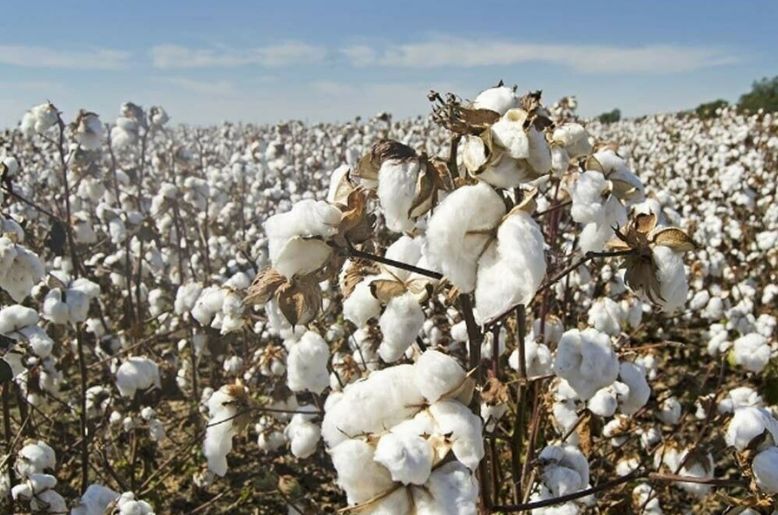
Cotton prices in Pakistan have declined by Rs200 per maund, bringing the rate down to Rs18,300 amid a bearish trend in the market.
Market sources said the decline comes amid a severe shortage of quality cotton, which has affected market conditions and put downward pressure on prices.
Unexpectedly high temperatures during the current crop season have badly affected cotton production and seed quality, with direct consequences for the cotton market, according to industry sources.
Meanwhile, Ehsan-ul-Haq, chairman of the Cotton Ginners Forum, said the federal government had decided to establish a Pakistan Cotton Board to support the cotton industry and help revive the struggling sector.
The proposed board is expected to play a role in addressing challenges facing the industry, which has been affected by declining crop quality and limited availability of quality cotton.
The latest price decline highlights the difficulties facing Pakistan’s cotton sector as stakeholders seek measures to support the industry and improve the condition of the crop.
Also Read, Government signals possible wheat price cut, bringing relief for consumers
Earlier, the Federal Minister Rana Tanveer Hussain assured the public on Monday that wheat prices are expected to return to normal within the next few days, offering potential relief to consumers facing rising flour prices amid concerns over wheat shortages.
The minister attributed the recent increase in wheat prices to artificial price hikes and the intervention of certain elements in the market. He said the country had sufficient wheat stocks and there was no need for the public to panic.
According to Rana Tanveer Hussain, the federal government has fixed the wheat price at Rs4,500 per 40-kilogram maund in consultation with all provincial governments. He said the decision was aimed at protecting farmers’ interests and ensuring consensus on the national wheat pricing policy.
The minister also announced that the government had formulated a comprehensive national wheat policy for the first time in 40 years.

