
Governments and technology teams worldwide have taken websites offline while responding to critical PHP flaws, a programming language used across much of the internet. The incident has triggered an urgent effort to install security updates and protect vulnerable systems. Researchers identified the flaws with help from artificial intelligence tools. PHP developers released fixes on Wednesday and urged users to update their software immediately. Security agencies warned organisations unable to apply patches to consider temporarily shutting down affected websites. PHP operates behind many websites and services, including platforms used to publish content and run online stores. One cybersecurity company estimated that the language supports roughly 70 percent of websites worldwide.
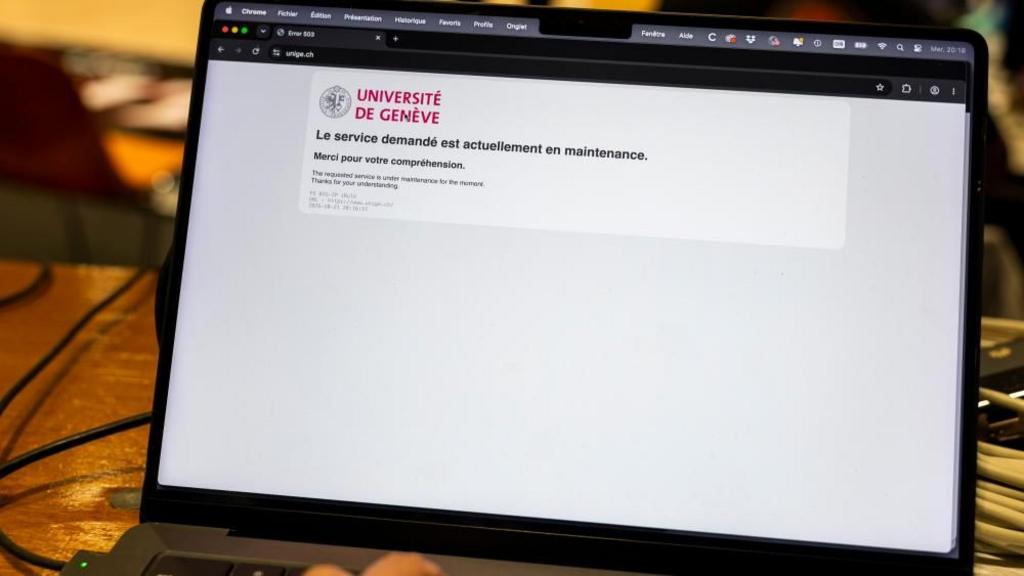
Several public services have gone offline as a precaution. Finland temporarily shut down government web services, while Dutch organisations also took websites offline. Some systems linked to Edinburgh Council and the BBC became inaccessible. However, officials have not confirmed that every reported outage resulted from the PHP vulnerabilities. The Wikimedia Foundation, which operates Wikipedia, said it was addressing the flaws and temporarily shut down some systems until its team could safely patch them. Other websites displayed maintenance notices without explaining whether the security issue was responsible.
The main concern is that attackers could use the weaknesses to access vulnerable servers, potentially reaching files or databases. Security agencies warned that exposed systems could face serious risks if organisations delay updates. Cloudflare also reported a rise in attempted exploitation after details became public. Cybersecurity authorities in the United States, United Kingdom, Europe and Australia have urged organisations to identify systems running PHP and apply available fixes. They also recommend monitoring systems for suspicious activity and limiting exposure until updates are complete across affected online services.
The incident highlights how quickly security problems can spread when widely used software contains a serious weakness. Smaller website operators may face extra challenges because they often rely on hosting providers to manage server software. Website owners should contact their providers to confirm whether the flaws affect their systems and when providers will install patches. Ordinary users should understand that temporary website outages do not necessarily mean attackers have stolen their personal information. Organisations are taking services offline to reduce risk while applying and testing fixes.
The global scramble to fix critical cyber-security flaws as many websites taken offline, is continuing as administrators work to secure systems and restore services. Recovery will depend on how quickly affected software can be updated, checked and returned safely.
