
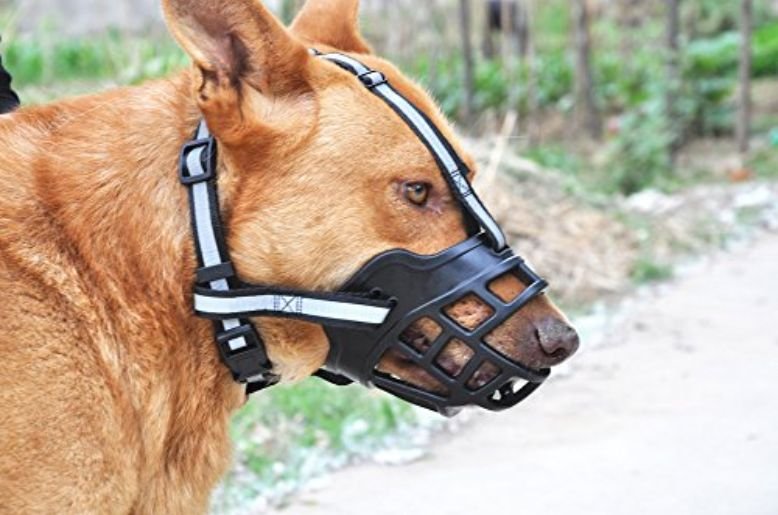
A dog muzzle often gets a bad rap. Many people see a dog wearing one and assume the dog is aggressive or dangerous. This is a common myth. In reality, a dog muzzle is a valuable tool for responsible pet ownership. It can ensure safety in many situations for your dog, other animals, and people.
Understanding the purpose of a dog muzzle can change your perspective. It is not a punishment. Instead, it is a preventive measure. This guide will help you learn about the different types of muzzles. We will cover when to use them and how to train your dog to accept one happily. With the right approach, a muzzle can be a normal part of your dog’s life, just like a leash or collar.
Why Would a Dog Need a Muzzle?
There are many reasons why a good dog might need to wear a muzzle. It’s not just for aggression. Thinking ahead can prevent problems and keep everyone safe.
For Vet Visits and Grooming
Even the calmest dog can react poorly when scared or in pain. Vet visits and grooming appointments can be stressful. A dog might bite out of fear when getting a shot, having its nails clipped, or getting a mat brushed out. A dog muzzle protects the veterinarian, vet techs, and groomers, allowing them to do their job safely and efficiently. This makes the experience less stressful for your dog in the long run.
To Prevent Eating Dangerous Items
Some dogs love to eat things they find on the ground. This behavior, known as pica, can be very dangerous. Dogs might swallow rocks, trash, or toxic plants. This can lead to expensive vet bills or even be fatal. A basket muzzle allows your dog to pant and drink water but prevents them from eating harmful objects during walks.
During New Situations
When you introduce your dog to new people or other dogs, you might feel unsure how they will react. A dog muzzle provides a layer of safety while your dog gets used to a new social setting. It allows you to stay calm, which helps your dog stay calm too. This is especially useful for rescue dogs with unknown histories.
For Legal Reasons
In some cities or states, certain breeds of dogs are required by law to wear a muzzle in public places. As a responsible owner, it is important to know and follow your local laws. Complying with these rules ensures you can enjoy public spaces with your dog without any legal trouble.
Choosing the Right Dog Muzzle
Not all muzzles are the same. Picking the right type is crucial for your dog’s comfort and safety. The two most common types are basket muzzles and soft muzzles.
Basket Muzzles
A basket muzzle is often the best choice for most situations. These muzzles look like a cage that fits over your dog’s snout. They can be made of plastic, rubber, wire, or leather.
The biggest advantage of a basket muzzle is that it allows your dog to pant, drink water, and even take treats. This is very important. Dogs cool themselves down by panting, so restricting this ability can cause them to overheat, especially in warm weather or during exercise. Because you can give treats through the muzzle, it makes training much easier and more positive. A well-fitted basket muzzle is comfortable enough for a dog to wear for longer periods.
Soft Muzzles (Occlusion Muzzles)
Soft muzzles are usually made of fabric like nylon or mesh. They wrap tightly around a dog’s mouth, holding it closed. While this effectively prevents biting, it also stops your dog from panting or drinking.
For this reason, soft muzzles should only be used for very short periods, like a quick nail trim or a shot at the vet. They are not safe for walking, exercise, or for wearing longer than a few minutes. Using a soft muzzle for too long can lead to overheating and distress.
For information on unique dog breeds, check out our guide on the Catahoula Leopard Dog.
How to Properly Fit a Dog Muzzle
A poorly fitting muzzle can be uncomfortable, ineffective, or even dangerous. It could slip off or chafe your dog’s skin. To get the right fit, you need to measure your dog’s snout.
- Measure the Length: Use a soft tape measure to measure the distance from the tip of your dog’s nose to about a half inch below their eyes.
- Measure the Circumference: Measure around the widest part of your dog’s snout, usually right below the eyes. For a basket muzzle, you need to add extra room so your dog can open its mouth to pant. For a large dog, add two or three inches. For a small dog, add one inch.
When you put the muzzle on, it should be snug but not tight. You should be able to fit one finger between the strap and your dog’s head. The muzzle should not touch your dog’s nose or rub against their eyes. Make sure your dog can pant and drink comfortably with it on.
Training Your Dog to Love the Muzzle
The most important step is to make the muzzle a positive thing for your dog. You want your dog to see the muzzle and get excited, just like they do for a walk. This process takes time and patience. Never force the muzzle onto your dog.
Step 1: Introduction
Let your dog see and sniff the dog muzzle. Place it on the floor and let them investigate it on their own. Drop some high-value treats, like small pieces of chicken or cheese, near the muzzle. Do this for a few days until your dog is happy to be around the muzzle.
Step 2: Make it a Treat Dispenser
Hold the muzzle in one hand and treats in the other. Encourage your dog to put their nose into the muzzle to get a treat. You can put peanut butter or cheese spray on the inside of a basket muzzle. Your dog will have to stick their nose in to lick it off. Don’t buckle the straps yet. Repeat this many times until your dog eagerly puts their nose into the muzzle.
Step 3: Buckle for a Second
Once your dog is comfortable putting their nose in, you can briefly buckle the strap. As soon as you buckle it, give them a treat. Then, immediately unbuckle it. Keep these sessions very short, just a few seconds at first. You want your dog to learn that good things happen when the muzzle is on.
Step 4: Increase the Time
Gradually increase the amount of time your dog wears the muzzle. Buckle it, give a treat, and then do something fun like play a quick game of fetch in the house. Start with 30 seconds and slowly work your way up to a few minutes. Always end on a positive note before your dog gets fussy.
Step 5: Take it Outside
Once your dog is comfortable wearing the muzzle at home, you can try it on a short walk. Keep the walk fun and engaging. Soon, your dog will associate the muzzle with positive experiences like walks and playtime.
Common Muzzle Mistakes to Avoid
Using a dog muzzle correctly is key to its effectiveness. Here are some common mistakes to avoid:
- Using it for Punishment: A muzzle should never be used to punish your dog for barking, chewing, or other unwanted behaviors. This will create fear and anxiety, making the problem worse. Address these issues with proper training instead.
- Leaving it on Unsupervised: Never leave a muzzled dog alone. They could get it caught on something, or another animal could attack them while they are unable to defend themselves.
- Using the Wrong Type: Remember to use a basket muzzle for anything longer than a few minutes. A soft muzzle is dangerous for extended wear.
- Poor Fit: An ill fitting muzzle is a big problem. If it’s too loose, the dog can get it off. If it’s too tight, it will be very uncomfortable and can cause injury.
A dog muzzle is a tool for safety and responsible pet care. By choosing the right one and using positive training, you can help your dog feel comfortable and confident while wearing it.
Frequently Asked Questions
1. Is it cruel to make a dog wear a muzzle?
No, it is not cruel if the muzzle fits properly and the dog is trained with positive reinforcement. A muzzle is a safety tool that can prevent stressful or dangerous situations.
2. Can my dog still bark with a muzzle on?
Yes, a dog can still bark with a basket muzzle on. However, it may be muffled. A muzzle is not a tool to stop barking.
3. How long can my dog wear a muzzle?
A dog can wear a comfortable, well fitted basket muzzle for longer periods, as it allows them to pant and drink. Soft muzzles should only be used for a few minutes at a time.
4. Will a muzzle make my dog more aggressive?
No, a muzzle itself will not make a dog more aggressive. However, if it’s used as a punishment or forced on a dog, it can create fear and negative associations.
5. How do I clean a dog muzzle?
Most muzzles can be cleaned with soap and warm water. Check the manufacturer’s instructions, as materials like leather may require special care.


