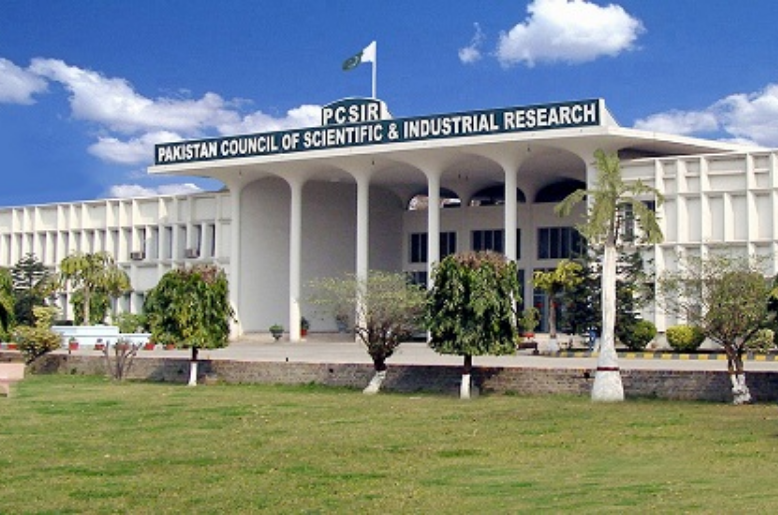
A laboratory assessment by the Pakistan Council of Scientific and Industrial Research (PCSIR) has found that 36 per cent of packaged edible oil, ghee and milk samples tested across Pakistan failed to meet prescribed national quality standards.
The research was presented during a meeting of the National Price Monitoring Committee (NPMC), chaired by Federal Minister for Planning, Development and Special Initiatives Prof. Ahsan Iqbal, to review the country’s inflation outlook, food quality standards and price trends of essential commodities.
The laboratory assessment was conducted to scientifically evaluate commonly consumed food items. PCSIR carried out the testing under the Ministry of Science and Technology, while the Pakistan Standards and Quality Control Authority (PSQCA) compiled the data.
Samples collected and tested
315 complied with the national quality standards, out of 491 samples collected and tested. While 176 failed to meet required specifications, reflecting a non-conformance rate of roughly 36 per cent.
- Banaspati ghee: 98 of 204 samples failed
- Blended cooking oil: 40 of 146 samples failed
- Packaged liquid milk: 26 of 104 samples failed
- Milk powder: 8 of 18 samples failed
- Refined palm oil: 3 of 4 samples failed
- Refined canola oil: 1 of 13 samples failed
Minister calls for nationwide survey
The growing public concern over rising cardiovascular disease and other illnesses, particularly among younger Pakistanis, Prof. Ahsan Iqbal directed provincial governments, regional administrations and regulatory authorities to conduct a nationwide survey of loose, unpackaged edible oil, ghee and milk sold across the country.
He also formed a technical subcommittee comprising experts from the Ministry of Planning, PCSIR and PSQCA to analyse the laboratory data further and recommend regulatory action.
Inflation trends reviewed
Separately, the Pakistan Bureau of Statistics (PBS) briefed the committee that headline inflation eased to 9.2 per cent in July 2026, down from 11.1 per cent the previous month. Natural gas remained the largest contributor to inflation, while housing, wheat flour, fresh milk and petrol continued pushing prices upward.
The minister also raised concerns over whole sale price gaps across cities and directed provincial and district authorities to investigate the causes and propose measures to improve market transparency and pricing fairness.
Read more: Every Milk Sample Collected in Karachi Declared Unfit For Humans