
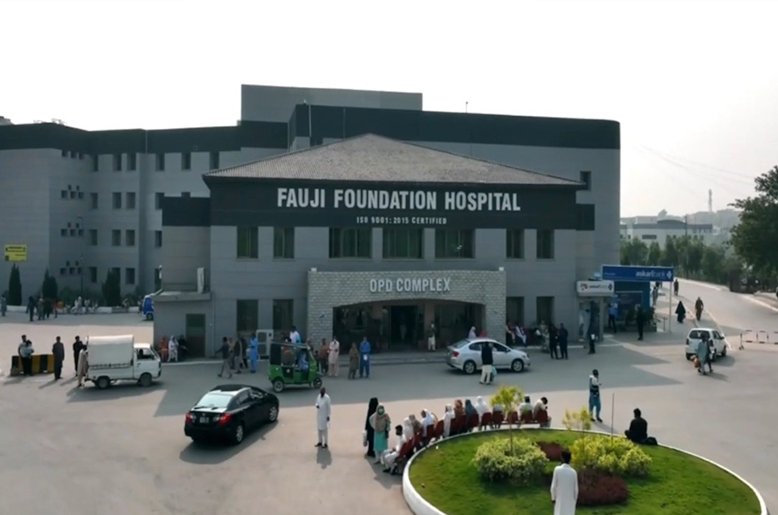
Islamabad: For more than seven decades, Pakistan’s Fauji Foundation has operated on a model that combines welfare delivery with commercial self-reliance, channelling business income into services for retired military personnel, war widows and families of martyrs without relying on the state budget.
Founded in the aftermath of war and shaped by the sacrifices of armed forces personnel, the foundation has grown into one of the country’s largest welfare organisations. Today, it supports nearly 10 million beneficiaries, representing close to 5% of Pakistan’s population, according to foundation data.
Unlike traditional welfare programs, the Fauji Foundation funds its operations largely through its own enterprises. It reinvests more than 70% of its annual income, estimated at Rs 12 to 14 billion, directly into welfare activities each year.
As a result, officials say the organisation has demonstrated that long-term social support for veterans and their families can remain financially sustainable. Over time, this model has allowed the foundation to expand services while limiting dependence on public funds.
At the core of its welfare work is a nationwide healthcare network. The foundation operates 74 medical facilities, including 11 hospitals and 63 clinics, with more than 1,940 beds.
Together, these facilities treat over 5 million patients annually, offering what the foundation describes as affordable and accessible care across urban and rural areas. Consequently, the network has become a key healthcare provider for both beneficiaries and the wider public.
In addition to healthcare, the foundation runs 131 educational institutions, educating more than 75,000 students nationwide. Its Educational Stipend Scheme, launched in 1954 with 1,586 stipends, has expanded steadily.
For the 2024–25 academic year, the program awarded about 15,000 stipends totalling Rs 383.41 million. According to officials, the scheme aims to ensure that the children of beneficiaries can continue their education despite financial pressures.
Beyond welfare delivery, the Fauji Foundation plays a significant role in Pakistan’s economy. It ranks among the country’s top corporate taxpayers, contributing Rs 325.7 billion to the national exchequer in fiscal year 2024–25.
Over the past seven years, its cumulative tax contribution has reached about Rs 1.6 trillion, underscoring its position as a major revenue source for the government.
Meanwhile, the foundation’s industrial operations have had broader economic effects. Its fertiliser plants supply about 60% of Pakistan’s urea, helping stabilise prices and prevent shortages. This production, officials say, saves an estimated $1.5 to $2 billion annually in foreign exchange by reducing imports.
During periods of energy stress, the foundation has also added more than 330 megawatts to the national grid. Notably, it did so without sovereign guarantees, relying on indigenous gas and wind power.
The Fauji Foundation employs more than 32,000 people across its operations. About 84% of its workforce consists of civilians, with women accounting for nearly half of the total employees.
At the same time, the organisation provides structured employment opportunities for retired military personnel and inclusive roles for persons with disabilities, aligning its hiring practices with its welfare mission.
As Pakistan continues to grapple with fiscal constraints and social needs, the Fauji Foundation’s model stands out for linking enterprise with social responsibility. Supporters say its experience shows how large-scale welfare systems can remain viable when backed by disciplined reinvestment and diversified economic activity.
Read more: Army Captain and two others martyred in Burzil Pass snow-clearing operation


