
India’s internal security challenges, separatist movements and growing political unrest have raised questions about New Delhi’s continued focus on Pakistan, diplomatic sources said.
According to reports, clashes have been reported in Manipur, while separatist and insurgent movements remain active in Nagaland and Chhattisgarh. Protests by farmers and opposition parties have also been reported in Bihar, Maharashtra, Bengal and Uttar Pradesh.
In occupied Kashmir, Punjab and southern India, separatist movements including Kashmir, Khalistan and Dravida Nadu continue to make headlines in regional media.
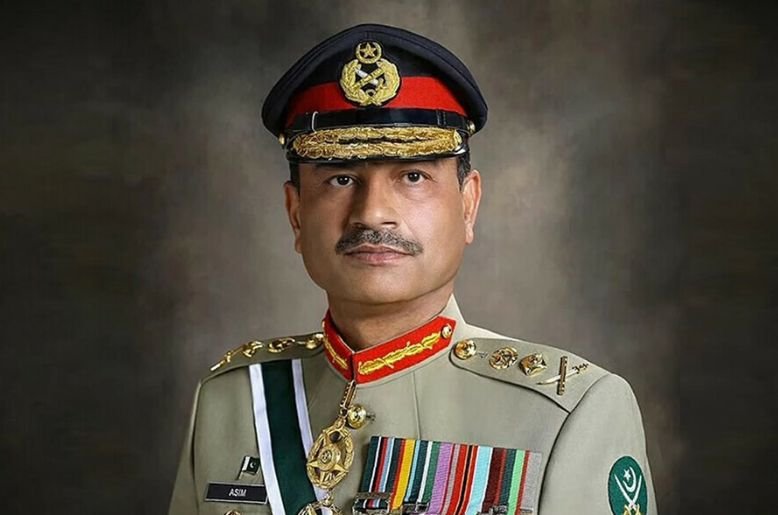
Instead of addressing its domestic problems, India continues to focus on Pakistan and Field Marshal Syed Asim Munir.
According to diplomatic sources, India’s military setback during Marka-e-Haq continues to affect its international standing.
It argues that reports about the confrontation repeatedly revive questions about India’s military capabilities and the performance of its French-made Rafale fighter jets.
A recent report by British publication Global Flight reportedly put India’s Rafale inventory at 32 aircraft, compared with an earlier figure of 36.
Pakistan maintains that four Rafale jets were downed during Marka-e-Haq. India has not officially confirmed the figures cited in the report.
Instead of responding to the report, Indian representatives at international forums, including the United Nations, have raised Pakistan’s internal matters, officials in Islamabad said.
Field Marshal Asim Munir’s International Role
Field Marshal Asim Munir’s growing diplomatic profile and Pakistan’s international engagement is also giving India sleepless nights.
His diplomatic efforts, including those concerning tensions between the United States and Iran, have attracted international attention.
Several global powers, including the United States, European countries, Russia and China, are increasingly engaging with Pakistan on defence and strategic cooperation, as per diplomatic sources.
The assessment contrasts this diplomatic engagement with India’s position following Marka-e-Haq.
India’s Statements on Pakistan’s Internal Affairs
India’s recent statements concerning Pakistan’s domestic political and security matters have also drawn criticism.
New Delhi’s comments on the possible imposition of governor’s rule in Khyber Pakhtunkhwa and Pakistan’s mineral resources as interference in Islamabad’s internal affairs.
It argues that matters relating to provincial governance and mineral development fall within Pakistan’s domestic jurisdiction.
The assessment further links India’s position on Pakistan’s mineral resources to narratives promoted by groups it describes as hostile to the country, including the Pashtun Tahafuz Movement (PTM) and militant organisations.
It alleges that India’s involvement in such narratives supports Pakistan’s position regarding alleged Indian involvement in terrorism inside the country.
Pakistan’s Mineral Potential Attracts International Interest
The growing international interest in Pakistan’s mineral sector is another development highlighted in the assessment.
It argues that international investors’ interest in Pakistan’s mineral resources has added to India’s concerns.
Pakistan has been seeking foreign investment to develop its mineral reserves and turn its natural resources into a major source of economic growth.
Pakistan’s expanding diplomatic engagement, defence cooperation and mineral investment opportunities have strengthened its international position, the sources believe.