
Muslims are expected to begin fasting on the evening of Wednesday 18 February 2026, and they will continue until the evening of Thursday 19 March 2026. However, these dates depend on the sight of the moon. Muslims in Pakistan and around the world eagerly await this holy month. Ramadan is a time for fasting, prayer, reflection, and charity.
This article provides a detailed guide on the first Ramadan 2026. You will find daily sehri and iftar timings, preparation tips, and insights to make the month spiritually rewarding. The content is written in simple English for easy understanding.
Understanding the first Ramadan 2026
Ramadan is the ninth month of the Islamic calendar. It is the month in which the Quran was revealed. Fasting during Ramadan is one of the five pillars of Islam. Adults are required to fast from dawn to sunset.
The first Ramadan 2026 marks the beginning of this sacred month. Muslims begin fasting on this day after sighting the crescent moon. Families gather for sehri before sunrise and iftar after sunset.
Expected dates and moon sighting
In 2026, Muslims will begin the month on 18 February, but local moon sighting will determine the exact date. Religious authorities in Pakistan confirm the start based on sighting reports.
The month will last 29 or 30 days. Ramadan will end on the evening of 19 March 2026, followed by the celebration of Eid-ul-Fitr. Learn more about the expected start of Ramadan in Pakistan by reading our full news on When will be first of Ramadan in Pakistan: expected date revealed.
Moon sighting is important for marking the beginning and end of Ramadan. Muslims often check announcements from mosques and official committees to confirm the exact dates.
Daily sehri and iftar schedule
Daily sehri and iftar timings are essential for Muslims during first Ramadan 2026. Sehri is the pre-dawn meal that helps sustain fast during the day. Iftar is the meal to break the fast at sunset.
Timings vary by city. In Pakistan, major cities like Karachi, Lahore, Islamabad, Quetta, and Peshawar have slightly different timings due to sunrise and sunset times.
For a blessed and comfortable fast, it is recommended to wake up on time for sehri and break the fast promptly at iftar. Drinking water and eating nutritious food are important to maintain energy throughout the day.
Spiritual significance of first Ramadan 2026
The first day of Ramadan is spiritually significant. It sets the tone for the entire month. Muslims aim to increase worship, read the Quran, and perform good deeds.
Prayer, charity, and self-discipline are emphasized. Many people make personal goals for fasting, controlling anger, and helping the needy. The first day reminds Muslims to focus on patience, gratitude, and spiritual growth.
Tips for preparing for the first Ramadan 2026
Preparation before Ramadan helps in performing fasting properly.
Start by adjusting your sleep schedule to wake up early for sehri. Plan your meals with balanced nutrition. Avoid heavy and oily foods that can cause fatigue during fasting hours.
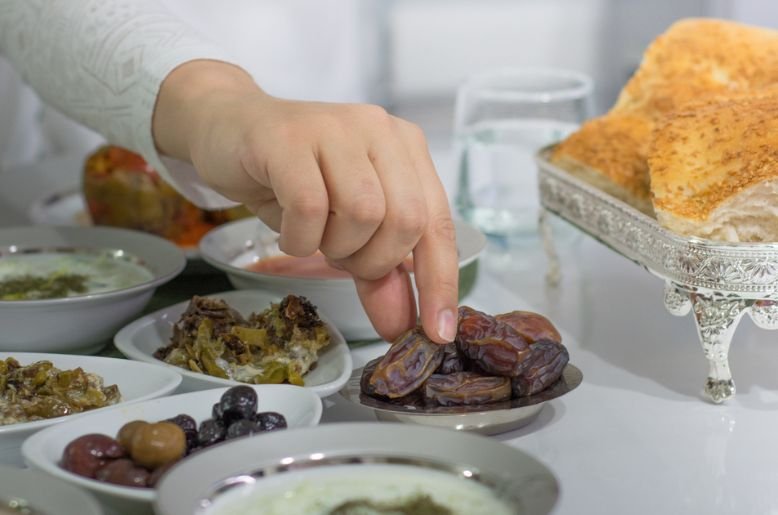
Stock essential items for iftar, including fruits, dates, and water. Dates are traditionally eaten first to break the fast. Focus on prayer times and plan Quran recitation for the month.
Mental preparation is also important. Fasting requires patience and self-discipline. Start gradually practicing shorter fasting periods to adjust your body.
Importance of charity and good deeds
Charity is a major part of Ramadan. Giving zakat and sadaqah is encouraged, especially during this month. Helping the poor, feeding the needy, and supporting family members are considered valuable deeds.
During first Ramadan 2026, many families and organizations organize charity drives. Participating in such activities enhances spiritual rewards and builds community support.
Health and fasting tips
Fasting requires care, especially for people with health conditions.
Drink enough water during sehri and iftar to prevent dehydration. Eat a balanced diet with proteins, carbohydrates, and vitamins. Avoid excessive sugar or caffeine that can lead to fatigue.
Light physical activity like walking helps maintain energy. Seniors, children, and people with medical conditions should consult a doctor before fasting.
Ramadan routines and productivity
Planning daily routines can help balance work, prayer, and rest. Many people adjust their schedules to perform prayers and Quran recitation.
Short naps can boost energy levels. Work and school tasks can be completed efficiently by prioritizing important activities. Planning meals in advance reduces stress during fasting.
Celebrating first Ramadan 2026 with family
Ramadan is a time for family bonding. Sharing sehri and iftar meals brings families together. Parents can teach children the significance of fasting.
Special prayers and activities can be organized at home or at the mosque. The first day sets the tone for a disciplined and spiritual month. Celebrating with love, patience, and understanding strengthens relationships.
Looking forward to Eid-ul-Fitr
The last day of Ramadan leads to Eid-ul-Fitr celebrations. Muslims pray Eid prayers, exchange greetings, and share meals with family and friends.
Planning for Eid starts during Ramadan. Charity and gifts are prepared in advance. The first day of Ramadan marks the beginning of this journey, making every day valuable and rewarding.
Frequently asked questions
When is the first Ramadan 2026?
It is expected to start on the evening of Wednesday 18 February 2026.
How long will Ramadan 2026 last?
Ramadan 2026 will last 29 or 30 days be depending on moon sighting.
What is sehri and iftar?
Sehri is the pre-dawn meal before fasting, and iftar is the meal to break the fast at sunset.
Do timings vary by city?
Yes, sehri and iftar timings are different for cities like Karachi, Lahore, Islamabad, Quetta, and Peshawar.
Why is the first day of Ramadan important?
It sets the spiritual tone for the month and encourages patience, discipline, and devotion.


