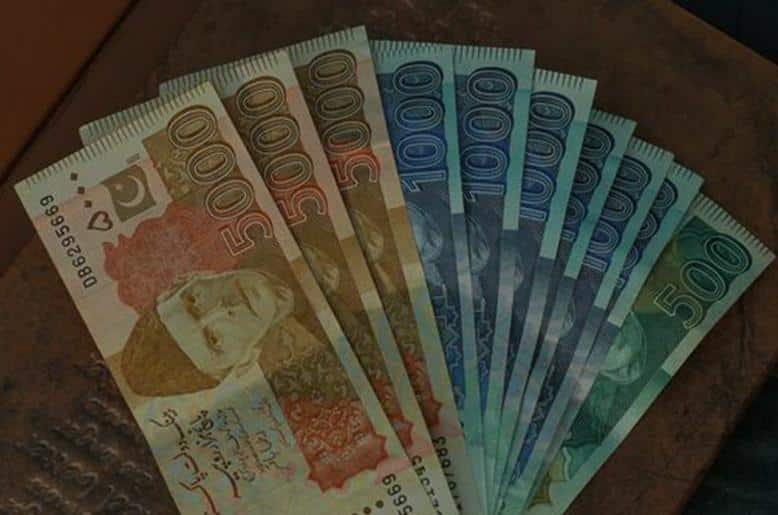
The government of Pakistan retired Rs299.01bn in debt during the week ended March 27, 2026, according to the State Bank’s latest weekly data. Despite this repayment, total net borrowing for the ongoing fiscal year has reached Rs928.8bn.
The central bank’s figures show that government borrowing is tracked under three main heads: budgetary support, commodity operations and others. During the reported week, the largest reduction came under budgetary support, where Rs298.17bn was paid back.
A smaller amount of Rs628m was retired under commodity operations, while Rs214m was cleared under other categories.
Looking at the broader picture for fiscal year 2026, borrowing patterns remain mixed. The government has taken Rs973.61bn for budgetary support so far. At the same time, it has reduced liabilities by Rs43.36bn in commodity operations and Rs1.45bn under other heads.
The data also highlights how the government is managing its financing through different sources.
The State Bank of Pakistan and commercial banks remain the two main channels for budgetary support. Over the current fiscal year, the government has made a significant net repayment of Rs1.69tr to the central bank.
A closer breakdown shows that the federal government alone retired Rs2.14tr to the central bank. In contrast, provincial governments borrowed Rs504.39bn during the same period. Meanwhile, the governments of Azad Jammu and Kashmir and Gilgit-Baltistan reduced their debt by Rs25.12bn and Rs27.39bn respectively.
On the other hand, borrowing from commercial banks has moved in the opposite direction. The government has raised a net Rs2.66tr from scheduled banks so far this fiscal year.
Within this, the federal government borrowed Rs2.9tr, while provincial governments reduced their exposure by Rs240.25bn.
The latest figures suggest that while the government is retiring debt on one side, it continues to rely on commercial banks to meet its financing needs.
Read next: Pakistan cuts borrowing with Rs5.84bn weekly debt repayment