
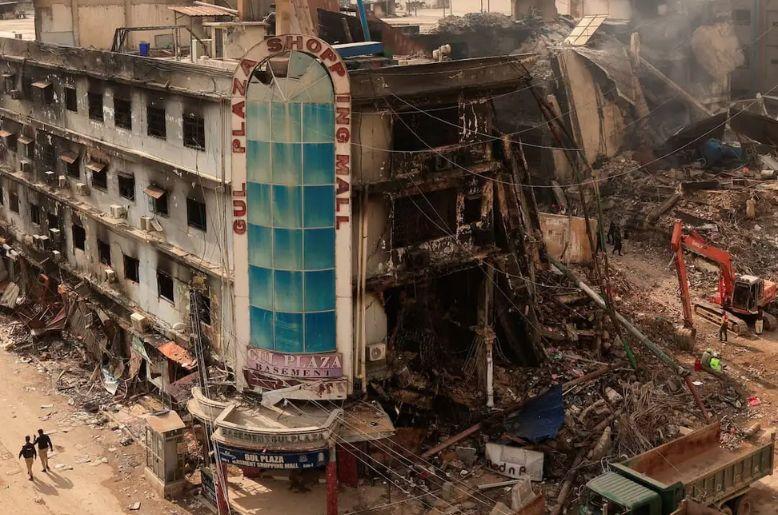
Karachi beats with the heart of commerce. Millions of people buy and sell goods every single day. One specific location stands out in the Saddar area. That location is a gul plaza.
This massive building served as a giant center for wholesale trade for decades. Shopkeepers from all over Pakistan visited this market to buy inventory. They trusted the market for its huge variety and low prices.
This post will walk you through the rich history of this famous market. We will look at its immense commercial value. We will also carefully review the heartbreaking fire incident of January 2026. You will learn important safety lessons that every commercial building must adopt.
The rich history of the market
The building first opened its doors many years ago. It started as a promising project in 1979. Over the years, the government approved multiple expansions and revised plans.
By the early 2000s, it gained full legal status as a major commercial center. The complex covered over 70,000 square feet of prime real estate on Muhammad Ali Jinnah Road. This central location made it perfectly easy to reach for local and visiting traders.
The structure contained three main floors, a mezzanine, and a large basement. It houses about 1,200 different shops. Thousands of people walked through its six to eight feet wide corridors daily.
Growing into a giant market
The market grew rapidly because it offered everything under one roof. Small business owners loved the convenience. They could park their trucks nearby and load huge amounts of goods quickly.
The building management added industrial gas connections and large chillers. They wanted to keep the massive crowds cool during the hot Karachi summers. It truly became a city within a city.
What makes it a shopping paradise?
People loved shopping here for two main reasons. First, the prices remained unbeatable. Second, the variety amazed everyone who walked inside.
If you wanted to start a small business, you came here first. You could buy items in bulk for pennies and sell them for a good profit. The entire economy of small retail shops in Karachi depended on this single supply chain.
Garments and electronics galore
The market gained fame mainly for two product categories. The garment section offered massive bundles of unstitched cloth and ready-to-wear dresses. Shopkeepers from rural areas bought these clothes to sell in their village shops.
The electronics section stayed equally busy. You can find imported home appliances, mobile phone accessories, and computer parts. Traders also sold massive amounts of cosmetics, artificial jewelry, and household plastics.
The dark day of January 2026
The lively spirit of the market completely shattered on 17 January 2026. A massive fire broke out late at night. This terrible event claimed 80 precious lives and injured dozens more.
The tragedy started with a simple, careless mistake. An unattended young boy played with a matchstick inside a ground floor shop. The match fell onto highly flammable artificial flowers.
The flames grew instantly. The fire sucked into the air conditioning ducts and raced to the upper floors. The building quickly turned into a deadly trap for the shopkeepers still inside.
How the tragedy unfolded
Most shops are prepared to close for the night. Many shopkeepers locked their metal shutters and iron grilles. Thirteen out of the sixteen main exits remained tightly locked.
The trapped people had nowhere to run. The fire reached extreme temperatures up to 1,200 degrees Celsius. The thick smoke filled the narrow corridors and caused severe suffocation.
Emergency teams arrived but faced horrible challenges. They lacked basic tools like gas masks and heavy lock cutters. The local power company cut the electricity, leaving the trapped victims in total darkness.
Critical safety lessons learned
We cannot ignore the clear safety failures of this tragic night. The building lacked basic fire protection systems. It had no fire hoses, smoke alarms, or automatic water sprinklers.
Every commercial building must have clear, unlocked emergency exits at all times. Locking doors while people remain inside is a fatal mistake. Human life holds much more value than protecting inventory from theft.
The need for emergency equipment
The tragedy exposed massive flaws in city rescue operations. Firefighters must possess the right gear to save lives. They need oxygen masks, modern snorkels, and heavy rescue tools to break through walls.
The building also failed basic inspections previously. Authorities noticed missing safety features but did not take strict action. We must strictly enforce building codes to prevent such horrific loss of life again.
Balancing hustle and human life
Karachi thrives on commercial hustle. People work extremely hard to earn a living. However, we often ignore basic safety rules to save a little money or time.
A shop owner might block a window with extra boxes of inventory. The management might turn off emergency lights to save electricity. These small choices create massive disasters.
We must change our mindset. Safety is not a luxury. Safety is a fundamental human right for every worker and shopper.
Moving forward safely
The government promised heavy compensation for the victims. They also set up temporary stalls so survivors could restart their businesses. A high court judge led a detailed inquiry to find the exact causes of the failure.
However, money cannot bring back the dead. We must honor their memory by building safer commercial spaces. Every new plaza must pass strict fire safety tests before opening. Looking for more local news? Read how the government fined multiple marriage halls for serious violations in a major crackdown that has caught everyone’s attention.
Conclusion
The story of the market brings both pride and deep sadness. It shows the incredible business spirit of the Pakistani people. It also serves as a permanent warning about the cost of negligence.
We must demand safer buildings. You should always check for emergency exits when you enter a large crowded market. Speak up if you see locked escape routes or blocked stairs. Together, we can make our shopping centers safe for everyone.
Frequently asked questions
Q1. Where is this wholesale market located?
The market is located on Muhammad Ali Jinnah Road in the Saddar area of Karachi.
Q2. What types of products do shopkeepers sell there?
Traders mostly sell wholesale garments, electronics, cosmetics, artificial jewelry, and household goods.
Q3. What caused the tragic fire in January 2026?
An unattended child accidentally dropped a lit matchstick onto flammable artificial flowers inside a ground floor shop.
Q4. Why did so many people fail to escape the fire?
Most of the emergency exits were securely locked, and the building lacked proper emergency lighting and fire alarms.
Q5. What did the government do for the affected shopkeepers?
The government offered financial compensation to the families and provided temporary stalls for traders to resume work.
