
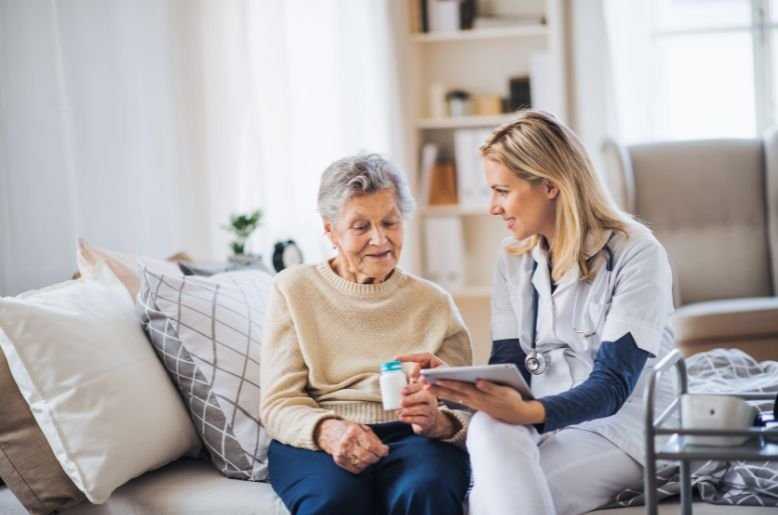
When you or a loved one needs help at home, you might hear the terms “home health aide” and “caregiver.” Many people use these titles to mean the same thing. However, they are two different roles with unique responsibilities and training. Understanding the distinction is important for getting the right kind of support.
Choosing the right person to provide care can feel overwhelming. You want someone qualified, compassionate, and trustworthy. This article will explain the key differences between a home health aide and a caregiver. We will look at their specific duties, the training they receive, and when you might need one over the other. This guide will help you make a clear and confident decision for your family’s needs.
What is a Home Health Aide?
A home health aide, often called an HHA, provides basic medical care to clients in their homes. These professionals work under the supervision of a registered nurse or another licensed medical professional. A home health aide is a crucial part of a larger healthcare team. Their work is usually directed by a doctor’s care plan.
The main focus of a home health aide is to help patients with health-related tasks. They often assist individuals who are recovering from surgery, illness, or injury. They also support people with chronic conditions or disabilities. The goal is to provide a level of care that helps the patient stay safely at home instead of in a hospital or nursing facility.
Key Duties of a Home Health Aide
The tasks of a home health aide are hands on and directly related to the client’s health. Their duties are specific and require a certain level of training.
A home health aide typically helps with:
- Checking vital signs like blood pressure, pulse, and temperature.
- Assisting with prescribed exercises or physical therapy routines.
- Helping with medications, such as reminding clients to take them at the right time. In some states, they may be allowed to administer certain medicines.
- Caring for wounds and changing dressings as instructed by a nurse.
- Assisting with medical equipment, like oxygen tanks or catheters.
- Observing the client’s condition and reporting any changes to their supervisor.
- Providing personal care, including bathing, dressing, and grooming.
They bridge the gap between a licensed nurse and a non-medical caregiver. They ensure the patient follows their prescribed medical plan every day.
Training and Certification for a Home Health Aide
To become a home health aide, a person must complete specific training and often obtain certification. Federal law requires HHAs who work for agencies receiving Medicare or Medicaid funds to complete at least 75 hours of training. This training includes both classroom learning and supervised practical experience.
The training covers topics like basic medical care, patient rights, infection control, and safety procedures. After completing the training, they must pass a competency exam to become certified. This certification shows they have the skills needed to provide safe and effective care. These requirements ensure that a home health aide is prepared for their important responsibilities.
What is a Caregiver?
A caregiver, sometimes called a personal care aide or companion, provides non medical support. Their primary role is to help individuals with daily living activities. Caregivers assist people who need help due to age, disability, or other challenges, but do not require hands on medical care.
The focus of a caregiver is on companionship, safety, and household support. They help clients maintain their independence and quality of life at home. A caregiver’s work can be very flexible and is tailored to the specific needs of the person they are helping. They provide emotional support and make sure the home environment is safe and comfortable.
Key Duties of a Caregiver
The responsibilities of a caregiver are centered on daily life and well-being. Their tasks are non clinical.
A caregiver often helps with:
- Companionship and social interaction to prevent loneliness.
- Preparing meals and helping with feeding if needed.
- Light housekeeping, such as laundry, tidying up, and washing dishes.
- Running errands like grocery shopping or picking up prescriptions.
- Providing transportation to appointments or social events.
- Assisting with personal care, including bathing and dressing (similar to an HHA).
- Reminding clients to take their medication, but not administering it.
- Helping with mobility, such as moving around the house.
Caregivers offer vital support that allows seniors and others to live comfortably and safely in their own homes.
Training for a Caregiver
The training requirements for caregivers are less formal than for a home health aide. In many states, there is no mandatory certification to work as a private caregiver. However, reputable home care agencies usually have their own training programs.
This training often covers topics like communication skills, safety procedures, emergency response, and the basics of personal care. Some caregivers choose to get voluntary certifications, such as a Certified Companion Aide (CCA), to improve their skills. While not medical professionals, dedicated caregivers are skilled in providing compassionate and reliable support.
Comparing a Home Health Aide and a Caregiver
The easiest way to understand the difference is to think about their main purpose. A home health aide handles clinical, health-related tasks. A caregiver handles non-clinical, lifestyle-related tasks.
| Feature | Home Health Aide | Caregiver |
| Main Focus | Medical and health support | Non medical, daily life support |
| Supervision | Supervised by a nurse or doctor | Often works independently or for an agency |
| Core Tasks | Vitals, medication help, wound care | Companionship, meals, errands |
| Training | Formal training and certification required | Training varies; often not certified |
| When to Hire | For recovery or managing a medical condition | For help with daily living and companionship |
Think of it this way: if a doctor prescribes the service, you likely need a home health aide. If you need help with daily routines and want someone to provide company, a caregiver is the right choice.
How to Choose the Right Support for Your Needs
Making the right choice starts with a clear assessment of what is needed.
1. Evaluate Medical Needs: Does the person require help with medications, wound care, or physical therapy? Do they have a complex health condition that needs monitoring? If the answer is yes, a certified home health aide is the appropriate choice. A doctor’s recommendation is often the first step in this process.
2. Consider Daily Living Activities: Does the person mainly need help with cooking, cleaning, and getting around? Is loneliness a concern? If the primary needs are companionship and help with household tasks, a caregiver is a better fit.
3. Think About the Future: A person’s needs can change over time. Someone who only needs a caregiver now might require a home health aide later. Some agencies offer both types of services, making it easy to adjust the level of care as needed.
It is possible to use both services at the same time. For instance, a home health aide might visit a few times a week for medical tasks, while a caregiver provides daily help with meals and companionship. This team approach can offer complete support.
Working with a reputable agency can simplify the process. They can help you assess your needs and match you with the right professional. They also handle background checks, training, and scheduling, giving you peace of mind.
Frequently Asked Questions
1. Can a caregiver give medicine?
No, a caregiver can usually only provide reminders to take medication. A home health aide may be able to administer medication in some states, following a nurse’s instructions.
2. Is a home health aide covered by insurance?
Services from a home health aide are often covered by Medicare, Medicaid, and private insurance if they are deemed medically necessary and prescribed by a doctor.
3. How much does a home health aide cost?
The cost varies by location and the level of care needed. Since they have specialized training, a home health aide typically costs more per hour than a non-medical caregiver.
4. Can I hire a home health aide directly?
Yes, but hiring through a licensed agency is often safer. Agencies ensure that aides are certified, insured, and have passed background checks.
5. What is the main difference in one sentence?
A home health aide provides basic medical care under a nurse’s direction, while a caregiver provides non-medical help with daily activities and companionship.


