
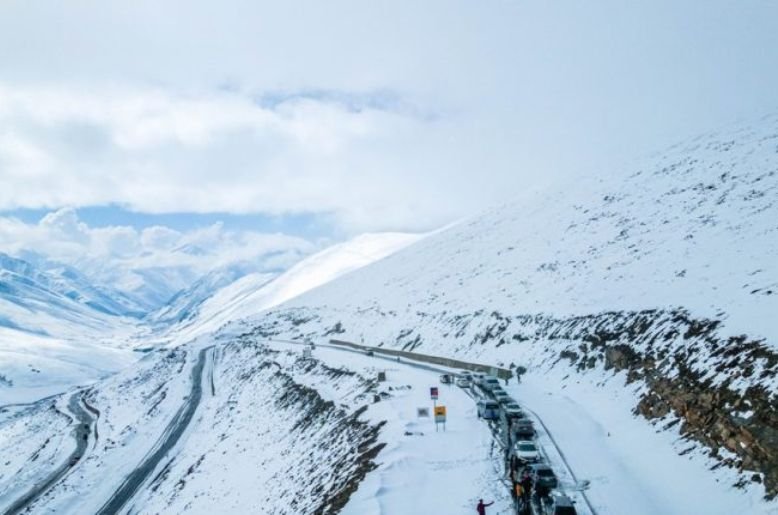
Babusar Top is one of the most beautiful mountain passes in Pakistan. It connects the Kaghan Valley with Gilgit Baltistan. Many travelers dream of visiting this high-altitude wonder. Before you plan your trip, it is very important to understand the local conditions. The Babusar Top weather is known for being extreme and unpredictable. It can change very quickly, turning a sunny day into a cold, windy one in minutes.
Knowing about the weather patterns throughout the year will help you plan a safe and enjoyable journey. This guide provides a detailed look at the Babusar Top weather in every season. We will explore what to expect during summer, autumn, winter, and spring. This information will help you choose the best time to visit and what you need to pack for your adventure.
Understanding Babusar Top’s High Altitude Climate
Babusar Pass sits at an elevation of 4,173 meters (13,691 feet). At such a high altitude, the weather is very different from the cities. The air is thinner, which means it cannot hold heat well. This is why temperatures can drop suddenly, even in the middle of summer. The high altitude also means stronger winds and more intense sunlight.
The Babusar Top weather is a classic example of an alpine climate. Winters are long and harsh, with heavy snowfall. Summers are short and cool. The pass is usually closed for about eight months of the year due to snow. It typically opens for a brief window from June to September. This short season is when most tourists visit. Understanding this climate is the first step to preparing for your trip.
Summer Season (June to August): The Best Time to Visit
The summer months are the peak season for tourism at Babusar Top. This is when the road to the pass is cleared of snow and officially opened for traffic. The Babusar Top weather during this period is the most pleasant you will find all year.
What to Expect in Summer
In June, the pass has just opened. You will likely see large walls of snow on the sides of the road. The landscape is a beautiful mix of green meadows and white snow patches. Daytime temperatures are cool and comfortable. They usually range from 10°C to 18°C. The sun can be quite strong, so it feels warmer. However, the nights are cold, often dropping close to freezing point.
As July and August arrive, most of the snow melts away, revealing lush green scenery. This is the warmest time of year. Daytime temperatures can reach up to 20°C on a clear, sunny day. This is also the monsoon season in the lower Kaghan Valley. While Babusar Top itself gets less rain, the weather can become cloudy and foggy. Sudden rain showers are common, so you must be prepared.
Even in summer, the Babusar Top weather can be unpredictable. Strong, chilly winds can pick up at any time. It is wise to check the local forecast before you travel from Naran or Chilas. Always carry layers of clothing.
Autumn Season (September to October): A Time of Transition
Autumn at Babusar Top is very short but incredibly beautiful. The season brings a dramatic change to the landscape and the weather. It is a quiet time, as the summer crowds start to decrease.
The Cold Creeps In
In September, the Babusar Top weather starts to get colder. The lush green colors of summer fade to shades of yellow, orange, and brown. Daytime temperatures become cooler, averaging between 5°C and 12°C. The nights get much colder, with temperatures regularly falling below 0°C. The first signs of winter begin to appear.
By early October, the chance of snowfall increases significantly. The weather becomes very unreliable. The pass can close at any time due to an early snowstorm. This makes planning a trip in October risky. The authorities monitor the weather closely and will close the road for safety.
If you are lucky enough to visit in early September, you will experience stunningly clear skies. The visibility is often excellent, offering breathtaking views of the surrounding peaks. However, the cold is a serious factor. You will need warm jackets, gloves, and hats to stay comfortable.
Winter Season (November to April): Buried in Snow
Winter completely transforms Babusar Top. From November onwards, heavy snowfall covers the entire area. The pass becomes inaccessible and is officially closed to all traffic. The Babusar Top weather during winter is extremely harsh.
A Frozen World
Temperatures at Babusar Top in winter are severe. They can plummet to as low as minus 20°C or even colder, especially at night. The area receives several feet of snow, which piles up and blocks the road completely. Strong, freezing winds are a constant feature. Living conditions are impossible for anyone except the hardiest of locals in nearby low-lying villages.
There is no tourist activity during these months. The road from both the Kaghan side and the Chilas side remains blocked. It is a time when nature reclaims the high pass. The landscape is a vast, silent expanse of white. The pass remains buried under this thick blanket of snow until the clearing operations begin in late spring. Any attempt to reach the area during winter is extremely dangerous and not advised.
Spring Season (May to Early June): The Thaw Begins
Spring at Babusar Top is a slow and gradual process. It is a season of melting snow and reawakening life. The pass itself remains closed for most of spring, but the process of reopening begins.
The Road to Reopening
In May, the snow-clearing operations usually start. Heavy machinery is brought in to cut through the massive snowdrifts. This is a difficult and time-consuming task. The Babusar Top weather in May is still very cold. Daytime temperatures might rise above freezing, but nights are still bitterly cold. The risk of avalanches is high as the snow begins to melt.
By early June, the road is often clear. However, the pass may not be officially open yet. The authorities need to ensure the road is safe for public travel. There might still be icy patches and the threat of landslides. The landscape is a stunning sight, with towering walls of snow lining the newly cleared road.
For travelers, late May or early June can be a tempting time to try and visit. However, you must always follow official announcements. The opening date of the pass depends entirely on the Babusar Top weather and road conditions. It is better to wait for the official green light before planning your journey.
While exploring how Babusar Top weather changes throughout the year, travelers should also stay updated on road conditions.
Frequently Asked Questions
1. What is the best month to visit Babusar Top?
The best time to visit is from mid-June to early September. During these months, the weather is most pleasant, and the pass is reliably open.
2. How cold does it get at Babusar Top in summer?
Even in summer, night temperatures can drop near freezing (0°C). Daytime temperatures are usually between 10°C and 20°C. However, it can feel colder with the wind.
3. Is Babusar Top open in May?
Usually, Babusar Top is closed in May. The snow-clearing work is in progress, and the pass typically opens for tourists in June.
4. Can I see snow at Babusar Top in summer?
Yes, especially in June, you can see large amounts of snow on the mountainsides and along the road. Even in July, some snow patches may remain at higher points.
5. What should I wear for a trip to Babusar Top?
You should always wear layers. A warm jacket, sweaters, a hat, and gloves are essential, even in summer, as the weather can change quickly.


