
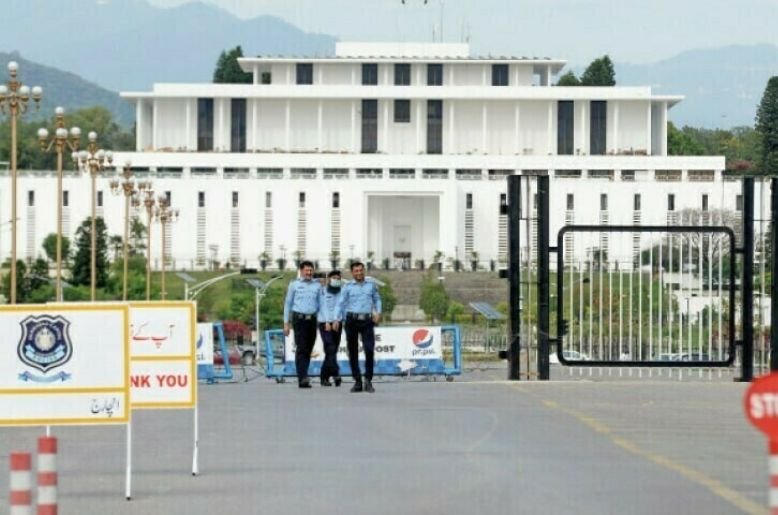
Islamabad: The President of Pakistan is the head of state and his approval is required for some important tasks, such as constitutional amendments.
After the 18th Amendment, the role of the President is largely symbolic, but the method of his election is clear in the constitution.
Electoral College and Vote Formula
The President is elected by the Electoral College, which includes members of the Senate, National Assembly and the four provincial assemblies.
But not every vote is worth the same.
Each member of the Senate, National Assembly and Balochistan Assembly has one vote.
The votes of Punjab, Sindh and Khyber Pakhtunkhwa are equalized using a special formula so that the larger provinces do not dominate the smaller provinces.
Requirements for becoming president
The president must be a Muslim, be at least 45 years old, and be eligible to become a member of the National Assembly.
Nomination and scrutiny
Candidates submit their papers in person or through a representative. The papers are then scrutinized to ensure that only eligible candidates participate in the election.
Method of election
The Election Commission oversees the entire process. Members of the National Assembly and Senate vote in Parliament House, and provincial members vote in their assemblies.
All polling takes place simultaneously.
Role of the President
The president is the head of state and a symbol of national unity. In practice, he makes decisions on the advice of the prime minister.
The approval of laws, the issuance of ordinances, the appointment of judges, governors, and important positions are all on the advice of the prime minister.
If the president does not sign a bill within seven days, it automatically becomes law.
The president’s powers are limited, but constitutionally this position is very important.


