
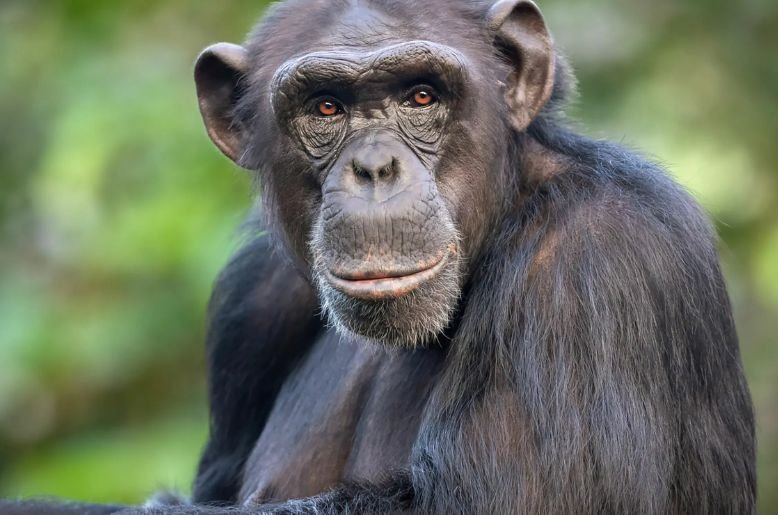
Chimpanzees are fascinating creatures known for their intelligence and close genetic relationship to humans. They are not just animals; they are problem solvers, social beings, and tool users. Found mainly in the forests of Africa, chimpanzees have amazed scientists and researchers with their incredible mental abilities. This article explores the intelligence of chimpanzees, their behaviors, and what makes them so unique.
What Are Chimpanzees?
They are primates and belong to the great ape family. Their scientific name is Pan troglodytes. They share about 98% of their DNA with humans, making them our closest relatives in the animal kingdom. Chimpanzees are native to Africa and are found in countries like Congo, Uganda, and Gabon.
These intelligent animals live in groups called communities, which can range from 20 to over 100 members. They are highly social and rely on each other for survival. Chimpanzees communicate using facial expressions, gestures, and vocalizations, showing their advanced social skills.
How Intelligent Are Chimpanzees?
They are considered one of the most intelligent animals on Earth. Their intelligence is evident in their ability to use tools, solve problems, and learn new skills. Here are some key aspects of their intelligence:
Tool Use
Chimpanzees are known for their ability to use tools. They use sticks to extract termites from mounds, stones to crack open nuts, and leaves to collect water. This behavior shows their ability to think ahead and solve problems.
Problem-Solving Skills
Chimpanzees can solve complex problems. In experiments, they have been observed using creative methods to access food or escape enclosures. Their ability to think critically and adapt to new situations highlights their intelligence.
Memory
They have excellent memory skills. Studies have shown that they can remember the location of hidden objects and even recognize faces after many years. Their memory is often compared to that of young human children.
Learning and Imitation
Chimpanzees learn by observing others. Young chimpanzees watch their mothers and other group members to learn how to use tools and find food. This ability to imitate and learn from others is a sign of advanced cognitive abilities.
Communication
They use a variety of sounds, gestures, and facial expressions to communicate. They can express emotions like happiness, anger, and fear. Some chimpanzees in captivity have even learned basic sign language, further proving their intelligence.
Social Behavior
Chimpanzees are highly social animals. They live in communities with a clear hierarchy. The dominant male, known as the alpha, leads the group and makes important decisions. Social bonds are crucial for them, and they spend a lot of time grooming each other to strengthen relationships.
Chimpanzees also show empathy and cooperation. They have been observed comforting distressed group members and sharing food. These behaviors indicate a deep understanding of social dynamics and emotions.
How Do They Compare to Humans?
Chimpanzees and humans share many similarities, but there are also key differences. Here’s a comparison:
- Genetics: They share about 98% of their DNA with humans. This genetic similarity explains why they exhibit behaviors and intelligence similar to humans.
- Brain Size: While chimpanzees have smaller brains than humans, their brains are highly efficient. They can perform tasks that require memory, problem-solving, and planning.
- Language: Humans have complex language skills, while chimpanzees rely on gestures, sounds, and facial expressions. However, some chimpanzees in captivity have learned basic sign language, showing their potential for communication.
- Tool Use: Both humans and chimpanzees use tools, but humans have taken this ability to a much higher level. This type of animal use simple tools, while humans create complex machines and technology.
- Social Structure: Both species live in social groups, but human societies are more complex. Chimpanzees have a clear hierarchy, while humans have diverse social systems.
For more wildlife insights, check out our deep dive into snow leopards.
Threats to Chimpanzees
Despite their intelligence, chimpanzees face numerous threats in the wild. These include:
Habitat Loss
Deforestation and human activities are destroying the forests where they live. This loss of habitat is one of the biggest threats to their survival.
Hunting
In some regions, chimpanzees are hunted for their meat. This illegal practice has significantly reduced their population.
Diseases
Chimpanzees are vulnerable to diseases, including those transmitted by humans. These diseases can spread quickly and wipe out entire communities.
Climate Change
Changes in weather patterns and temperatures are affecting the availability of food and water for chimpanzees.
Conservation Efforts
Efforts are being made to protect them and their habitats. National parks and wildlife reserves provide safe spaces for them to live and breed. Organizations like the Jane Goodall Institute work to raise awareness and fund conservation projects.
In Pakistan, while chimpanzees are not native, zoos and wildlife centers play a role in educating people about their importance. By learning about them, we can contribute to global efforts to protect them.
What Can We Learn from Chimpanzees?
Chimpanzees teach us valuable lessons about intelligence, social behavior, and survival. Their ability to adapt to challenges and work together shows the importance of cooperation and empathy. By studying them, we can better understand our own behavior and the natural world.
Final Thoughts
They are more than just animals; they are intelligent beings with complex emotions and behaviors. Their ability to use tools, solve problems, and communicate makes them one of the most fascinating species on Earth. Protecting chimpanzees is not just about saving a species; it’s about preserving a part of our shared history and understanding the wonders of nature.


