
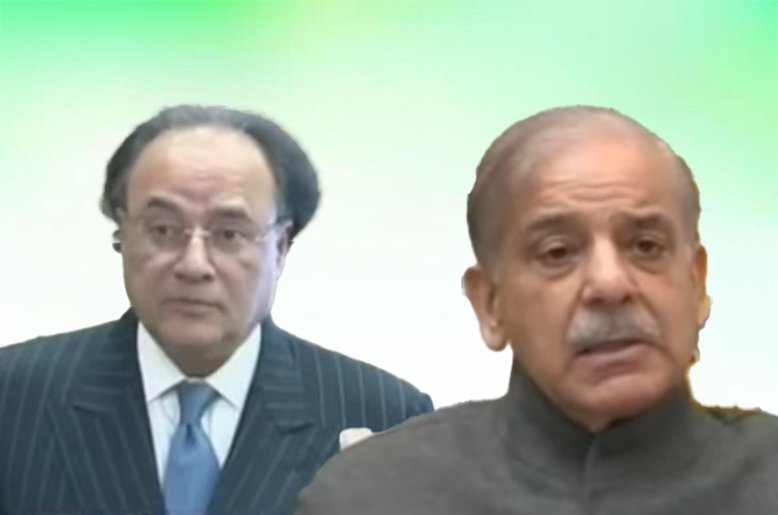
Islamabad: Pakistan’s economic indicators are moving in a positive direction, with inflation falling to the lowest level in the country’s history, Finance Minister Muhammad Aurangzeb said on Wednesday, pointing to progress driven by governance reforms.
Speaking at the launch ceremony of an economic governance reforms initiative in Islamabad, Aurangzeb said the government had prioritised stability, price control and investor confidence amid persistent global and domestic challenges.
Aurangzeb said the government introduced multiple measures to stabilise the economy, curb inflation and improve the overall investment climate. Those steps, he said, helped ease price pressures and laid the foundation for sustainable growth.
As a result, Pakistan recorded historic lows in inflation, providing relief to consumers and businesses while strengthening macroeconomic stability.
Meanwhile, Aurangzeb said economic reforms played a central role in restoring investor confidence. Improved fiscal management allowed Pakistan to meet several debt repayment obligations on time, easing pressure on public finances.
He added that the stock exchange delivered strong performance in 2025, reflecting growing optimism among local and foreign investors.
Despite facing severe economic pressures, including devastating floods again in 2025, Aurangzeb said Pakistan decided not to seek additional assistance from international financial institutions.
Instead, the government relied on internal reforms and disciplined economic management to navigate the crisis, he said.
Aurangzeb acknowledged that significant challenges persist, particularly from climate-related disasters and global economic uncertainty. However, he said improving indicators suggested the economy was on a more stable trajectory.
Going forward, the government remains committed to deepening reforms, maintaining stability and attracting long-term investment, Aurangzeb said.
Prime Minister Shehbaz Sharif, while speaking to Pakistan’s economic reform drive, marked not just the launch of the program but a renewed moment of reflection and resolve.
Addressing an event on economic governance reforms, Sharif said his government inherited an economy in deep crisis when it took office two years ago, facing isolation on the global stage and eroding confidence at home.
Sharif said Pakistan was grappling with severe economic challenges when his administration assumed power. Inflation had surged to nearly 30%, foreign exchange reserves were falling rapidly, and the country stood largely outside the central institutions of global economic activity.
As a result, economic uncertainty deepened and public confidence weakened, he said.
However, Sharif noted that this was not the first time his party, the Pakistan Muslim League-Nawaz, had been entrusted with steering the country out of crisis.
Sharif said no doubt restoring the economy required difficult and sometimes unpopular decisions. The government, he added, acted with a clear objective: to pull Pakistan out of economic distress and place it on a path of stability and sustainable growth.
“This was a moment of economic rescue,” he said, adding that the decisions taken were aimed at long-term strength rather than short-term relief.
According to Shehbaz Sharif, the government eliminated unsustainable subsidies, initiated long-delayed reforms and restored fiscal discipline. It also strengthened public financial management to improve transparency and efficiency.
He said the measures went beyond surface-level adjustments and represented deep, lasting reforms that demanded firm political resolve.
Sharif said the reform agenda reflected the government’s commitment to economic stability and future growth. While challenges remain, he said the steps taken had laid the groundwork for a more resilient and competitive economy.
The prime minister said continued focus on governance reforms would be essential to securing Pakistan’s economic recovery and rebuilding trust at home and abroad.
Read more: Expensive smartphones that proved worth every penny


