
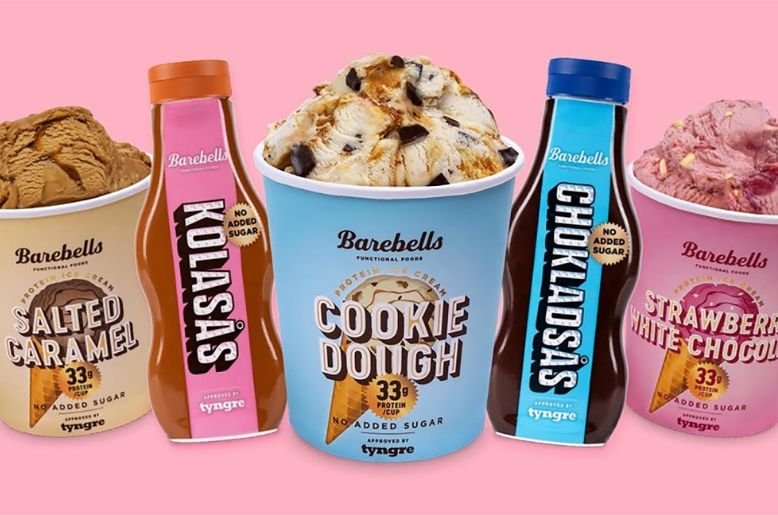
The freezer aisle has a new star. Pint after pint of ice cream now boasts high protein content. These treats promise the joy of a classic dessert with the benefits of a protein shake. It sounds like the perfect combination. But is high protein ice cream actually a healthy choice? The answer is more complex than a simple yes or no.
This guide will look closely at high protein ice cream. We will examine what is inside these popular desserts. We’ll compare them to traditional ice cream and explore the real benefits and potential drawbacks. By the end, you will have a clear understanding of whether this trendy treat fits into a healthy lifestyle.
What is High Protein Ice Cream?
High protein ice cream is a frozen dessert designed to have more protein and often fewer calories than regular ice cream. To achieve this, manufacturers change the classic recipe. They typically reduce sugar and fat while adding protein sources.
The goal is to create a product that tastes like ice cream but has a nutritional profile closer to a fitness food. This appeals to people who want to enjoy a sweet treat without feeling guilty. Brands use different ingredients to boost protein. Some use milk protein concentrate or whey protein, similar to what you find in protein powders. Others use plant-based proteins like soy or pea protein for their vegan options.
How Does It Compare to Regular Ice Cream?
To understand if high protein ice cream is a better choice, we need to compare it to the original. Let’s look at the key nutritional differences.
Protein Content
This is the most obvious difference. A serving of high-protein ice cream can contain anywhere from 10 to 20 grams of protein. A whole pint might offer over 40 grams. In contrast, a serving of regular ice cream usually has about 2 to 5 grams of protein. The extra protein helps with muscle repair and can make you feel fuller for longer. This feeling of fullness, or satiety, might help prevent overeating.
Sugar and Sweeteners
Traditional ice cream is famous for its high sugar content. A single serving can easily have 20 to 30 grams of sugar. High protein versions dramatically cut this down. Many contain less than 10 grams of sugar per serving.
To keep the sweet taste, companies use alternative sweeteners. Common ones include erythritol, stevia, and monk fruit. These are sugar alcohols or natural zero-calorie sweeteners. While they reduce the calorie count, some people find that sugar alcohols can cause digestive issues like bloating or gas, especially when eaten in large amounts.
Fat and Calorie Count
Fat gives regular ice cream its rich, creamy texture. It is also a major source of its calories. High protein ice cream usually contains much less fat. This is a big reason why it has fewer calories. A pint of regular premium ice cream can have over 1,000 calories. A pint of high-protein ice cream often has between 280 and 400 calories. This significant calorie difference is a major selling point for those watching their weight.
Ingredients and Additives
To make up for the lack of fat and sugar, these products often contain more ingredients. You might find gums, like guar gum or xanthan gum, which help create a creamy texture. They also use various fibers and stabilizers. While these ingredients are generally considered safe, some people prefer foods with shorter, more natural ingredient lists. Regular ice cream, especially from premium brands, can have a very simple recipe: milk, cream, sugar, and flavorings.
The Potential Health Benefits
Choosing high protein ice cream can offer several advantages, especially when compared to its traditional counterpart.
Supports Fitness Goals
For athletes or anyone active, getting enough protein is key to muscle recovery and growth. A high-protein ice cream can be a tasty way to boost your protein intake after a workout. It serves as a more enjoyable alternative to a typical protein shake.
Helps with Weight Management
Because it is high in protein and lower in calories, this dessert can be a smart choice for people trying to lose or manage their weight. Protein is more satiating than carbohydrates or fats. Eating a serving can help you feel full and satisfied, which may reduce cravings for other, less healthy snacks. The lower calorie count means you can fit it into a calorie-controlled diet more easily.
A Better-for-You Dessert Option
Let’s be clear: it is still ice cream. But if you are choosing between a pint of regular ice cream and a pint of high-protein ice cream, the latter is often the nutritionally superior choice. You get the dessert experience with less sugar, fewer calories, and more protein. This makes it a more balanced treat that is less likely to cause a sugar crash.
The Downsides to Consider
Despite the benefits, there are some potential drawbacks to be aware of.
The “Health Halo” Effect
One of the biggest risks is the “health halo.” When we see a food labeled as “healthy” or “high protein,” we might think it is okay to eat a lot of it. Many people eat an entire pint of high protein ice cream in one sitting because the calorie count on the label seems low. While better than a pint of regular ice cream, it is still a significant number of calories and additives. Portion control remains important.
Digestive Issues
As mentioned earlier, the sugar alcohols used in many brands can cause digestive discomfort for some individuals. Erythritol, a common choice, is generally better tolerated than others, but it can still cause problems for sensitive people. If you notice bloating or an upset stomach after eating it, the sweeteners may be the cause.
Taste and Texture
Let’s be honest: it does not always taste the same as the real thing. The lack of sugar and fat can make high protein ice cream less creamy and dense. Some have a slightly icy or chalky texture. While many brands have improved their recipes over the years, some people will always prefer the rich, decadent taste of full-fat, full-sugar ice cream.
The Final Verdict: Is It Healthy?
High-protein ice cream is not a health food in the same way that broccoli or chicken breast is. It is a processed dessert. However, it can be a healthier alternative to traditional ice cream.
Think of it as a tool. It can help you satisfy a sweet craving without derailing your diet. It can help you meet your protein goals more enjoyably. The key is to view it as a treat, not a staple food. Eating it in moderation is the best approach. A single serving can be a great addition to a balanced diet. Eating an entire pint every night is likely not the best idea.
Ultimately, the choice is yours. By reading the nutrition label and ingredient list, you can make an informed decision. Pay attention to how your body feels after eating it. If it helps you stick to your health goals and you enjoy it, then a high-protein ice cream can certainly have a place in your freezer.
A cafe in Dubai is now offering a truly luxurious coffee experience.
Frequently Asked Questions
1. Can I eat high protein ice cream every day?
While better than regular ice cream, it is best enjoyed in moderation as part of a balanced diet. It is still a processed dessert.
2. Why does high protein ice cream hurt my stomach?
It may be due to the sugar alcohols like erythritol or xylitol used as sweeteners, which can cause digestive issues for some people.
3. Is high-protein ice cream good for weight loss?
It can be. Its lower calorie and higher protein content can help you feel full and stay within your daily calorie goals.
4. Does it taste like real ice cream?
The taste and texture can be different due to less fat and sugar. Many brands are very close, but some people notice a difference.
5. Which is the best high protein ice cream?
The “best” brand depends on your personal taste and dietary needs. Try a few different ones to see which you prefer.


