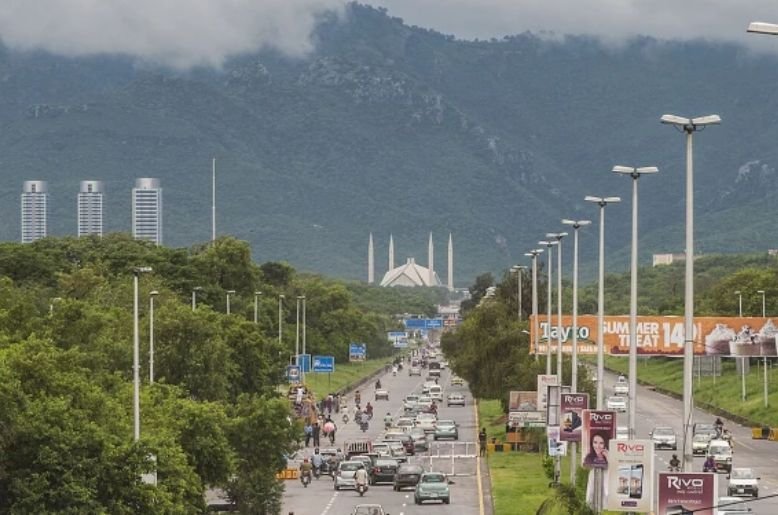
Islamabad’s traffic problems have risen in recent past. To address the increasing traffic congestion in Islamabad, the federal capital is all set to get two new avenues.
The Capital Development Authority (CDA) has announced plans to restart the long-delayed 10th Avenue project and expedite the construction of 11th Avenue.
The project was announced to handle an anticipated increase in vehicles once a new link road connecting Margalla Road to the M-1 Motorway is completed.
The CDA is now completing the tender process for the Margalla Road–M-1 connection, which will eventually join the Rawalpindi Ring Road. Officials warned that this new route could bring heavy traffic loads to Margalla Road and nearby entry points like Srinagar Highway.
The two new major roads, 10th and 11th Avenues, will be major alternative routes for traffic flowing into the city.
During a recent meeting chaired by CDA Chairman Muhammad Ali Randhawa, he stated that the urgency of forward-thinking traffic strategies is increasing as regional road networks expand.
Modern vehicle testing units approved for Islamabad
The Capital Development Authority (CDA) earlier approved the acquisition of five new vehicle testing units. The project aims to improve road safety and reduce inspection backlogs in Islamabad. The move comes as the city experiences a steady rise in registered vehicles, putting pressure on existing facilities.
Upgrading vehicle inspections
The new testing units will use advanced technology to assess roadworthiness and emissions more accurately. Officials say the equipment will identify mechanical faults and excessive emissions efficiently, helping ensure that vehicles meet current safety and environmental standards.
Currently, long queues and delayed inspections have been a frequent complaint from vehicle owners. By increasing the number of operational testing points, the CDA hopes to shorten waiting times and improve the overall inspection process.
Benefits for road safety, environment
Effective vehicle inspections are considered a key measure for reducing road accidents and improving air quality. The new units are expected to enhance the CDA’s ability to enforce traffic regulations and emissions standards.
The technology in the planned units will not only speed up inspections but also improve accuracy, giving motorists confidence in the process while promoting environmental sustainability.
Part of broader reforms
The procurement is part of a wider effort by the CDA to modernise civic services using technology-driven solutions. If implemented efficiently, the new units could set an example for other cities with outdated vehicle inspection systems.
Officials say the initiative represents a shift from temporary fixes to structural reform, reflecting the authority’s long-term strategy to improve urban management, streamline services, and make daily life easier for residents.
Also read: Fact Check: CDA relocated WWI Monument legally, not destroyed