
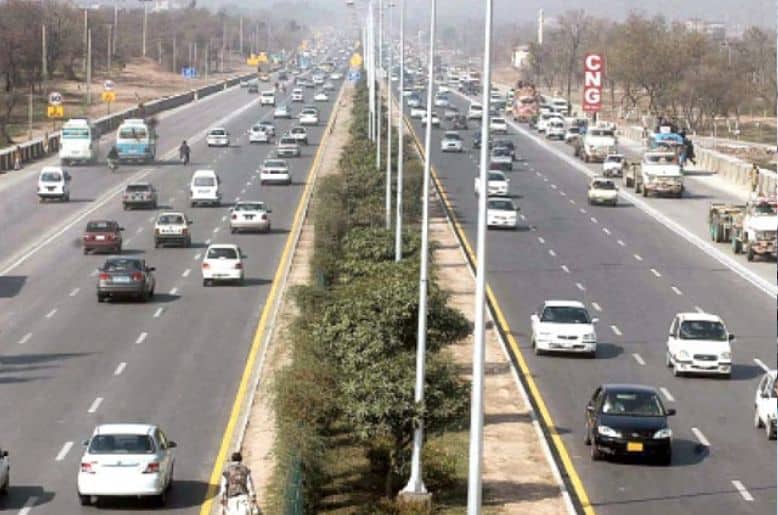
ISLAMABAD: The completion of Koral Interchange, one of the most important transportation projects in the Islamabad-Rawalpindi region, has eased chronic traffic congestion and improved connectivity between the twin cities.
Koral Interchange is located at a critical junction on the Islamabad Expressway. The interchange links major arteries, including Koral Chowk and routes that lead to Rawalpindi and the outskirts of Islamabad.
Koral Chowk was notorious for huge traffic jams before the construction of the Interchange. Accidents occurred frequently, which affected daily commuters, emergency services and commercial transport.
The pressure on the road network due to rapid urban expansion, development of new housing and increased vehicle ownership was increasing consistently, hence this project was initiated.
The Koral Interchange is a modern Interchange. It is signal-free, has multiple underpasses and flyovers, and allows traffic to flow smoothly without interruptions. Koral Interchange has significantly reduced travel time for thousands of daily commuters who pass through the area.
The Interchange did not just reduce congestion, but it also improved road safety. It eliminated traffic signals and conflicting traffic movements, greatly reducing the risk of accidents. The movement of pedestrians has also become safer due to better traffic management.
The Koral Interchange also had a positive economic impact on the surrounding areas. Improved accessibility increased the value of nearby residential and commercial developments. Smoother transport has facilitated daily business and trade activities.
The Interchange has also improved connectivity to Islamabad International Airport and key routes leading to Punjab.
In conclusion, the Interchange is a symbol of Islamabad’s evolving urban infrastructure. It also reflects the government’s efforts to accommodate future growth, modernise the transport system and improve the quality of life of commuters.
Also read: Islamabad: Traffic rush witnessed at major roads on New Year’s eve
