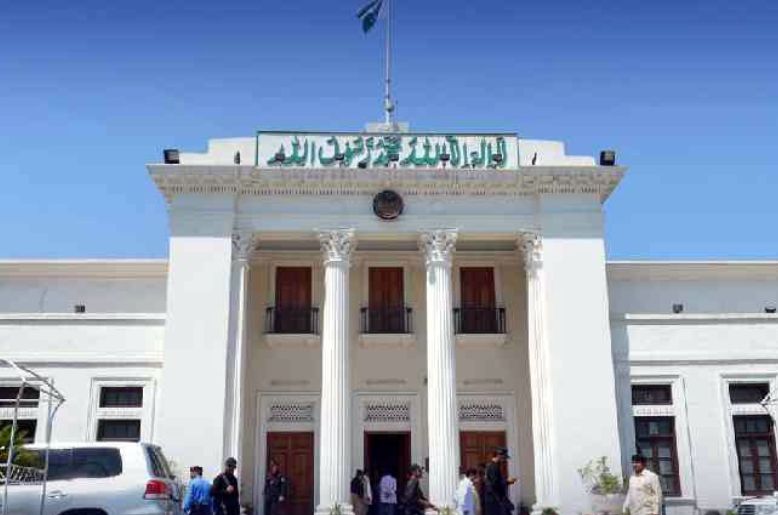
Amendments recently passed by the Khyber Pakhtunkhwa Assembly have raised questions about the separation of powers. The additional powers granted to assembly members through the legislation have sparked debate over the division of authority, potential political interference in administrative matters, and the privileges extended to lawmakers.
According to the information provided, Sections 8, 9, 11 and 13 of the amendments are under discussion. These provisions grant members of the Khyber Pakhtunkhwa Assembly various powers and privileges relating to the summoning of district officials, presiding over official meetings, prior permission for their arrest and the issuance of lifetime free passports.
Under Section 8, members of the Khyber Pakhtunkhwa Assembly can summon any district official within their constituency, and the official concerned is required to appear before them. Critics argue that the provision could allow lawmakers to directly intervene in administrative affairs and increase political pressure on the bureaucracy.
Section 9 states that an assembly member may preside over meetings of government departments, administrative bodies and autonomous institutions in their presence. However, the provision does not apply when the Governor or a minister is present. Critics say this raises questions about the division of responsibilities between the administration and elected representatives.
Under Section 11, police are required to obtain prior permission from the Speaker before arresting an assembly member. The Speaker may also initiate an inquiry before the submission of the challan, or formal charge sheet. The provision has been described as a special legal safeguard for assembly members in criminal proceedings and accountability matters.
Section 13 provides for a free lifetime passport for an assembly member and their spouse. The provision has also raised questions about the use of public resources and the privileges available to elected representatives.
According to critics, the amendments significantly expand the role of assembly members in matters involving the administration, law enforcement agencies and state resources. They argue that certain provisions warrant further debate over the separation of powers, administrative autonomy and the appropriate limits of legislative privileges.