
The World Meteorological Organisation says there is a 55 percent chance of La Niña from September to November, rising to about 60 percent from October to December, while global temperatures are still expected to stay above average.
What La Niña is and why a return now matters for the season ahead
La Niña is a natural climate pattern. It happens when sea surface temperatures in the equatorial Pacific cool and change winds, pressure, and rainfall patterns around the world.
The WMO notes that about 90 percent of excess heat from global warming is stored in the ocean, so ocean conditions drive much of our weather.
For late 2025, the agency sees little chance of El Niño and a 45 percent chance that neutral conditions continue.
Even with La Niña’s cooling touch, the world remains warmer than it used to be, with recent years among the hottest on record.
How a La Niña winter can affect Pakistan from mountains to plains
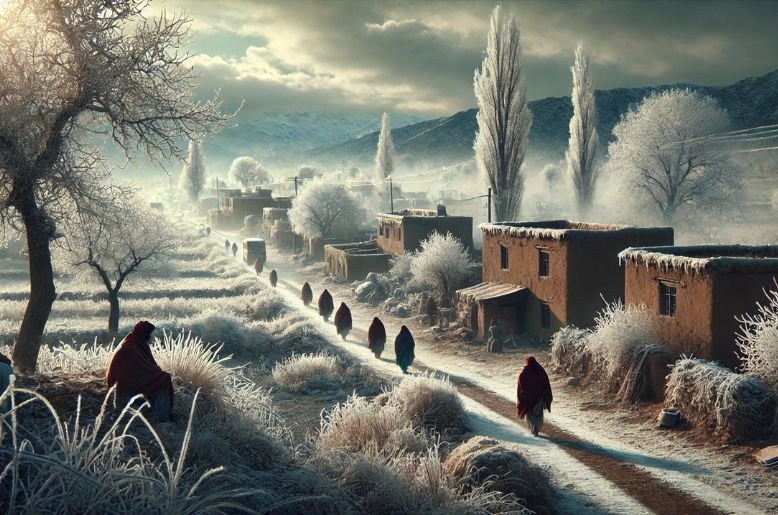
Historically, La Niña can bring cooler nights and more frequent western disturbances to northern and western Pakistan.
That often means increased winter rain in the plains and heavier snowfall in the hills of Khyber Pakhtunkhwa, Gilgit Baltistan, and Azad Jammu and Kashmir.
Meanwhile, parts of southern Pakistan can see drier spells, although cool nights are still common. However, climate change adds heat to the background.
So temperatures may still sit near or above the long term average even if La Niña develops.
Fog and smog risks in Punjab can persist when winds calm, and brief wet spells may trigger local flooding or landslides in hilly terrain.
What to expect and how to prepare for agriculture, energy, and public safety
Looking ahead, farmers can plan wheat sowing around expected wet windows and guard tender crops against frost in cooler valleys.
Hydropower producers may benefit if winter precipitation improves inflows, while gas and electricity demand can rise during cold snaps.
Cities should clear drains, watch low lying areas, and prepare for landslide prone slopes along highways.
Moreover, follow PMD and NDMA updates, keep warm layers and basic supplies ready, and use masks on poor air quality days to protect health.


