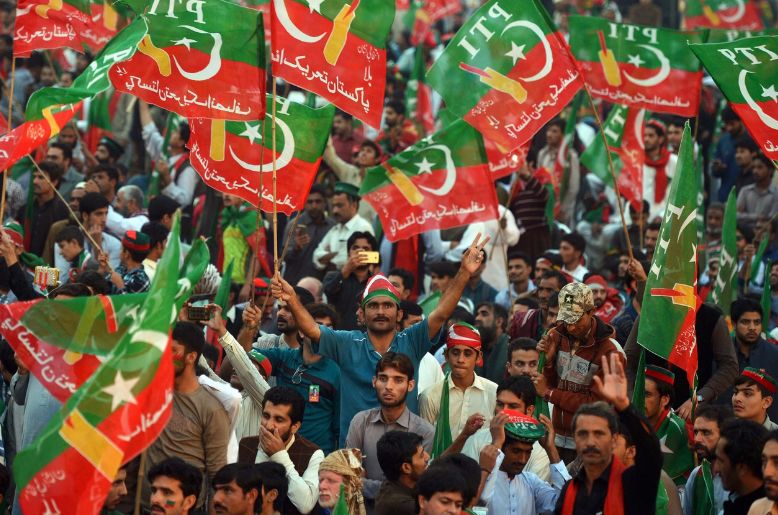
Pakistan Tehreek-e-Insaf (PTI) leaders in Khyber Pakhtunkhwa are facing criticism on social media following what critics have described as the failure of the party’s long march, with opponents accusing the provincial leadership of resorting to threats and aggressive rhetoric on X, formerly Twitter.
Social media users have claimed that concerns about the party’s political future and the possibility of losing power in the province have intensified tensions within its ranks. They have alleged that PTI leaders are using confrontational statements online instead of addressing the political challenges facing the party.
Critics have also accused the leadership of displaying arrogance despite what they describe as a decline in public support. However, claims about internal panic, the march’s failure and the party’s political standing have not been independently verified.
Long march setback and social media rhetoric
According to critics on social media, the long march failed to attract the public response expected by the party, leaving its leaders increasingly focused on online political messaging.
They have alleged that PTI leaders are issuing warnings and threats on social media in an attempt to maintain political momentum and defend their position amid growing criticism.
The critics further argue that the party’s online statements reflect an effort to protect its political image following the march. However, an independent assessment of the march’s participation and impact would be needed to establish the extent of the reported setback.
Authorities urged to address alleged threats
The controversy has also raised questions about alleged threats circulating on social media. The claims that state authorities and law enforcement agencies have taken formal notice of these statements could not be independently confirmed.
Critics have called for any threats to be examined under the law, arguing that political disagreements should not lead to intimidation or violations of public order.
They have also warned that political leaders and their supporters should exercise restraint in their public statements and online exchanges.
Political challenges in Khyber Pakhtunkhwa
The debate comes amid continuing political tensions in Khyber Pakhtunkhwa, where PTI’s provincial leadership remains at the centre of political discussion.
Critics maintain that the party’s response to political challenges will influence public perceptions of its leadership and future strategy. They have also argued that social media statements alone cannot substitute for public engagement and political mobilisation.
Whether the long march will have a lasting impact on PTI’s political position remains unclear. Claims regarding the party’s public support, the alleged threats and any official response require independent verification.
The episode once again highlights the role of social media in Pakistan’s political discourse, where online statements and political reactions can quickly intensify tensions between rival groups.
