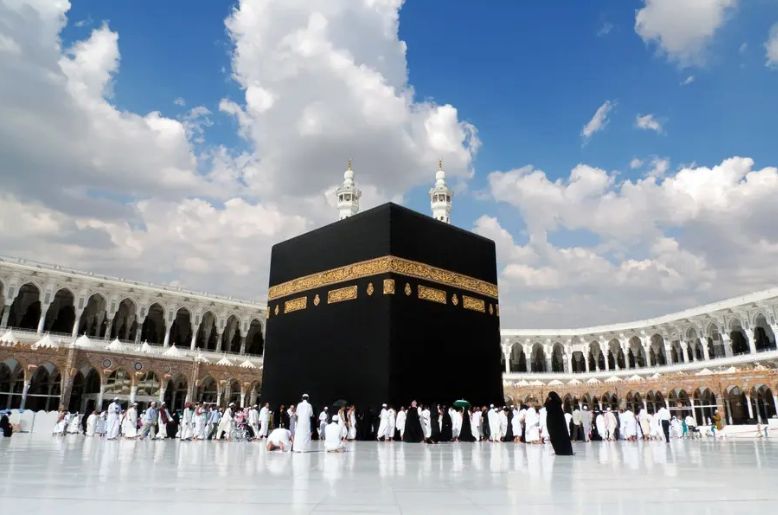
Saudi authorities have introduced new digital services for Umrah pilgrims, addressing a major concern by enabling visitors to access real-time crowd information for the Grand Mosque in Makkah and the Prophet’s Mosque in Madinah directly on their mobile phones.
The new digital facilities will allow pilgrims and worshippers to check crowd conditions at the two holy mosques and plan their visits accordingly.
Find the best time for Tawaf and Sa’i
Through the new digital service, visitors can access the latest crowd information for the area around the Holy Kaaba, where Tawaf is performed, as well as the route between Safa and Marwah used for Sa’i.
The facility will help pilgrims assess crowd levels before arriving at the mosques, enabling them to choose relatively less crowded times for performing their religious rituals.
More than 100,000 possible routes available
The new service also offers more than 100,000 possible routes, divided into over 17 categories. This will help visitors find suitable routes to reach different facilities and services according to their needs.
The digital platform features more than 650 QR codes, which pilgrims can scan to obtain instant information about relevant locations, facilities and available services.
The interactive map is also connected to more than six digital display screens installed across the two holy mosques, allowing visitors to view different locations and directions while on-site.
Special facilities for people with disabilities
The system also caters to people with special needs by identifying accessible locations and suitable routes for persons with disabilities. The initiative aims to make movement around the holy mosques easier and more convenient for them.
According to Saudi authorities, the technology-based initiative is part of broader efforts to improve the experience of Umrah pilgrims and worshippers, manage crowds more efficiently and facilitate movement within the two holy mosques.
The new digital facilities are expected to help visitors plan their religious activities more effectively, make better use of their time and navigate the holy sites with greater ease.