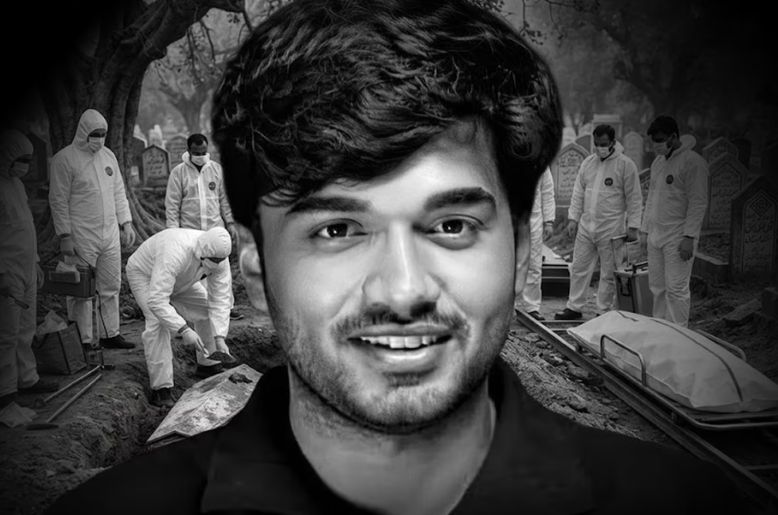
The judicial commission investigating the murder of Karachi businessman Mir Raza has raised serious questions about the police’s initial claim that he died by suicide.
The commission submitted its report to Sindh Chief Minister Syed Murad Ali Shah on October 15. The report has now been made public following a decision by the Sindh cabinet.
The report points to major gaps in the police investigation. It also highlights problems with the handling and protection of important evidence.
What did the report reveal about Mir Raza’s death?
According to the report’s executive summary, the final post-mortem report identified a gunshot wound to the back as the cause of death.
The commission also noted differences between the initial police claim of suicide and the medical evidence.
It said that a second post-mortem report prepared by Dr Usama Sheikh differed from the findings of the first report.
The commission said these differences must be examined through a thorough and independent investigation.
It also questioned the decision to share police conclusions with the media before the investigation was complete.
The report said this went against professional standards and increased public doubts about the case.
Why did the commission recommend a new investigation?
The commission recommended forming a joint investigation team (JIT) led by DIG Irfan Baloch to investigate the case further.
It proposed including representatives from the Inter-Services Intelligence (ISI), Intelligence Bureau (IB), Pakistan Rangers Sindh and the cybercrime agency in the team.
The report also recommended a high-level committee under the Federal Investigation Agency (FIA) to investigate the role of police officials. It called for departmental and criminal action against officers found responsible for wrongdoing.
The commission said a fair and transparent investigation was necessary to restore public trust. It also recommended examining possible blackmail or revenge as motives behind the killing.
What problems were found in the handling of evidence?
The report identified serious problems in the collection and protection of digital evidence.
Police reportedly recorded CCTV footage from several locations using mobile phones instead of collecting the original digital video recorder (DVR) recordings. The commission said this raised concerns about the reliability and proper handling of the evidence.
It also found gaps in the records showing how digital evidence was collected and transferred.
Questions were raised about the custody and forensic examination of Mir Raza’s mobile phone. The report also pointed to failures in preserving his Apple Watch, which affected the process of recovering its data.
The commission further noted that police had shared digital evidence with the media. It stressed that evidence must be handled properly to protect the investigation.
The report also recommended further checks of suspicious vehicles and people present at a guest house linked to the case.
Did the report question the role of police officers?
The commission criticised the supervision and leadership of DIG Amir Farooqi and DIG Farrukh Lanjar during the investigation.
It recommended a detailed inquiry into SHO Adeel Afzal and his temporary suspension. It also called for departmental action and temporary suspension of Sub-Inspector Shabbir Laghari.
For SHO Kamran Qureshi, the commission recommended departmental action and removal from his post.
The report also discussed Dr Usama Sheikh’s participation in a meeting at the Chief Minister’s House on August 9. He had attended at the request of the Additional Inspector General of Karachi.
This led to speculation that pressure may have been placed on the doctor. However, the commission said no evidence had been found to support that claim.
The report noted that the chief minister has the authority to receive briefings from senior police officers on important cases.
What did the commission say about the next steps?
The commission said the Mir Raza case requires a strict and impartial investigation because important evidence may not have been properly preserved.
It recommended examining all relevant medical and digital evidence and investigating possible misconduct by police officials.
The proposed JIT and the inquiry into police officers are intended to address the gaps identified in the report and help establish the facts surrounding Mir Raza’s death.
