
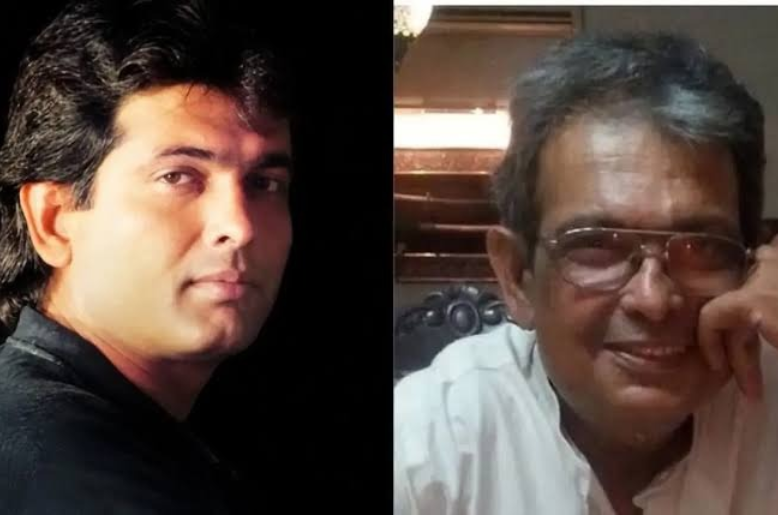
Pakistan’s music industry has lost one of its memorable voices from the golden era of pop music. Mohsin Raza Khan, popularly known as Bunny, passed away in Karachi on November 23, 2026, at the age of 74. His death brought back memories of the songs that once ruled Pakistani music television and radio. Bunny became a familiar name during the late 1980s and early 1990s. His famous song Dil Mein Tum made him popular among music lovers across Pakistan. His distinctive voice and romantic singing style helped him build a special place in the country’s pop music scene. However, his contribution went beyond singing popular songs. He also supported young musicians and provided opportunities for emerging artists. His journey reflects an important period in Pakistan’s musical history.
Who was Mohsin Raza Khan (Bunny)?
Mohsin Raza Khan was a Pakistani pop singer and musician widely recognised by his nickname, Bunny. He became famous for his romantic hit Dil Mein Tum, which remains closely connected with the country’s 1990s music era. His father gave him the nickname Bunny. According to a previous interview, the name was inspired by the popular cartoon character Bugs Bunny. The nickname stayed with him throughout his life and eventually became his professional identity. Bunny entered the music industry when Pakistani pop music was developing its own identity.
During this period, singers were introducing fresh sounds and experimenting with modern arrangements. He became one of the recognised voices of that changing music scene. His popularity also increased through television programmes that introduced pop singers to wider audiences. Unlike artists who became famous through frequent television appearances, Bunny remained particularly associated with his memorable songs. His music continued to remind listeners of an important period in Pakistan’s entertainment industry.
How Bunny started his Music career
Bunny developed an interest in music during his early years. He did not receive formal musical training. Instead, he followed his passion and learned through practical experience. He began his professional music journey in 1973 by joining a band in Lahore. Initially, he performed as a guitarist and vocalist. He also worked at different hotels and entertainment venues. These early performances helped him understand live music and develop his musical abilities. He gradually gained experience as a performer and musician.
Later, Bunny travelled to Europe, where he performed in countries including Germany and Italy. He worked with different musicians and performed at clubs and other venues. His international experience exposed him to different musical styles. It also helped him understand how musicians could combine various instruments and sounds. Bunny eventually returned to Pakistan in 1988. He then started working on music that would change his career. That project became his famous song Dil Mein Tum.
The success of Dil Mein Tum
Dil Mein Tum became the biggest milestone in Bunny’s music career. Released in November 1989, the song quickly gained popularity among Pakistani listeners. The song featured a romantic melody, an energetic rhythm, and a prominent bass guitar sound. Bunny’s distinctive voice gave the track its own identity. Interestingly, Bunny had already developed the musical idea before finding the right lyrics. He approached lyricist Master Manzoor to write words that matched his composition. The recording took place at Shadab Sounds in Karachi. Musician Arshad Mahmood also helped refine the arrangement.
EMI Pakistan released the song as part of Bunny’s debut album. The song became popular because it connected with listeners through its melody and romantic theme. It also helped Bunny reach audiences who were becoming interested in modern Pakistani pop music. Its success demonstrated how a strong composition and a memorable voice could create a lasting musical identity. Even decades later, many listeners continue to associate Bunny with this particular song. It remains the most recognised work of his career.
Bunny’s rise during Pakistan’s Golden Era of Pop Music
The late 1980s and 1990s were important years for Pakistani pop music. Several singers and musicians introduced new sounds to the local entertainment industry. Television played a major role in this growth. Music programmes gave singers a platform to reach audiences beyond live performances and album releases. Bunny became a regular feature in pop music programmes. One notable platform was Music Channel Charts, which helped introduce popular songs and performers to television audiences.
His popularity grew alongside other recognised Pakistani musicians. Listeners were becoming more interested in romantic pop songs, modern arrangements, and music videos. Bunny’s success also reflected a wider change in Pakistani entertainment. Pop music was gaining a stronger position among younger audiences. His voice and musical style helped him stand out during this period. Although many singers released successful songs, Dil Mein Tum gave Bunny a lasting identity. His journey shows how one memorable song can connect an artist with an entire generation.
Bunny’s other popular songs and musical work
Although Dil Mein Tum remained his biggest hit, Bunny also released other songs that attracted listeners.
Some of his other recognised songs include:
- Nasheeli: Another song associated with his romantic pop style.
- Deewane: A popular release that added to his musical identity.
- Raasta Naya: A title track with a motivational message for young people.
- Hum Bhi Jeetain Hain Aur Kamyaab Hain: A song recorded for the 1996 Atlanta Olympics.
These songs show that Bunny’s musical interests were not limited to romantic music. He also explored motivational themes and different musical arrangements. His work reflected the variety of Pakistani pop music during the 1990s. While Dil Mein Tum remained his signature track, his other releases helped maintain his presence among music lovers.
How Roxen and Mustafa Zahid revived Dil Mein Tum
Bunny’s famous song received renewed attention in 2011. Lahore-based rock band Roxen collaborated with vocalist Mustafa Zahid to create a rock version of Dil Mein Tum. The new version introduced the classic song to a younger generation. It also connected two different periods of Pakistani music. Older listeners already knew the original track. Younger audiences became familiar with its melody through the rock arrangement.
This revival was important for Bunny’s musical legacy. It showed that a well-composed song could remain relevant even after many years. The collaboration also demonstrated the value of preserving older Pakistani music. Artists can introduce classic songs to new audiences without removing their original identity. For Bunny, the renewed attention brought another opportunity for listeners to remember his contribution to Pakistani pop music.
Bunny’s contribution to young Pakistani Musicians
Bunny’s contribution to Pakistan’s music industry extended beyond his own recordings. He also helped young musicians develop their skills. In 1996, he established a recording studio on Tariq Road in Karachi. The studio became a useful place for emerging artists who wanted to practise and record music. He allowed several young musicians to use the facilities without charging them. This support helped artists who were still developing their careers. Members of the Pakistani band Mizmaar were among those who benefited from his encouragement. Musicians Imran Momina and Shalom Xavier were also associated with the support provided through his studio.
This part of Bunny’s career deserves special attention. The music industry needs more than talented singers. It also needs people who support new artists and help them find opportunities. Recording equipment, studio time, and professional guidance can be expensive for beginners. Bunny understood the importance of providing access to these resources. His studio therefore represented another side of his musical contribution. He was not only interested in creating his own songs. He also helped other musicians develop their abilities. This support became an important part of his legacy.
Bunny’s personal life and health challenges
Bunny generally maintained a private personal life. His public identity remained closely connected with his music and performances. He also faced serious health challenges during his later years. Reports stated that he had been diagnosed with tongue cancer around 30 years ago. His illness affected his health over an extended period. He gradually became less visible in mainstream entertainment and made fewer public appearances. However, he continued to be remembered by fans who grew up listening to his songs. His long absence from the spotlight did not remove his place in Pakistani music history. His recordings continued to connect with listeners who remembered the golden period of local pop music. Bunny’s journey also highlights the health challenges faced by artists in Pakistan’s entertainment industry. Another heartbreaking story involves a Pakistani singer diagnosed with stage 4 cancer, bringing attention to the struggles artists face beyond the spotlight.
Mohsin Raza Khan (Bunny) Dies at 74 in Karachi
Pakistan’s entertainment industry received sad news on November 23, 2026, when Mohsin Raza Khan passed away in Karachi at the age of 74. According to reports, Bunny died early Monday morning before Fajr prayers. His close friend Dr Shafqat Ali confirmed the news to The Express Tribune. He was taken to Jinnah Hospital in Karachi, where doctors declared him dead on arrival. Actor Khaled Anam also shared the news through a social media post.
He remembered Bunny as a dear friend and a wonderful musician and singer. His death brought sadness to fans and people associated with Pakistan’s entertainment industry. Reports also highlighted his wish to be buried beside his father at Gizri cemetery in Karachi. His son, Chengiz, who lives in London, was informed about his father’s passing. Bunny’s death marked the end of a musical journey that began in Lahore in 1973 and reached national recognition through his memorable songs.
Why Bunny’s music still matters today
Bunny’s musical legacy deserves attention for several reasons. His career represents an important stage in the development of Pakistani pop music. First, his song Dil Mein Tum became a memorable part of the country’s musical culture. It connected with listeners through its melody, romantic lyrics, and distinctive sound. Second, his career showed the importance of musical identity. Bunny developed a recognisable style instead of simply following changing trends. Third, his support for young musicians added another dimension to his contribution. His recording studio gave emerging artists a place to develop their talent.
His music also demonstrates how older songs can remain relevant across generations. The 2011 rock version of Dil Mein Tum is a strong example. For older listeners, the song brings back memories of television music programmes and the pop culture of the 1990s. For younger listeners, it offers a connection to an earlier period of Pakistani music. This is what makes Bunny’s story important. His contribution was not limited to one successful release. It included years of musical experience, creative work, and support for other artists.
The Lasting Legacy of Pakistan’s 90s Pop Icon
Mohsin Raza Khan will be remembered as one of the recognisable voices of Pakistan’s golden era of pop music. His journey from performing with a band in Lahore to becoming nationally recognised shows his dedication to music. His experiences in Europe also added to his development as a musician. Although Dil Mein Tum became his biggest achievement, his other songs and support for emerging artists also deserve recognition. His story reminds us that an artist’s contribution cannot be measured only through hit songs or public appearances. The opportunities an artist creates for others can also shape an industry. Bunny leaves behind music that connects different generations of Pakistani listeners. His songs will continue to remind fans of a period when Pakistani pop music was finding new sounds and reaching wider audiences. His voice may no longer be heard in new performances, but his musical contribution remains part of Pakistan’s entertainment history.
FAQ
Q. Who was Mohsin Raza Khan (Bunny)?
Mohsin Raza Khan, popularly known as Bunny, was a Pakistani pop singer and musician. He became famous through his hit song Dil Mein Tum during the late 1980s.
Q. What was Bunny’s most famous song?
His most famous song was Dil Mein Tum. Released in 1989, it became a major hit and established his identity in Pakistan’s pop music industry.
Q. When did Mohsin Raza Khan (Bunny) die?
Bunny passed away in Karachi on November 23, 2026, at the age of 74.
Q. What were Bunny’s other popular songs?
Some of his other recognised songs included Nasheeli, Deewane, and Raasta Naya. He also recorded Hum Bhi Jeetain Hain Aur Kamyaab Hain for the 1996 Atlanta Olympics.
Q. How did Bunny support young musicians?
Bunny established a recording studio on Tariq Road in Karachi in 1996. He allowed emerging musicians to use its facilities and supported young artists, including members of Mizmaar.