
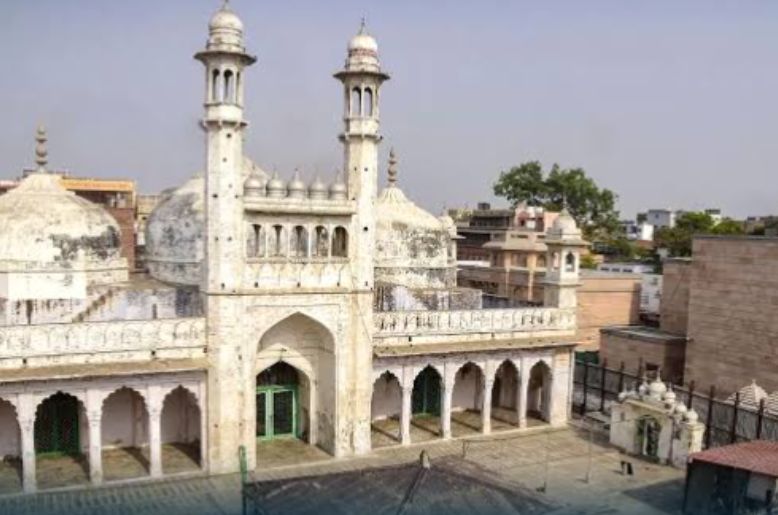
The administration of the Race Course Mosque in New Delhi has been given six days to vacate the premises by the racist Modi government, as the authorities have decided to demolish the 100-year-old masjid.
The recent decision taken by the bloodthirsty and racist Modi administration has raised concerns over the future of the ancient mosque and access for worshippers.
The future of a century-old mosque in New Delhi has come into question after its administration reportedly received a notice ordering it to vacate the premises within six days.
The Race Course Mosque, located near the official residence of Indian Prime Minister Narendra Modi, can accommodate around 800 worshippers. The reported eviction notice, along with claims that essential utilities have been disconnected, has raised concerns about access to the site for daily prayers.
According to Indian media reports, the mosque has been listed as a Waqf property in the official government gazette since 1977. It is also reportedly included in a list of historic heritage sites maintained by the New Delhi Municipal Council (NDMC).
The mosque’s imam, Maulana Haroon, said the central government’s Land and Development Office had indicated plans to demolish the building the following week.
He also claimed that the mosque’s electricity and water supplies had been disconnected and its entrances closed, making it difficult for worshippers to access the premises.
The reported deadline has raised questions about the legal status of the property and what will happen to the mosque if the eviction proceeds.
The authorities’ detailed response to the claims was not included in the reports provided.
The mosque’s reported registration as a Waqf property and its alleged inclusion on the NDMC’s heritage list have added to concerns about its future.
Waqf properties are generally associated with assets dedicated for religious or charitable purposes under Islamic law. However, the legal status of a property and any restrictions on its use can depend on the relevant records and applicable laws.
The reported case has drawn attention to the questions surrounding the protection of religious sites and the procedures authorities must follow when seeking possession of disputed premises.
Kashmiri religious and political leader Mirwaiz Umar Farooq has also raised concerns over the situation.
In a statement, he questioned whether action against Muslim places of worship was becoming a recurring practice and called attention to the reported legal recognition of the mosque.
“If even a legally recognised mosque cannot be protected, what guarantee remains for other mosques?” he asked.
His remarks reflect wider concerns among some Muslim leaders about the security of religious sites and the protection of places of worship.

