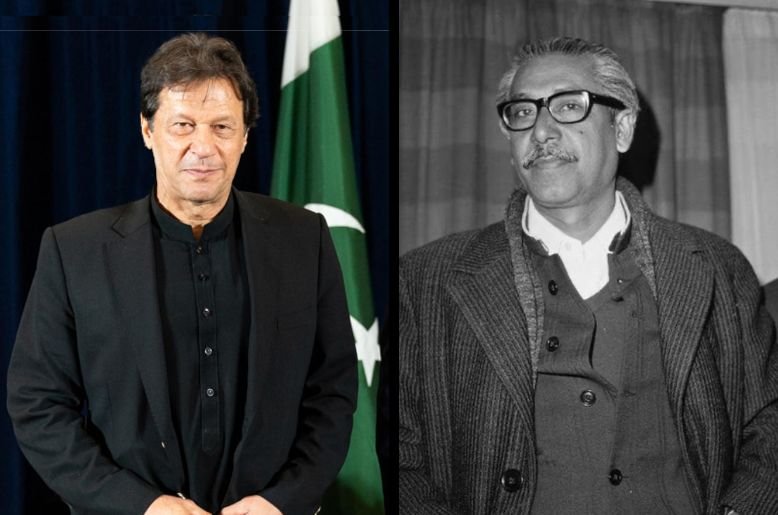
Web desk: Key political developments in South Asia, from the pre-1971 period and post-Sheikh Hasina Bangladesh to recent unrest in Pakistan, show patterns of leadership influence, public mobilisation and similarities between Mujib ur Rehman and Imran Khan, observers suggest. They also highlight challenges to the state institutions.
Additionally, analysts have drawn comparisons between Sheikh Mujibur Rehman and Imran Khan.
Two-Nation Theory and 1971
During the pre-1971 period, the Awami League portrayed West Pakistan as oppressive.
While India quietly promoted Bengali nationalism through covert channels.
Sources say that Mukti Bahini fighters were trained in India and operated through organised supply routes.
Regarding Sheikh Mujibur Rehman, observers say that his rallies openly defied the state.
The student mobs enforced shutdowns, blockades disrupted administration, and India coordinated the rebellion plan.
Pakistan and Bangladesh relations
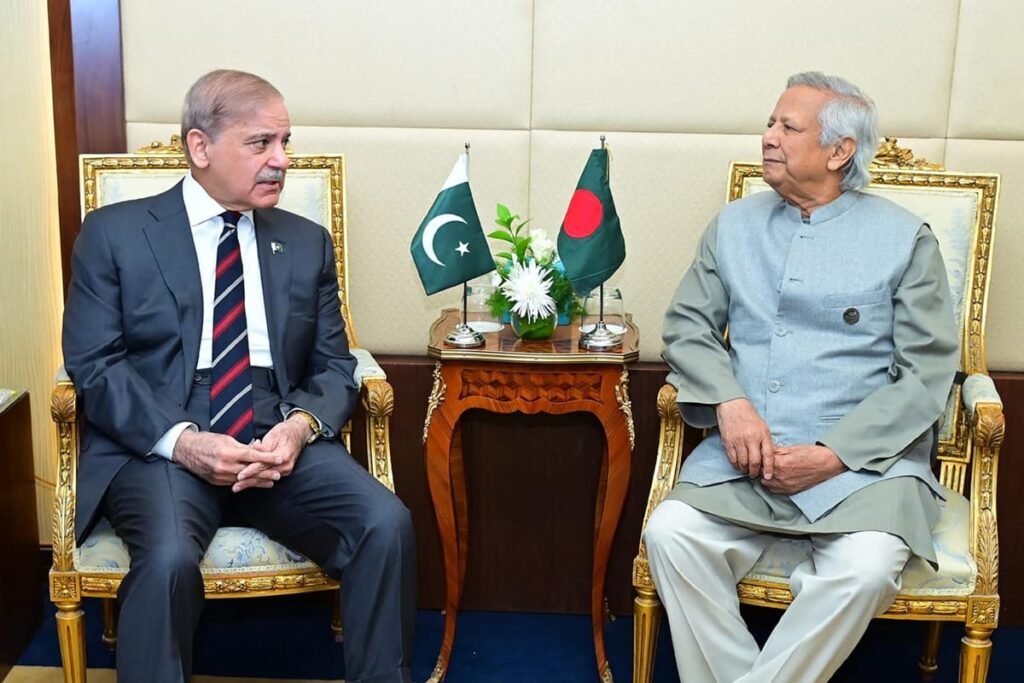
Observers highlight improving ties between Pakistan and Bangladesh after years of mistrust.
They highlight the reopening of sea routes, restoration of trade and flights, and increasing exchanges between military and official delegations.
Post-Hasina period
According to analysts, the post-Sheikh Hasina period describes decades of dynasty-based rule where institutions were dominated by the Mujib-Hasina family.
They say the opposition was sidelined, war crimes trials were used politically, bureaucracy was filled with loyalists, and state media promoted her image.

Human rights concerns
Analysts further say that enforced disappearances became common, journalists were detained under cyber laws, and the Rapid Action Battalion was used against protesters.
Additionally, political detainees were denied fair legal processes.
August 5, 2024
Crowds overran security in Dhaka, and government offices and police posts were abandoned.
Sheikh Hasina fled through an emergency corridor to India when the government collapsed on August 5, 2024.
However, India refused extradition. It kept her movement secret, portrayed her as a victim through the media, and openly defended her.
It led to visible strain in Delhi-Dhaka relations, according to the analysts.
🚨 Bangladeshi PM Sheikh Hasina fleeing the country.#QuotaReform #QuotaProtest #StepDownHasina #Bangladesh #SaveBangladeshiStudents #Dhaka #QuotaReformMovement #Bangladesh pic.twitter.com/gVL0AyTyZ7
— DOAM (@doamuslims) August 5, 2024
Restoration
The sea routes were reopened after one year, and direct flights were restored. Dialogue through delegations resumed, and military and official visits increased.
Mujib ur Rehman vs Imran Khan
Some analysts have drawn a comparison between Sheikh Mujibur Rehman and Imran Khan, describing them as “two sides of the same coin.”
It states that Mukti Bahini functioned as Mujib’s armed wing. It was supported by fiery speeches and Indian coordination during crisis periods.
In comparison, Imran Khan created the Tiger Force for street power.
Online spaces had radicalised followers, and the state institutions were targeted.
Rallies were used to pressure courts, observers note. And institutions were portrayed as enemies.
Observers describe Mukti Bahini actions as sabotage and ambushes linked to conventional warfare objectives.
While Tiger Force activities can be described as organised riots combined with social media propaganda, digital mobilisation, and psychological warfare.
Analysts say both movements attempted to delegitimise the state and produced similar scenes of fires, mobs, and chaos.
Key events
Analysts highlight Imran Khan’s November 2014 jalsa, May 9, 2023, and November 26, 2024.
They point out that the mobs attacked military sites, vandalised national symbols, torched government assets, and attempted to disrupt security operations.
CCTV and drone footage have shown the scale of these events.

Conclusion
Analysts say that in both cases, personality cults replaced institutions, and violence was used as a political tool. They add that the nations suffered long-term trauma.
It can be described as a repeated cycle of incitement, destruction, and denial, with leaders pushing followers toward confrontation.